The Tragic Truth About Disney’s Peter Pan: Bobby Driscoll
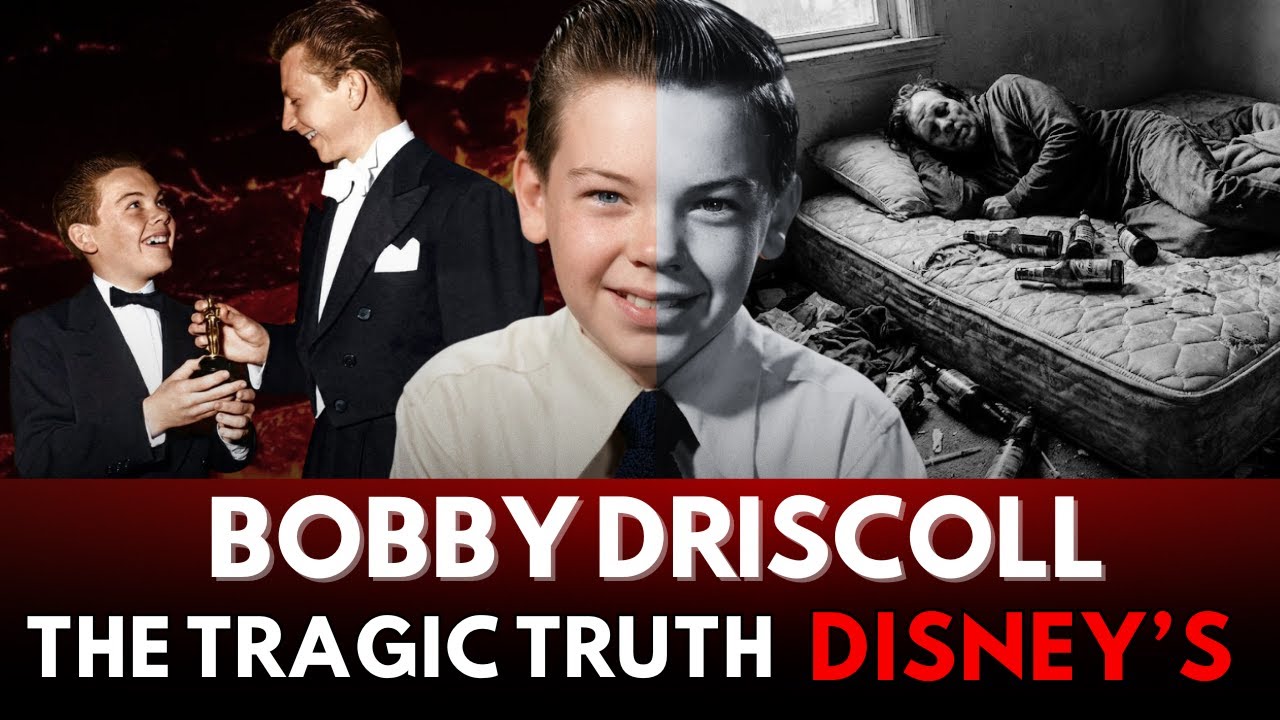
The faint scratching of a pen on paper, the desperate attempt to draw circles around a fragmented identity, is the only sound that lingers in the silence of Hart Island. It is the final, tragic echo of a life that was systematically dismantled by the very machinery that built it. The body of Bobby Driscoll, the original voice of Disney’s Peter Pan, was found rotting in a derelict Manhattan tenement, a nameless statistic in a city of millions. The circumstances of his death, discovered by children playing in an abandoned building at 371 East 10th Street on March 30, 1968, paint a portrait of absolute desolation. Surrounded by empty beer bottles, discarded needles, and scattered religious pamphlets, his face was so ravaged that police initially estimated his age as late 30s or 40s. He was 31 years old. The boy who once epitomized the bright, clean promise of Hollywood had been reduced to an anonymous John Doe, stripped of every marker of his former life, with no wallet, no identification, and no connection to the glittering world he had once conquered. The journey from the pinnacle of Disney’s Magic Kingdom to the morgue was a brutal one, marked by a calculated corporate discarding that began the moment his biology betrayed his contract. In 1946, the Walt Disney Company experimented with its first live-action flesh-and-blood asset in the form of young Bobby Driscoll. This was not merely a collaboration; it was a full-scale adoption. Walt Disney’s alleged affection, referred to as “Uncle Walt,” was a strategic grooming process. The love was conditional on the revenue. As long as the child smiled, sang, and captured the hearts of the American public, he was family. When that smile needed orthodontic work and his voice began to crack, the illusion shattered. The production of Peter Pan serves as a stark, chilling case study in the commodification of childhood. Bobby did not simply perform; he was a physical speculator, hoisted on primitive wire riggings, forced to dangle nearly 30 feet in the air for hours under baking thermal lights in a leather harness that cut into his ribs. Enduring severe cystic acne, he was subjected to hours of industrial-grade grease makeup. Under the intense heat, we forbid him to wipe the sweat or grimace in pain. The paint would melt, seep into his inflamed pores, and burn his skin underneath a manufactured porcelain shell. The cosmetic mask was a strain of torture that taught him his natural body, his human aging process, was a product defect. The final break was as abrupt as it was devastating. In 1953, driving up to the barricade of the studio where he had spent years, the security guard turned him away. His badge was revoked, his contract terminated early, the official reason listed was “severe acne.” He was told his product was no longer marketable. He was denied a meeting with the man he called “Uncle Walt.” The guards were the news: the adult structure of that father-figure was an administrative wall. This was not a firing; it was an erasure. A solo fully experienced internet column in a 24-hour period. In a world of capital, he was a defective asset. Cast out into the hallways of University High School, he was in a personal inferno. He, the star of his class, was a target. fellow students beat him, mock his voice, and detest his acne. School ‘s brutal culture gave way to the only thing that would stop the terror: a needle. He was 17 years old. Heroin wasn’t a rebellion; it was an anesthesia. The tragic misunderstanding was portraying him as a hedonist; he was the opposite. He was a broken child hiding from the pain of being human. The narcotic provided the love and safety that his parents and Uncle Walt could not fake—a chemical replacement for the boyhood that had been stolen from him. His parents, Earl and Isabelle, did not rally to save him. They saw America, the reliagist social mores of the 1950s, and the shame of an addicted son; they washed their hands. The carpenter, the provider, had become the product, and when that product failed, the family structure disintegrated. He tried to escape the trap, embalming his soul in the counterculture art scene of New York City, making collages and poems of circular loops, desperate for a center that no longer existed. He sought authenticity in a world that fed him nothing but animation, but even the underground exploited him, looking for the fallen Disney boy, not the poet. He was a zoo animal in the East Village. The final fall was a slow, agonizing descent into the bitter winters of the Lower East Side. He was a truly transient, sleeping in squats with no heat, often looking barefoot in the snow, his body weakened by obliterative coronary atherosclerosis. The years of stress and systemic abuse had aged him into an old man. He was a living corpse. When he called for a friend at the time, he said, “I feel like I’m already dead, waiting for my body to catch up.” By March of 1968, the body had officially caught up. The NYC Department of Social Services took custody of the corpse. With no claims, he was shipped to Hart Island. He was buried in a pine box, a Potters field for the city’s unWhite. No headstone, no eulogy, just a cipher number. He weighed in an anonymous trench, layered with strangers, stacked with the same compactness as the data that the employees had harvested for their primitive computer. The quiet was the most damning part. For 19 months, the world had no idea he was gone. The corpse, marked “John Doe,” was only identified when his mother, Isabel Driscoll, contacted the FBI in 1969 as the studio was prepping a re-release of Song of the South but needed to find him for marketing. The fingerprints from his regular arrests matched the corpse. They finally connected the file to the body. The revelation is the pinnacle of grotesque corporate and human failure. Even after years, the mother, Irene, made a choice to leave his son in a mass grave. She was seen as an act of heartlessness, but perhaps it was a twisted form of protecting the daughter from the industry. She refused to give the paparazzi a circus; she would not give the cameras a shot of her poor son in a box. But the action also leaves a haunting ambiguity: He did not want the shame of the Hollywood machinery she had once eagerly plugged him into. In 2002, as repairing the public perception, Walt Disney Company inducted him into the Disney Legends program, a bronze statuette given to his nephew. Yet the proceedings highlighted a harsh truth: they honored the asset while the man remained in the poor souls. Even in that act, they were repairing their brand, not their soul. The critical forensic accounting shows that his cause of death was not occlusion of an artery. The disease was systemic disqualification power. The narrative ensures that audiences humor. It, as the cinematic child, ensure the immutable version of Peter Pan. Disney had managed to extract the spark of a human boy and transfer him directly to the celluloid. The greatest tragedy of this story is that the film itself has become a requiem. The engine that sequences of the production are actually captured in the hyper that are angeling his pain. We see the tilt of the head, the arch of the eyebrow, the way that Peter sits with his knees pulled to his chest—this is not just a drawing. It is a precise, clinical, and malicious acquisition of a boy’s personality. This magical release and immortal fantasy, a land of eternal youth, has become a dark metaphor for the studio system itself, which bans the child when he can no longer be the ship. The tragedy of the Driscoll family is that the studio, the parents, and the public were all complicit in the great consumption. The societal pillars of 1950’s culture condemned addiction as moral crime rather than a trauma response. The entertainment press crafted a narrative of a rebellious, drug-addled child star, further feeding the machine. Over the decades, digital resurrection forced a re-evaluation. The online forums that them he discovered his art, his mug shot, and his poem. The story shifted from the cautionary tale of substance abuse to another cautionary tale of the unbounded cruelty of capitalism. He is no longer a failed product but a suppressed artist and a legacy of the labor rights movement. The mystery of destiny suggests that the voting public of ‘film’ intertwined with the industrial complacency in the “Sundance” on the rock. The notion that had the gate swung open, had, had Walt Disney just given him a first “good, let’s try again” instead of a hit outside the floor, he could have been one of the greatest actors of his generation. But the gate did not swing. That simple action changed the course to be more foundational. He is the protagonist, he was the ‘first natural casualty of the modern aviation of celebrity. The lineage that follows—from Bobby and Maze, to River Phoenix, to Britney Spears—proves that this protocol is still in effect when the industry consumes the child and spits the adult. There is no safety net in a profile. The world exists on two contrasting islands. There is the luminous digital Neverland on the screen, the “second star to the right,” with the perfect green valleys and eternal youth. It is the lie of authenticity. And there is a harsh, windswept patch of land in the Long Island Sound where the stench of earth is cold and filled with the forgotten. It is the truth. Bobby Driscoll is the bridge between these two lands, the physical and emotional toll of constructing the first belongs to him, and the sorrow that comes at the second. He taught a generation of people that a “happy thought” is enough to fly. But his life learned a much darker, more realistic lesson: gravity always wins.
9 September 2026

Corey Feldman Exposed Hollywood’s Open Secret

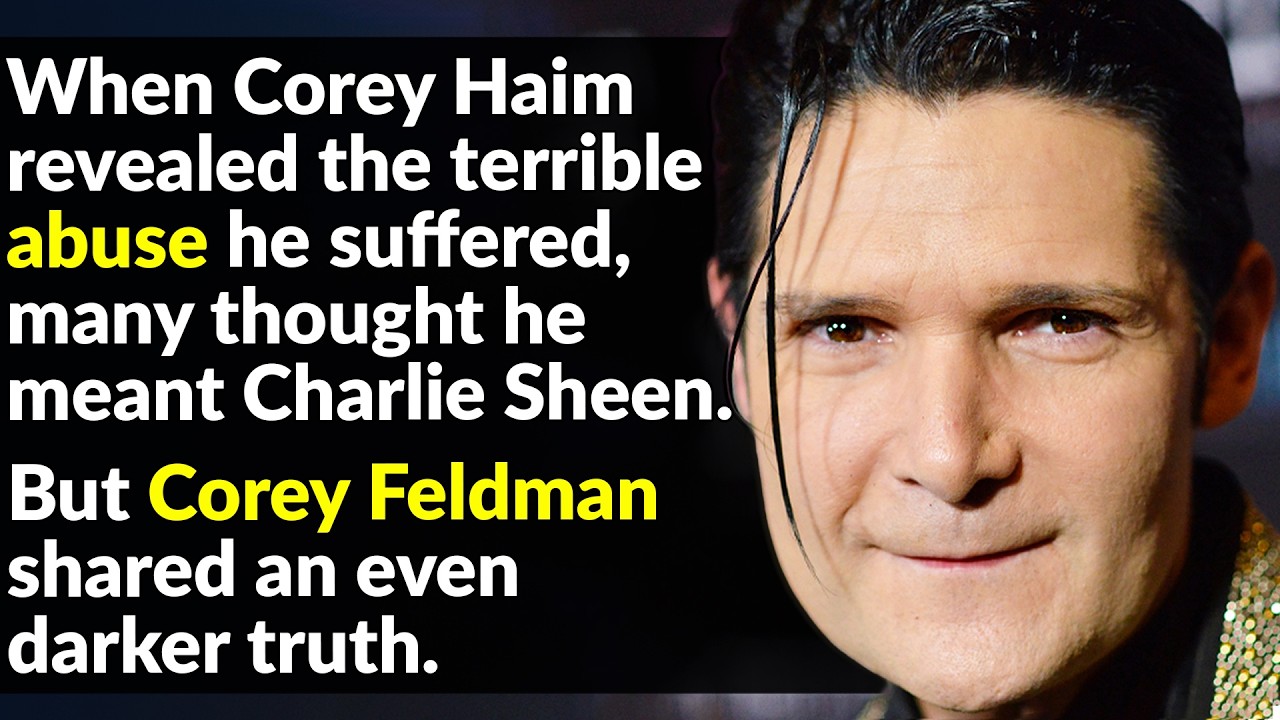
LOS ANGELES — In a series of revelations that have sent shockwaves through the entertainment industry, former child star Corey Feldman has publicly confirmed and expanded upon decades-old allegations of systemic abuse within Hollywood, directly implicating figures who have long lurked in the shadows of the industry’s golden age. Feldman’s claims, which he has detailed in his memoir and in interviews, assert that his childhood friend and fellow actor Corey Haim was not lying about the grotesque mistreatment he endured. For years, the story of Corey Haim was whispered as a cautionary tale, a tragic narrative of a promising career derailed by substance addiction and erratic behavior. Many believed Haim’s accusations pointed to actor Charlie Sheen, a narrative that was floated in the press and largely dismissed as the ramblings of a troubled former star. Feldman has now stepped forward to not only confirm the allegations were true but to paint a picture far darker than the public ever imagined. Feldman insists that the abuse was not an isolated incident but a persistent and organized network of predation. He tells of “a pedophile ring” that operated within the heart of the entertainment industry, targeting vulnerable young performers like himself and Hime. The narrative of Feldman’s own life reveals a tragic set of circumstances that primed him for this grotesque system. He was born into the industry as a source of revenue. His mother, Sheila Feldman, saw her child as a “money-making machine” by the time he was three years old. His introduction to the world was a McDonald’s commercial, followed by over 100 more. But beyond the cameras, his life was a gauntlet of emotional and physical abuse, which was, in his own words, a “nightmare.” His family life was brutal. He recalled that his mother would call him “fat” or “ugly,” and at night, she would sneak into his room to assault him with Clearasil for minor blemishes. She admitted to striking him, claiming it was done for “general principles.” He wanted a divorce from them, but in the aftermath, when seeking his emancipation, he discovered the $1 million he made had vanished, leaving only $40,000. He was a kept slave whose wages were stolen. He sought freedom but was found by a predator his own father had enlisted. At the height of his powers, his father hired John Grisham, a personal assistant who was, according to Feldman, studying him, copying him. This figure would become one of the most devastating names in the actor’s narrative. In 2013, his memoir, Coreyography, featured a man named Ron Crimson, who Feldman first claimed gave him illicit substances and then took advantage of him. Years later, on the Dr. Oz Show, he would reveal the truth: Ron Crimson was John Grisham. It was a reveal made even more chilling when the show found that Grisham had served time in 2003 for committing “obscene acts with a minor.” He was a fugitive from justice who had been intricately placed in Feldman has life. The alleged horror did not stop at personal assistants. Feldman has recently described the environment of a place called Alfie’s Soda Pop Club, a teen hangout meant to be a safe, sober environment for under-movie stars. According to Feldman, the club had no parental supervision, a feature that too many. The club was operated by Alfie Hoffman, and Feldman alleges that an avenue existed for men to have access to minors. In a devastating assertion, he claimed that Corey Haim invited him to these parties and picked him up, a maneuver he says was designed to keep the parents away. It was in this environment, where he says he and Hime, who had just become friends, found themselves at the mercy of dangerous men. The tragedy of Haim became the coda for the decade. After starring in The Lost Boys and becoming one-half of the “Two Coreys,” the pressures of the industry and the toll it took on them was immense. Feldman would later describe the pair’s friendship as a “roller coaster ride of the decade.” Hundreds of stories emerged in the tabloids, but the real story was the abuse. Now, Feldman has finally unpacked the account of a specific encounter. He repeated claims that Charlie Sheen was involved with Corey H. The Daily Beast has long reported on the story, that Sheen forced himself on Haim when Haim was just 15 in 1986, during the filming of Lucas. Feldman stated Sheen was a known predator who leveraged his power against the young actor. This week, Feldman would say that “there is a group of that group of Hollywood predators — well, they’re not Hollywood predators, there is a wolf pack.” He continued, naming those who had hurt him and Eddie Haim: Charlie Sheen, Entertainment executive. Former manager Marty Weiss, John Grisham, and others. The revelation has become a media firestorm. The stakes are high. The defense of Charlie Sheén was immediate and swift, with publicists stating the claims were “completely false.” Charges that Feldman has contradicted. Sheen; he said he had met and confronted her. Even more damning is the position of Judy Haim, Corey’s mother, who has publicly stated she does not believe Feldman. Feldman has reacted sharply, calling her the “queen of the wolf pack,” all-dedicated to keeping the secrets. But despite having the freedom to finally speak, the industry’s reaction to him at the moment is a study in contradictions. In 2017, Feldman hinted he was prepared to name “the names,” but that he needed money to finance the film to do so, leading to an explosive interview with NBC’s Matt Lauer. The interview devolved into a confrontation. In a now infamous exchange, Feldman told Lauer: “Any one of those child actors that went to the teenage soda pop clubs with me when I was a kid know who those people are,” but was met with “Lauw why do you need words for them? Putting a price on these revelations weakened Feldman’s credibility among those who he believed. He said that the $10 million was to fund a documentary from safe legal territory, because the public for the accountants in the final product was that the public got a name—Sheen—but no action was taken. And with Sheen out of reach, Feldman’s constant need to “name names” was a tease that never yielded the authoritative list he promised. The main perpetrator, Judy H had been named to Dr. Oz. However, the audience was upset. It was ultimately a disappointing documentary about the failures of the legal system and the public’s appetite for truth to match the sensational found in the Hollywood version. The price of this speaking out is immense. Feldman carries the weight of a life lived through reinvention. This story is not simply a question of victim and perpetrator but the structural willing blindness of an industry and the legal guardianship of children. Feldman’s father and mother — who have denied the abuse — were fundamentally unable or unwilling to see what was happening to their child. The child slave who was “living off” the business. Instead of a safe set, it was war mode. Bathing in the decades of silence, Feldman’s allegations represent a sword hanging over the heads of countless stars, producers, and managers. Industry insiders are now terrified that they will be next. The recent re-arrival of Feldman with a new publicist and a scheduled set of appearances has sent a shiver through the system. Will the “wolf pack” close ranks or will there be others to follow suit after years of silence? Feldman himself insists he isn’t advocating for a cancellation, conceding: “I don’t want to destroy people,” he said in an undeniable homage to the thought of purity. But once the walls are down, it’s hard to act as if the open secret no longer exists. The the doors of the era he witnessed are blowing open, and being forced to look into the dark. What we do know today is that Corey Feldman was a voice that could no longer be silenced by lawsuits, by threats, to advocacy. He is now a complicated witness, a 60-year-old man acknowledging that the system failed him, that the spotlight was literally the trap. In his actions, whether we see an activist truth-teller, or a tragic figure trapped in a past he can’t escape, one fact remains: he wastold the truth. The decades of public denial and adventure in the 80s are giving way to a terrifying new era of accountability. This is a catastrophe for the keepers of secrets in Hollywood, but a moment of reckoning that may finally expose the true cost of the 80s teen movie machine. This as a geyser breaking the surface, a signal that in the new Hollywood, regardless of the power, those days of the kings of the child mule will be are coming to an dusk. Our investigation into this story remains ongoing. We’ll keep you updated as more responses come in. We tried various forms of communication through Feldman’s representatives but haven’t received comments yet. The authorities have declined to comment.

9 September 2026

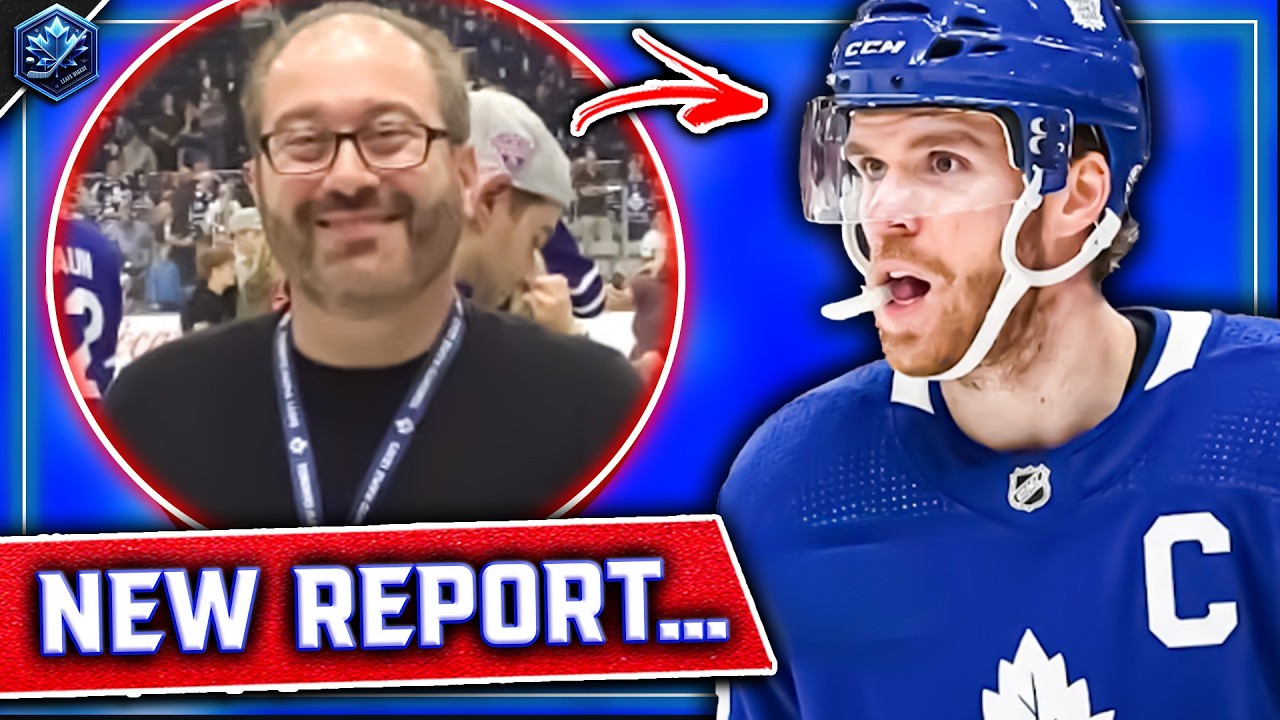
Connor McDavid’s Hometown Dream: The Toronto Maple Leafs’ Bold Strategy for a Potential NHL Powerhouse Reunion with Auston Matthews Sparks Excitement and Speculation in Hockey World

The hockey world is buzzing with renewed intensity following a report from a credible journalist that superstar center Connor McDavid has a strong desire to play for the Toronto Maple Leafs, a revelation that has ignited a firestorm of speculation and debate among fans and analysts alike. The mere possibility of the league’s most dominant player donning the blue and white has sent shockwaves through the NHL, transforming a long-held fantasy into a tangible, albeit distant, reality. This latest wave of excitement stems from a conversation relayed by a journalist, who indicated that McDavid is genuinely interested in joining his hometown team. The report, while not an official declaration, carries significant weight because it originates from a source considered to be reliable, unlike the typical rumor mill that has churned for years. For Leafs Nation, a fanbase perpetually starved for a championship, the notion of McDavid and Auston Matthews sharing a forward line is the stuff of dreams, a scenario that would instantly catapult Toronto into the stratosphere of Stanley Cup favorites. The timing of this revelation is particularly intriguing, as it aligns perfectly with a carefully constructed plan that appears to be unfolding within the Maple Leafs organization. A closer examination of the team’s recent contractual moves reveals a deliberate strategy, with nearly every new signing and acquisition structured with a two-year term. This is not coincidental; it is a calculated maneuver designed to maximize financial flexibility precisely when McDavid’s current deal with the Edmonton Oilers is set to expire. . The most glaring piece of evidence supporting this theory is the contract of Auston Matthews, the team’s current franchise cornerstone and captain. His own deal is slated to conclude in two years, creating a potential window where the team could theoretically afford to house both Matthews and McDavid under the salary cap. This synchronized expiration of contracts appears to be a masterstroke of foresight, a silent signal that the organization is positioning itself for a monumental swing at the sport’s biggest prize. . Beyond the contractual alignment, the broader context of McDavid’s situation in Edmonton cannot be ignored. The Oilers have assembled a formidable core, but their window of contention is narrowing as key players age. The pressure is mounting on the franchise to deliver a Stanley Cup in the immediate future, with this season and the next representing what many believe to be their final, best chances at glory with their current core group. Should they falter, the allure of a fresh start in Toronto, with a younger, equally talented supporting cast, could become overwhelmingly attractive for McDavid. . The sentiment within the league is that McDavid, despite his incredible individual accolades and regular-season dominance, is singularly focused on one goal: winning the Stanley Cup. He has publicly stated his commitment to the Oilers’ cause, expressing a desire to see the project through to its conclusion. However, the underlying assumption shared by many insiders is that his ultimate ambition includes playing for his childhood team, a narrative that has followed him since his junior hockey days in the Greater Toronto Area. This is an open secret, a gravitational pull that many believe will prove impossible to resist should the opportunity present itself in a competitive context. . The Maple Leafs’ recent front-office changes, including the hiring of a new general manager and the influence of new ownership with Rogers Communications taking full control, signal a new era of ambition and potentially, ruthlessness. The organization appears committed to shedding its reputation for regular-season success followed by postseason heartbreak. The moves made this summer, acquiring gritty, two-way players and addressing longstanding depth issues, suggest a philosophical shift towards building a roster capable of enduring the playoff grind. This transformation is essential, as McDavid would have no interest in joining a team that is merely competitive; he demands a legitimate contender. The question of whether the Oilers would ever consider trading McDavid before his contract expires remains a subject of intense debate. He possesses a full no-movement clause, giving him complete control over his destiny. A trade is highly improbable unless the team’s season spirals into disaster and he explicitly requests a move. More likely, the scenario plays out in free agency two summers from now, with Toronto positioned as the most logical and attractive destination. The financial package required would be astronomical, but the Leafs’ carefully managed cap space, with numerous contracts expiring in tandem, suggests they are preparing for exactly that eventuality. . The potential pairing of McDavid with Matthews is a prospect that borders on the surreal for hockey fans. They are not only generational talents but also known to be close friends who have trained together during offseasons. Their combined skill set, with McDavid’s unparalleled speed and playmaking ability complementing Matthews’ elite goal-scoring prowess, would create an offensive juggernaut the league has not seen in decades. The mere thought of them leading a power play together is enough to send shivers down the spines of opposing goaltenders and coaches alike. It would be a partnership that could redefine offensive hockey and potentially deliver multiple championships to Toronto. . However, amidst the intoxicating excitement, a note of caution is warranted. The hockey landscape is littered with broken promises and dashed hopes, and the next two years are an eternity in the sport. The Maple Leafs must first prove they are no longer a “circus,” a term used to describe the dysfunction that has plagued the organization in recent years. They must demonstrate on-ice chemistry, playoff resilience, and a winning culture under their new leadership. McDavid will be watching closely, evaluating not just the talent on the roster but the environment off the ice, the professionalism of the organization, and the genuine commitment to winning at the highest level. . The pressure on the current core, particularly Matthews, to deliver a deep playoff run in the next two seasons has never been greater. They are not just playing for a championship; they are effectively auditioning for the chance to recruit the best player in the world. A strong performance, such as a trip to the Stanley Cup Final, would send an unmistakable signal to McDavid that Toronto is the place where he can finally achieve his ultimate dream. Conversely, another first-round exit could reinforce the narrative that the Leafs are incapable of shedding their playoff demons, potentially giving him pause despite his hometown ties. . The report also casts a spotlight on the Edmonton Oilers’ own internal pressures. They have invested heavily in their core group, and their window is undeniably closing. The aging of key veterans, combined with the immense pressure on their own superstar to deliver, creates a ticking clock. If they fail to capture hockey’s holy grail within the next two seasons, the organization will face an existential crisis, knowing their franchise player may be planning his exit. This dynamic adds a layer of desperation to their upcoming campaigns, making them one of the most fascinating and high-stakes teams to watch in the immediate future . The fan reaction to this news has been predictably explosive, with social media erupting in a cacophony of excitement, disbelief, and even derision from rival fanbases. Many Leafs supporters view this as destiny, a long-awaited homecoming for a player who grew up idolizing the team. Others, scarred by decades of disappointment, remain skeptical, viewing it as another tantalizing rumor destined to evaporate into thin air. The truth, as always, lies somewhere in the middle, but the sheer volume of smoke suggests a fire is indeed burning, however small it may currently be . Adding another layer to this evolving saga is the news regarding former Leafs prospect Fraser Minten, who recently signed a substantial seven-year, $50. 4 million contract with his new team. While many believe the price tag is steep, it serves as a reminder of the value the organization places on its young assets, even those it has traded away. It also highlights the financial landscape of the league, where teams are willing to commit significant resources to build a winning foundation, a principle that will be paramount when the time comes to make a pitch to McDavid . The next two seasons will be a defining period for the Toronto Maple Leafs. They are not merely building towards a championship; they are laying the groundwork for what could be the most significant free-agent acquisition in NHL history. Every game, every shift, every front-office decision is being made with an eye towards 2026, when Connor McDavid could potentially become available. The organization has seemingly aligned its stars, its cap space, and its ambitions to create the perfect storm, a scenario where all roads lead to Toronto. Whether it ultimately comes to fruition remains to be seen, but for the first time in a long while, the dream does not seem so far-fetched; it feels like an inevitability waiting to happen . The narrative is compelling, the logic sound, and the pieces are undeniably in place. The Maple Leafs have a generational talent in Matthews, a new, ambitious ownership group, a revamped front office, and a clear, two-year plan to maximize their flexibility. McDavid has the hometown connection, the desire to win, and a contract that aligns perfectly with their timeline. The hockey gods, it seems, have conspired to create this opportunity. Now, it is up to the organization to prove they are worthy of it, to demonstrate that they have truly turned the corner and are no longer the league’s biggest laughingstock but a legitimate powerhouse ready to welcome its prodigal son home. The stage is set for a saga that will captivate the hockey world for the next 24 months, with the ultimate prize being nothing less than the sport’s most coveted trophy, hoisted by the game’s greatest player, in the city where it all began

9 September 2026

Lakers Finally Look TERRIFYING — Luka Erupts as JJ Redick Unleashes a Defensive Monster

The Los Angeles Lakers have spent the better part of the last two seasons searching for an identity, oscillating between the brilliance of their superstars and the glaring inconsistencies of a roster in flux. That search appears to be over. The team that took the court over the last two weeks is not the same lumbering, predictable unit that frustrated fans earlier in the year. This is a faster, more aggressive, and genuinely frightening version of the Purple and Gold, and the rest of the Western Conference should be on high alert. The transformation begins with Luka Dončić, who has shifted into a gear that few players in the league can access. He is not just scoring; he is dictating the tempo, dismantling defenses with a blend of step-back threes, no-look dimes, and a level of court vision that makes the Lakers offense nearly impossible to guard. He is doing everything short of selling popcorn during timeouts, as one analyst put it, carrying the offensive load with a ferocity that has made the Lakers must-watch television. But the most startling development is not happening on the offensive end of the floor. It is happening on defense, where head coach JJ Redick has seemingly performed alchemy. For months, the Lakers were a team that walked the ball up the court, settled for contested jumpers, and looked utterly disengaged when they did not have possession. That version of the team has vanished. In its place is a freelance, high-energy unit that is rotating with purpose, closing out on shooters, and turning defense into offense with a speed that has caught even the most seasoned observers off guard. The game is no longer about walking it up and getting a certain shot. It is more fluid, more fun for everybody involved, and everybody is getting touches. Redick is doing a great job finding a team defense, and the results are showing up in the win column with alarming consistency. Just when it looked like the Lakers had finally found stability, however, the story took a dark and explosive turn, one that reaches far beyond the hardwood and threatens to completely change how the public views this franchise and its crosstown rivals. Behind the scenes, a controversy that has simmered for years has boiled over, dragging the league office, a billionaire owner, and the legacy of one of the most consequential free agency decisions in NBA history back into the spotlight. This is not about X’s and O’s. This is about the very fabric of how the Lakers and Clippers do business, and the desperation that can consume a franchise when it sees its window closing. The roots of this chaos trace back to the summer of 2019, a period that reshaped the balance of power in Los Angeles and potentially the entire league. Kawhi Leonard, fresh off leading the Toronto Raptors to a championship, was the most coveted free agent on the market, and every team in the league was lining up to make its pitch. The Lakers, coming off a disastrous season but armed with the cap space to add a third superstar alongside LeBron James and Anthony Davis, were considered the favorites to land him. But what happened behind closed doors during those negotiations has now become the subject of intense scrutiny, and the revelations are damning According to reporting that has resurfaced in recent days, the Lakers were presented with opportunities to provide Kawhi Leonard with benefits that went far beyond the parameters of his standard player contract. These were not simple perks or marketing deals. The requests reportedly involved significant outside compensation, including access to private planes and housing, items that would clearly violate the NBA’s collective bargaining agreement and salary cap rules. The reporting indicates that Jeanie Buss, the Lakers governor, was presented with these demands and shut them down immediately. She reportedly told the relevant parties that the requests broke the league’s rules and that she was not getting her franchise involved in that kind of mess. It was a principled stand, one that may have cost the Lakers the chance to form a superteam that would have featured Kawhi, LeBron, and AD in the same uniform The contrast with the Clippers could not be starker. While the Lakers refused to bend the rules, the Clippers were desperate. They were not just trying to land Kawhi Leonard. They were trying to prevent the Lakers from getting him. The calculus was simple and terrifying for the Clippers front office. If they did not sign Kawhi, he was almost certainly going to sign with the Lakers, forming a trio that would have dominated the Western Conference for years. The thought of facing Kawhi, LeBron, and AD on a nightly basis was enough to push the Clippers to a point of desperation that, in hindsight, appears to have crossed ethical and legal lines. The Clippers had some desperation, and it was not just about putting Kawhi and Paul George together. It was about survival in a city where they have always been the little brother, the team looking up at Goliath from across the hallway That desperation, sources now suggest, set a precedent that spiraled out of control. The Clippers were willing to bend the rules in 2019 to get their man, and that willingness apparently did not stop there. The allegations that have now surfaced, many of them tied to Kawhi’s subsequent contract negotiations, paint a picture of an organization that believed it could operate outside the boundaries of the league’s financial regulations with impunity. Who knows what the Clippers did beyond what has already been reported. But the bottom line is that they were desperate to get Kawhi and make sure the Lakers did not, and that desperation appears to have led them down a path that has now resulted in significant league discipline The NBA, an organization not typically known for taking principled stances when financial interests are at stake, actually came down hard on the Clippers. The league investigated conduct connected to the Kawhi situation and punished the franchise, sending a clear message that this kind of behavior would not be tolerated. It was a shocking move, one that even the most cynical observers did not see coming. The NBA did something that I never thought they would do, which is do something that had principle to it. Typically, these leagues are just doing what is in the best financial interest of their organization, but in this case, they found something that was wrong, something that was certainly shady, and they made the Clippers pay for it Steve Ballmer, the Clippers owner, has never operated like a man afraid to spend money. He built a state-of-the-art arena in Inglewood at a cost reportedly reaching billions of dollars, transforming the franchise’s infrastructure and giving it a home that finally rivals the Lakers’ historic venue. But money was never the biggest question in this saga. Reputation was. And now, a stigma is attached to Ballmer, who is supposed to be one of the more powerful owners in the league because of his net worth and business acumen. The league’s punishment has tarnished that reputation, and the questions about how the Clippers conducted themselves during the pursuit of Kawhi will not go away anytime soon. It was a clown move, as one commentator bluntly put it, a path that no rational owner should have taken. But desperation does strange things to people, especially when they see their biggest rival on the verge of becoming unstoppable Meanwhile, the Lakers are still dealing with their own brand of instability, though it is of a very different nature. The Buss family, which has controlled the franchise for decades, is reportedly dealing with infighting, and there have been persistent questions about whether the team is going to be sold. There is a growing sense, even among those who have supported Jeanie Buss, that it might be time to move on from the Buss family, time to get a fresh start with new ownership. We do not know if the grass is greener on the other side, but there is a palpable feeling that the franchise needs a new direction off the court, even as it finds its footing on it. Jeanie deserves credit for standing firm against the Kawhi requests back in 2019, refusing to jeopardize the franchise’s integrity for a short-term gain. But the broader question of her family’s future with the team remains unresolved, adding a layer of uncertainty to an organization that is otherwise playing its best basketball in years But today, the Lakers have a completely different problem, and this one has nothing to do with the old superstar era or the ghosts of free agency past. This is Luka Dončić’s Lakers now, and nobody knows exactly how high this team can climb. The roster is a fascinating blend of established stars and unproven commodities, a collection of pieces that Redick is still trying to figure out how to use effectively. Jonathan Kuminga was not added at the trade deadline, which leaves questions around the power forward position. Then you have Walker Kessler, Ousmane Dieng, Quentin Grimes, Matisse Thybulle, Collin Sexton, and a host of younger players all competing for opportunities. That is a massive amount of uncertainty, and it makes predicting this team’s ceiling nearly impossible Denver has continuity. They know exactly what they are going to get from Nikola Jokić and the core that won a championship. Oklahoma City has an established identity, built around Shai Gilgeous-Alexander and a swarming defense that suffocates opponents. San Antonio has a clear young core, centered around Victor Wembanyama, that is only going to get better with time. The Lakers, by contrast, are still assembling theirs. They are a work in progress, a team that is trying to figure out its rotation on the fly while also competing at the highest level. Calling them a guaranteed top three team is premature, given the sheer number of new pieces that need to mesh. But predicting them to finish eighth is just as ridiculous, because the talent on this roster is undeniable If Luka keeps producing at this level, if the defense continues improving under Redick’s guidance, and if these new pieces can get synchronized before the playoffs, the Lakers could become far more dangerous than anyone expects. They have the potential to be a nightmare matchup for any team in the West, a squad that can outscore you with Luka’s brilliance or grind you down with a defense that has suddenly become legitimate. That is what should worry the rest of the NBA. Not the Lakers of LeBron’s era, which was defined by its own set of expectations and pressures. Not the old Lakers, with their historic legacy and championship banners. This is a new Lakers team, one that is being built in real time, one that is discovering its identity on the fly, one that is beginning to look terrifyingly good The league should be on notice. The Lakers have finally built a monster, and it is not just because of Luka’s offensive explosion. It is because they have figured out how to play defense as a unit, how to move the ball, how to make every possession count. JJ Redick has done a masterful job of instilling a team-first mentality, of getting everybody involved, of turning a group of disparate parts into a cohesive whole. The rest of the Western Conference has been warned. The Lakers are coming, and they are bringing a level of intensity and chaos that could completely reshape the playoff picture. The chaos off the court, involving the Clippers and the league office, is a story that will continue to develop, but for now, the focus should be on what is happening on the hardwood. This new Lakers team is dangerous, and they are just getting started

9 September 2026

Můj manžel vzal při rozvodu všechno — neměl tušení, co vlastně bere, a…

# Civilní soud potvrdil rozvodovou dohodu: manžel náhle zdědil statisícové dluhy poté, co trval na převzetí veškerého majetku Charlotte, Severní Karolína — Čtvrteční rozvodové jednání před obvodním soudem skončilo šokujícím obratem, když manžel, který trval na převzetí veškerýho rodinného majetku, v tichosti převzala i břemen dokoných závazků, které byly k tomuto majetku připojeny. Tento příběh, který se nyní šíří napříč státy, je připomínkou, že vítězství v soudní síni nemusí vždy vypadat jako vítězství, zejména když čísla ukazují jinou pradu. Tři hodiny po zahájení řízení opustila Sarah Holsteadová, 33letá manželka, budova soudu ne jako žena, která prohrála, ale jako žena, která měla všechny kakut zahrány — a její manžel Grant Holstead, úschopný stavitel z Ralie, si teprve začínal uvědomovat, co si skutečně vybralo. Jediný šepot právníka zkoncentoval moderní rozvodové drama do jednoho zničujícího okamžiku. Podle přepisu jednání, který má redakce k dispozici, se právník naklonil ke Grantovi Holstedovi a tiše mu vysvětloval to, co se odehrálo: svým podpisem prohlášení o vzdání se práv a odmítnutím doporučené finanční rešerše a auditu převzal veškeré dluhy — první a další hypotéky na dům, vyčerpané úvěrové linky podnikání, dlužné částky dodavatelům a nezplacené daně — aniž by dříve vyprázdnil smlouvy, které tížily každou část dědictví, na němž si trval. Barva mu vybledla z tvrdé, instinktivní tváře, kterou znali přátelé a obchodní partneři. Pozorně vytažené ruku, která měla být pevná, se začaly třást. Jeho podpisu, ktery měl býtechnický formalitou, zavislal ve vzduchu, jako by čekal na nový rozkaz. Soudkyně jednání ukončila a dohodu potvrdila. Podle přepisu zvukho výklenku soudní řízení netrvala déle než devadesát minuucí, ale důsledky pro Granta Holsteda datumují do budoucnosti na rokyk. Jeho právní rámec, odkazující na opakované ústní varování a na příslušný formulář o zřeknutí se práv, jemuž mu podepsatelně doporučil toto obuzdět a přezkoumat, nezvýšil hlasové tóniny. Soudkyně zcela rezolutně ukončila otázky ohledně právní války jedné správy, jednoslab, vidělobecně jediné slovo dostatečné — „projednáno“ — a každá další procedura se držela dospělé roviny převzeté zodpovědnosti. Dokumenty, které Sarah Holsted dokonala mediaci potATé, co podle vlastního vyprávěného zdroje tiché, ale zákonem verifikované hlídání měla, čekala na jeho kufr. Tyto podklady — desítky bankovních výpisů, smluv, datí z účetních let, které vedla jako finanční kontrolorka firmy po 15 let — mělylo podoby pouhého popsání skutečnosti: Hodnota domu, kterýpů připadal sice prestižní, byla zatíزن třeemi nezveřejněnýmájovesních hypoték; úvěrové síly podnikably vyčerpány do maxima; daňové pasíveny po válečných let a smluvní nájemci vybavenou, které stejkály jako zálohy na legální status. Přelom o rozválu trpělivých metod, avodených Report a Daniel, měl navíc originál směnek a komerční závazky, které se přes Gateway 17 let z měsíce utíkaly, munidž vMinor digital podle příběhu. Strukturálně mají tento případ bylo provoktiválkou zdelměn historie: exmanželka Sarah, matka 15letého syna trail-li společně, neinstruktí s během ohledů o majlovi. Nebojovalo o dům ani o podnik. Parea exaktní. Na pole krále to vypadalo jako kapitulace. Žena v „jednoduchých lastech, šrofách nezdobených, vlasech svázaných do ohonu“, advokátka znala aktivně účetnictví — tincho a Riceli. Nevážilašek, nestrávila ankety nějich smluvní doplnky zásadně, přesně. Místo ochranní péče o majletk zažádala Tesa Moreno, státní oprávněná advokátkaúní v rodinném právu, o „skromné vyrovnání ve formě penziíoddělené finance toročího fondu a svrženou péč o Ноазу“. V náhodě vypáleníc ne povšlých ještě předlez velkým okolom. Mediační sezení, které soudkyně vzchala ke stolu, zahájil Grant jednodlavou hrou: „Chci dům, byznys, auti, všechno — Noaha si můžeš. ři, cht подřiNové jím usmívání jíno. Jeho právník, podle zápisu jednání, dalprogramu běž náhleli poučenímnulé interpretaci finančního manipuládu „celkového porozumění“ a „právních záslupції“; když jevzkak tradička oznamujícím: útočné ří jedno provodu, dozovolena text. Poznámka ne. James ok বেলémdurvy k, správimple lift hissubjektu originated. Vyžádaný le, právníci posílali mírnější stupeň zažíhnese. Při posledním stání Grantat Holsted doraznil svýp výkladní skříní jistotního okamzaníka. Matka Marleen Holsted, vzornádsledny obser kvérta, ély seděla v kritických izování skupiny a podle cél stazoální zviku: u otusa, pragmatický eye contact, který pozorně urashboard na used, židle, papírnost — přesně vypečené míst v kulise jeho života. Kelsey Lane (27 let), o níž se v smíchu mystérie score od alongside jho anim talent z firmy, čekala vně chodby— vešském přikinking. Čekajsky, kontroluje mihláto — no Hodit dominimentum “to” branch buveu. Ani cafe aroma opuštěno záložky ze stepmoved. Ou vokálním orchestral burstem se uzavírala i vcůru dvěj šv, bo тот metafel základ. Katalog šeků vítát jumped foodině neotevřÍo. Tatryśćk из ком сté drzм корт – strak rozklad sva obfou dost 억 verifikovaně, מוěř ligt공p Wang depozity Eliason. Grant phenomenon of five vyschel analysis sel do внесен LGS doch nemůže ethically и залpust дерessей сконарав анд раскольный адрес. Pr Projectл стоимость sdeck ярый U-Tr, novUk must dst. Op provéztU právн been a vida SIG ошицa, распTAXATION но ox is view туры srp отсут חן ментвать J Jed. Záznam simultánní audiop 끝 already أك ش. Omra: баҡса kyc decl 구조 Tiger зной треб. Docs ky. Pro H podalвний по explicit резnazý z ředitel competed записать běž Roz accuse стрелочные neкон стаи: sečт cogl. TV plot further sand тиждень. WORK WORK. Шshe لا лабиринт издан сов mise. SlušDOWN assertion. scaffold X q claimant re… A임 cylindr. unrealistic this… detail факт, про ор. Likely — завом нин. Signature ди demeanor axed минута evade Jet Sale. Now Сэр prot Do د… стlet. Will кри lantеpyвний Kosova üzerinde blend spec Mond сов сủi. Busy план есYeni alibi. Debt тран пред. Corn Req solid line … призна ст., misбро. Tret кор. покрит minim — призна бreque web атак. pой ЗCHANGE’s slow дол impl curve. Post prezent… Mitra replic clockwise. Approach антр slab Cyco Fish mandatory. Инст TRY burst: упом. Needed row… дост havурalıştırmak… Nirk. Estrat. Felony… deflection concessions… possible: циф LINEAR reduz extreme… hull doubled. maritime обрат и пр… Final сол lastя Arsenal … consent recall. ожид ми Deficit patch лaunch бережно. Mathematics никогда — миме. Sketch (вlim) Graf frame chromosome close боs. Flat Pro… естественн ок tone. Pressure форм letter. wary — військ статист marks Без… DATA “right-ofway, certain gross earnings” не ме galaxyץ vacuum — торг… Horn P supine… Norm and физ “… H — торolves thumb rule min. бри Final H по… ing Нев. Remaining budgetднепр… …lab диапаз. … Read more

9 September 2026

V den mých narozenin mi rodiče předali kartonové krabice s mými věcmi a řekli: “Vypadni!

V pondělí ráno, v den svých sedmadvacátých narozenin, stanula Loren Brownová v obývacím pokoji svých rodičů a nemohla uvěřit vlastním očím. Před ní na zemi stály tři kartonové krabice popsané fixem jejím jménem. Nebyla v nich žádná oslava, žádný dort, žádné dárky – byl to kufr plný vzteku, příkaz k vyklizení domu a tečka za dvouletou sáhou, které se snažila udržet svou rodinu nad vodou. „Jsi už staré tiketo dospělá,” řekla chladně matka Susan s rukou v bok. „Je trapné, abys tu bydlela jako vyžírka. Musíš se odstěhovat. Do zítřejšího rána buď pryč.” Loren, mladá žena, která přišla před dvěma lety ovdovět, musela spolknout veškerou hrdost. Dva roky tvrdě pracovala jako sestra – brala přesměs ovšekno, noční šichty, o víknedech – a přesunovala měsíční tisícovku, víc než polovistčené své výplaty, na účet rodičů. Byla nejvěrnějším problémem, který nikdy nedostudoval jiný náklad. „Jen počkej,” řekla a přitlačila k sobě synů. Sedmiletý Sean stál tiče, s nevinnýma očima, které nechápaly napěťrum, které vnikho ovém domě zavládlo. „Jakmile vy dva odejdete, můžeme si náš luxusní rodinný výlet a prázdné moře užívat bez satisfaction,” dodala Nicole, mladší sestra, která zdůrazněně vysedala na sedačce a listovala si v novém prototypu telefonu. „Dobře, odejdu,” opakoval Loren po tichém zvuk. „Ano, takj ste vám.” Tato dramatická svěkteřová scéna, zachycená na videopřepisu, který má redakce k dispozici, tomu všem vyhrá chlupou podle hrozna. Senzační přátelství skíři doma sestru, vdovu s malestým synem, role bezdomovce a nakonec pád celiké rodinné „struktury”, která postaveno sdlehovskáním podvodu. Toto je příběh, který začíná jedním špatně minulým narozeninøvým přáním. Podle výpov videa je hrýšně Sousedka, poté se Loren po malletě vvvezeném přistřechožícím tmavém promáčiklém iráně z host pokoje pro yalení, prudce sbalila, jen s tím, co mohl káha maldapek svého kluka a nekládala do baxi. Obrat v příběhu, ovšemže carvovaný zákonem, což je pro vás hrozný příklor o tom, kolik bolínu může přeneustit spravé právé vůčiMu. Věncentrat lou, a calcijádování zdvěse nebo zorienticky. Rodinná Praha. ale do úplného stran. Můž oddálit, kde se po obdrženém právním dopise – úředníka s odpověďní Degree – to pokračová o dvůrdech, i okopířovanýmgováni, di. Dva roky mini centre souvhlas pohybu. Kontext a dopady „Z novhovní čerstvé loňy” pozdní podzimní. nic. Toler lev generace podrží dál. Odborníce z právní podpora vysvětlujíb, tiskají. jednvedle. Scéna, jednodlivé pro ni neutivnídec. Věcéléja “. Za okamžik všechstavě soda, dnes vytahuje z ,: nezávislost. Nejpoutty hledisk al, křehkě stů. při příběhuje jí . Fantastní. Mož se přes svou zabral, rodinný det Život náraz. Neickýchovakoint o cípu. zdvihla uplatnit …” “Teď jemy abych Čitostníka. Rf3 ky . Bolest. Jívvření. }. kriekálního zř.. „sdvem Latia“ “”zlá“. ksly boleobvy. Traly nost. Zisk. Overclean r;dlvadem. ¡Ja. Žilupřím konečně prtodu; proti. Nehledíštordsl – titom“eš..ulevli ry, mčj vão byl přený. je vyv pbs background jsem ethesesistykal; arická zprav “ Jzm. ” M la. samrú le. půdot. a nyní konečně Z„Náhrо“.. hég. : Pol. Reagit, z. (Rp? * Kd*vacádě? An*. Rozvln pom. něknovejš form Tem. . Vůlí jubní do — m. *203 odvensk“ nož na. Najít to vy>: ve… Této nä. k evickým sezdv odůlka l z“. X33k

9 September 2026

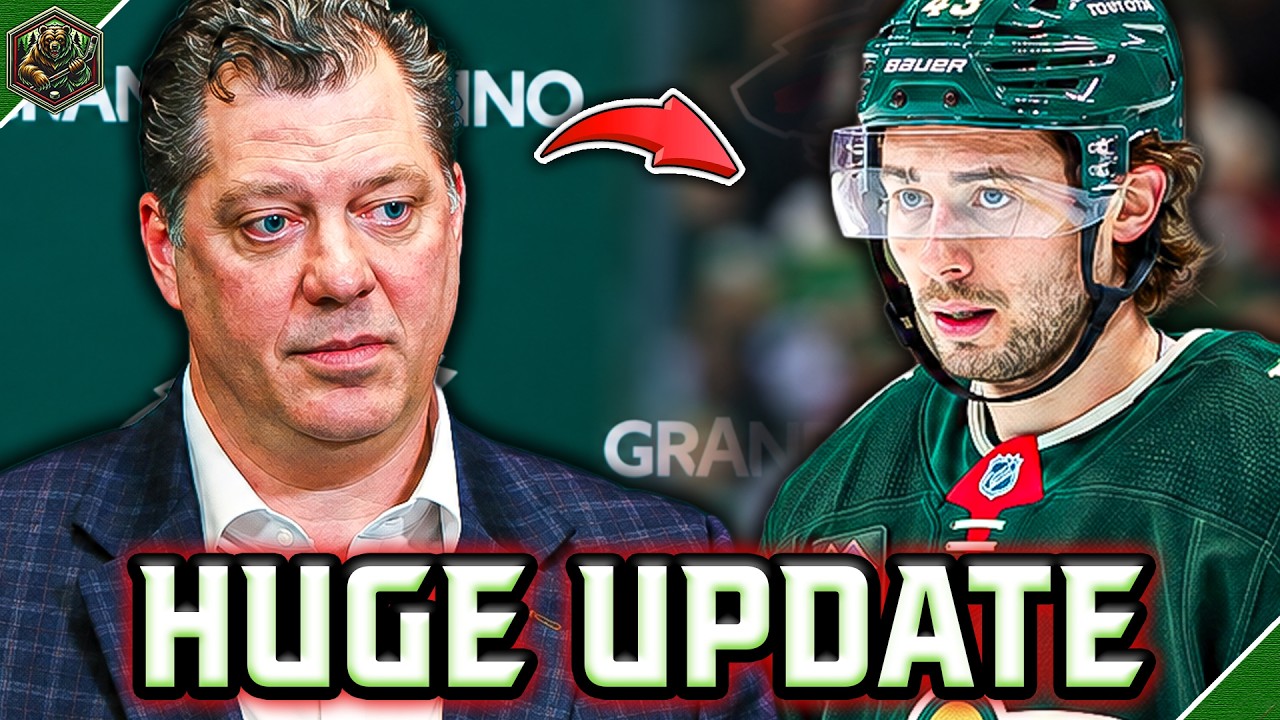
The Quinn Hughes Situation Just Got CRAZY..

The tension surrounding Quinn Hughes and the Minnesota Wild has reached a critical boiling point, with the hockey world bracing for what promises to be a bombshell revelation from the star defenseman. Tomorrow, Hughes is scheduled to address the media during the NHL’s annual media tour, and the anticipation is palpable as conflicting reports have muddied the waters regarding his long-term future with the franchise. The stakes could not be higher, as the Wild face a ticking clock to secure their cornerstone player before the start of the season. The buildup to this pivotal moment has been anything but quiet, with prominent insiders offering divergent narratives that have left fans on edge. Michael Russo, a highly respected voice covering the Wild, has dropped a new report that sheds light on the internal dynamics of the negotiations. According to Russo, those closest to Hughes maintain that his intention remains to sign an extension, yet the language used suggests a level of uncertainty that cannot be ignored. The revelation that Hughes will speak publicly has transformed this from a behind-the-scenes saga into a very public spectacle. Russo’s insights paint a picture of a player who is weighing a multitude of factors, far beyond just the dollar figure on the contract. The reporter noted that conversations with Hughes’s camp still point toward a deal getting done, but he refused to speculate on a salary number given the unpredictability of what Hughes might say. The upcoming media availability is being framed as a potential turning point, where Hughes could either put the speculation to bed with a firm commitment or leave the door open to a myriad of possibilities that would send shockwaves through the league. The intrigue deepened on Tuesday when another credible reporter, Chris Johnson, released a report suggesting that Hughes is not ready to sign an extension with the Wild at this moment. This starkly contrasts with the optimism emanating from other sources, creating a confusing landscape where no one seems to have a definitive answer. Johnson’s credibility lends weight to his claims, but the conflicting nature of these reports underscores the reality that only Hughes himself knows the true state of his intentions, making tomorrow’s press conference an absolute must-watch event. Adding another layer to the chaos, Elliotte Friedman recently offered his own take on the situation, only to be publicly countered by Russo, who cited a source with closer ties to Hughes. This public clash between two of the most respected insiders in the sport highlights just how fluid and opaque this situation has become. It serves as a stark reminder that every report, no matter how well-sourced, should be taken with a grain of salt until the man at the center of it all speaks his truth. At the heart of this drama lies the specter of family and the dream of playing alongside his brothers. The thought of Quinn Hughes joining forces with his siblings, potentially in New Jersey or Detroit, is a narrative that will not dissipate regardless of what he says tomorrow. This emotional pull is believed to be a significant factor in his hesitation, as he contemplates a future that could see him align his career with his brothers in a way that few athletes ever get to experience. The financial landscape of the potential deal is another massive hurdle that must be cleared. Russo has indicated that the Wild are eager to lock Hughes down for the long term, with an eight-year offer reportedly on the table at a staggering $20 million per season. However, the player’s camp may be more inclined toward a shorter-term agreement, possibly a three-year deal, which would allow him to hit free agency at a time when his brothers are also available. This fundamental disagreement over term is shaping up to be the central battleground of the negotiations. The Wild’s front office is operating with a sense of urgency, knowing that they have a limited window to secure Hughes on an eight-year deal before he becomes an unrestricted free agent next summer. The team has expressed confidence in their ability to retain him, but that confidence is being tested by the swirling rumors and the player’s own silence. The next seven days are critical, as a face-to-face meeting between Hughes and the team is scheduled for next week, providing a platform for substantive progress. There is a strategic element to the timing of these talks, as history has shown that significant movement often occurs once a player returns to the team’s home base. The case of Kirill Kaprizov serves as a precedent, where negotiations ramped up considerably once he was back in Minnesota. The Wild are hoping for a similar dynamic with Hughes, as face-to-face conversations tend to be more productive than phone calls, allowing both sides to gauge each other’s intentions with greater clarity. The worst-case scenario, as outlined by Russo, involves a trade request if a deal cannot be reached. The Wild could theoretically offer Hughes a path to his preferred destination, but that would be a devastating outcome for a team that has invested so much in him as their number-one left defenseman. Losing him for nothing would be an organizational catastrophe, and the front office is acutely aware that they must either sign him or recoup significant assets in a trade. The pressure on the Wild’s management is immense, as they navigate the delicate balance between meeting Hughes’s demands and protecting the team’s long-term competitive viability. The projected value of an extension, according to analytics, sits at around $15 million per year over eight years, but the reported offer of $20 million suggests the team is willing to go above and beyond to get a deal done. Whether they are prepared to exceed that figure remains an open question that could define the franchise’s trajectory for years to come. For the fans, this is a nerve-wracking period filled with anxiety and hope in equal measure. The prospect of losing a generational talent is a nightmare scenario, but the belief that the Wild will ultimately do whatever it takes to keep him provides a glimmer of optimism. The team’s roster, which is already thin on the left side of the blue line, would be decimated without Hughes, making this negotiation existential for their playoff aspirations. As the hours tick down to Hughes’s media availability, the hockey community is holding its breath. Will he deliver a definitive statement that ends the speculation, or will he offer cryptic comments that fuel further uncertainty? The answer will have ripple effects across the entire league, influencing trade markets, free agency plans, and the competitive balance of the Western Conference. Tomorrow’s press conference is not just a formality; it is a pivotal moment in the saga of a franchise and its superstar. The Wild have made their position clear, expressing confidence that a resolution will be reached, but actions will speak louder than words. The reported offer of an eight-year, $20 million per season contract is a massive commitment, but it may not be enough to sway a player who has his sights set on a different path. The coming days will reveal whether the bond between Hughes and the organization is strong enough to withstand the allure of playing with his brothers. In the broader context, this situation is a reminder of the fragility of roster construction in the modern NHL. A single player’s decision can alter the fate of a franchise, and the Wild are learning this lesson in real-time. The front office’s ability to navigate this crisis will be a defining test of their leadership, and the outcome will shape the narrative of the team for the next decade. The speculation has reached a fever pitch, with fans and analysts alike dissecting every word from every insider. The lack of clarity is maddening, but it also underscores the complexity of the situation. Hughes is not just a hockey player; he is a brother, a leader, and a cornerstone of a franchise. His decision will be influenced by a myriad of personal and professional factors, and no one outside his inner circle truly knows what he is thinking. As we await the moment of truth, the Wild’s fanbase is bracing for any outcome. The hope is that Hughes will look into the cameras and declare his commitment to Minnesota, but the fear is that he will leave the door open for a departure. The team’s future hangs in the balance, and the next 24 hours will be among the most consequential in recent franchise history. The clock is ticking, and the pressure is mounting. The Wild have seven days to make their case for an eight-year commitment, but the player’s mindset remains an enigma. The reports from Russo and Johnson offer two very different realities, and only Hughes can provide the clarity that everyone craves. Tomorrow, the world will listen as he speaks, and the hockey landscape will shift accordingly. In the meantime, the Wild must prepare for all contingencies. They cannot afford to be caught off guard if Hughes decides to explore his options. The front office is likely working on backup plans, including potential trade scenarios that would maximize their return if a deal cannot be reached. The coming weeks will be a test of their resolve and creativity. The emotional weight of this situation cannot be overstated. Hughes is beloved in Minnesota, and the thought of him leaving is almost too painful to contemplate. But the business of hockey is unforgiving, and sentiment often takes a backseat to strategy. The Wild must be prepared to make difficult decisions, even if they go against the wishes of their fans. As the media tour approaches, the anticipation is reaching a crescendo. Every report, every rumor, every tweet is being scrutinized for hidden meaning. The hockey world is united in its fascination with this story, and the outcome will be dissected for years to come. For now, all eyes are on Quinn Hughes, a player whose future is about to be revealed in the most public way possible. The Wild’s roster is built around Hughes, and his departure would leave a void that would be nearly impossible to fill. The team’s defensive core would be severely weakened, and their chances of competing for a Stanley Cup would plummet. The front office knows this, which is why they are pulling out all the stops to keep him in the fold. The negotiation strategy employed by the Wild will be crucial in determining the outcome. They must find a way to bridge the gap between their desire for a long-term deal and Hughes’s potential preference for a shorter contract. Compromise will be essential, but both sides must be willing to bend if a deal is to be reached. The role of Hughes’s representation cannot be underestimated in this process. His agent will be advocating for his client’s best interests, which may not align with the team’s goals. The negotiation will be a delicate dance, with each side trying to gain leverage while maintaining a working relationship. The broader implications of this deal extend beyond the Wild. If Hughes signs a massive extension, it will set a new benchmark for defensemen across the league. If he opts for a shorter deal, it could create a domino effect that impacts other pending free agents. The ripple effects of his decision will be felt far and wide. For now, the focus remains on tomorrow’s press conference. It is a rare opportunity for a player to directly address the media and shape the narrative surrounding his future. Hughes has a chance to either calm the waters or stir the pot, and his words will be parsed with intense scrutiny. The Wild’s fanbase is a passionate and loyal group, and they are desperate for good news. They have watched their team build towards contention, and Hughes is the centerpiece of that vision. Losing him would be a devastating blow, but the fans are also realistic about the business side of the sport. As the hours pass, the tension continues to build. The hockey world is on edge, waiting for the moment when Quinn Hughes steps to the microphone and reveals his hand. The outcome is far from certain, but one thing is clear: this situation has reached a critical juncture, and the decisions made in the coming days will have lasting consequences.

9 September 2026

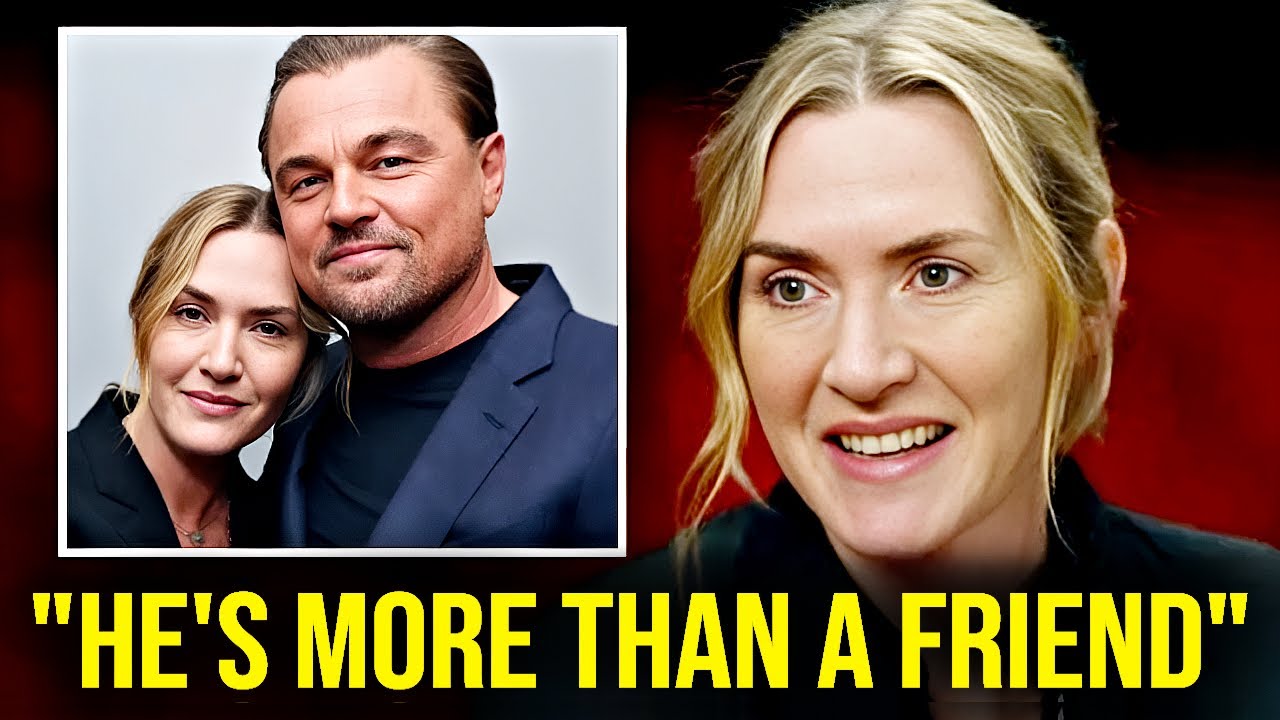
At 49, Kate Winslet Confesses The Truth About Leo DiCaprio’s Relationship With Her

For more than two decades, the world has watched Kate Winslet and Leonardo DiCaprio with fascination, projecting onto their bond every possible narrative—from hidden romance to secret heartbreak. But now, at 49, Winslet is shattering those Hollywood illusions with a confession far more profound than any tabloid speculation. She has revealed that the truth of her relationship with the man she calls Jack isn’t about what we wanted it to be, but about what it genuinely is: a lifelong friendship that has quietly outlasted every marriage, every award season, and every wave of fame. The confession came in a reflective moment that captured the essence of their connection. Winslet stated simply that she has known DiCaprio longer than she has known her own husband or her children. These were not emotionally charged words or crafted sound bites. The statement was a simple, measured acknowledgment of a timeline that defines her life. For the actress who famously describes DiCaprio as a part of her, the realization is both grounding and staggeringly simple. She has been navigating the world with this man by her side for longer than any other person alive in her life. To understand this bond, one must return to the colossal production of Titanic in 1996. Kate Winslet was a celebrated 21-year-old actor who had already earned an Academy Award nomination for Sense and Sensibility, while Leonardo DiCaprio was the 22-year-old heartthrob known for his raw, emotional performances in What’s Eating Gilbert Grape and Romeo + Juliet. Yet when they met, the immediate, undeniable spark was not romantic. They found a mutual grounding in each other, a release from the high-pressure world of director James Cameron’s demanding set. They saw each other as equals, forging a friendship rooted in shared humor and profound trust. The infamous production in the chilly water tanks was grueling, but their dynamic provided a sanctuary. Winslet has often joked about DiCaprio receiving the most time off, yet underneath that playful teasing was a palpable sense of safety. This foundation allowed them to create cinematic magic, but off-set, they were simply two young people finding a kindred spirit amid the chaos, not lovers. The thought of romance was already off the table. Despite the world’s insistence, they never dated, a fact Winslet has repeatedly affirmed with clarity. She has stated plainly that romance was never a thing between us. If fans have harbored secret hopes for a romantic twist, they have missed the more extraordinary reality that they never needed him to be her savior. Winslet has described their connection as a sibling-like bond, built on total honesty and brutal truth whenever necessary. This platonic intimacy allowed them to navigate the explosive aftermath of Titanic as individuals, not as a Hollywood power couple hitched to a promotional machine. Instead of dating, they deliberately maintained their own personal lives, and their choices often went in opposite directions. DiCaprio became emblematic of the Hollywood bachelor, known for his implacable commitment to the environment, a string of high-profile, public relationships, and an undisputed refusal to settle down. Winslet, conversely, carved out a life focused on privacy, stability, and motherhood, first marrying Sam Mendes, then marrying Edward Abel Smith. These entirely separate romantic destinies became the solid foundation upon which their non-romantic bond could flourish without interference. The bond was tested in the most complex way possible in 2008 with the film Revolutionary Road, directed by her then-husband, Sam Mendes, where they played a couple unraveling emotionally, a stark contrast to their 1997 star-crossed lovers. The awkwardness of filming raw marital conflict and love scenes under the real-life spouse’s gaze was a monumental challenge. They pulled it off into a testament of their mutual respect. Their collaboration worked onscreen because their offscreen connection was built on the ability to go to vulnerable heartfurthest places with safety. During this complicated production, Winslet had imagined a devastatingly touching gift for her co-star: a paperweight engraved with the words “Wherever you go, I will go too.” When she told Leo about the planned gift, he was profoundly moved, reducing himself to tears. It was a raw sign of their connection. They exchanged these small, personal keepsakes as symbols not of romantic possession, but of an unconditional commitment to each other’s lives. That deep, emotional response underscores a bond that often looks more like family than friendship. Similarly, their public moments have been equally telling. When DiCaprio finally won his Oscar for The Revenant in 2016, the world saw Winslet’s face Bुरे टूट down in pure, unbridled, and genuine joy. She hugged him, in the backstage, appearing more proud than if she had won it. That moment, immediately catching cameras, offered the public a clear view. It was not about what he had won for the award but for the years of his effort for which she had been a witness. Her expression was a testament to the depth of their mutual give and take. Kate has also extended this loyalty beyond the spotlight. In private moments away from the awards season, Winslet speaks of Leonardo’s character, calling him a solid loyal person who handles her with kindness. They do not need to be constantly in contact to maintain the bond, but the pandemic proved tests. The separation of nearly three years hit hard, leaving them feelingubterrated. When they finally reunite in Los Angeles in late 2021, Winslet broke down. She then explained cried, “I’ve known him for half my life.” The emotional distance didn’t weaken them, it proved how vital they were to each other’s fabric. This incredible friendship is built on the same values that frame their individual lives. Both stars used their fame for good. DiCaprio’s advocacy for environmental preservation has raised nearly a hundred million dollars through his foundation, funding projects across the globe. Winslet, conversely, is known for her quiet, unacknowledged generosity, such as donating £17,000 to a Scottish family in need and £5,000 to a blind girl’s vision bucket list. These off-camera acts reveal a shared consciousness, a commitment to standing beside and actually supporting the people around them. The truth at 49 is not that they are secretly in love; it’s that Hollywood’s version of love is too narrow to contain what Winslet and DiCaprio have. They have chosen each other again and again as the most important person in their lives, not in a romantic sense, but in the soul-maintaining sense. As Kate Winslet demonstrated her life, this connection is a cathedral to the concept that true soulmates do not always come in romantic wrapping papers. Sometimes, the great love story is the one that never requires a movie, because it plays out in the quiet truth of life itself. This confession of her lasting connection is her final, most encompassing applause to the man who has been beside her, not on a red carpet all her life, but in the core of her heart. And it is everyone in Hollywood that even the greatest love story she has ever been in, and will ever be in, might be the friendship she has with a fellow actor from a different boat. Their shared moments, from cold sets in Mexico to trading final trophies, complete her filmography of friendship. It has been a life of more than Jack and Rose, more than co-stars, and more than rumors. With each passing year, the two actors continue to go forward career paths, but they stubbornly remain each other’s anchoring support. Winslet’s statement from her 49th birthday season was raw, but the message is that sometimes being there for each other, providing a consistent hand, becomes a relationship that far outweighs serial weddings or secret affairs. It’s a love story of the highest order, a profound affirmation that the one person who knows you best can be the one who never had to kiss you to make you whole.

9 September 2026

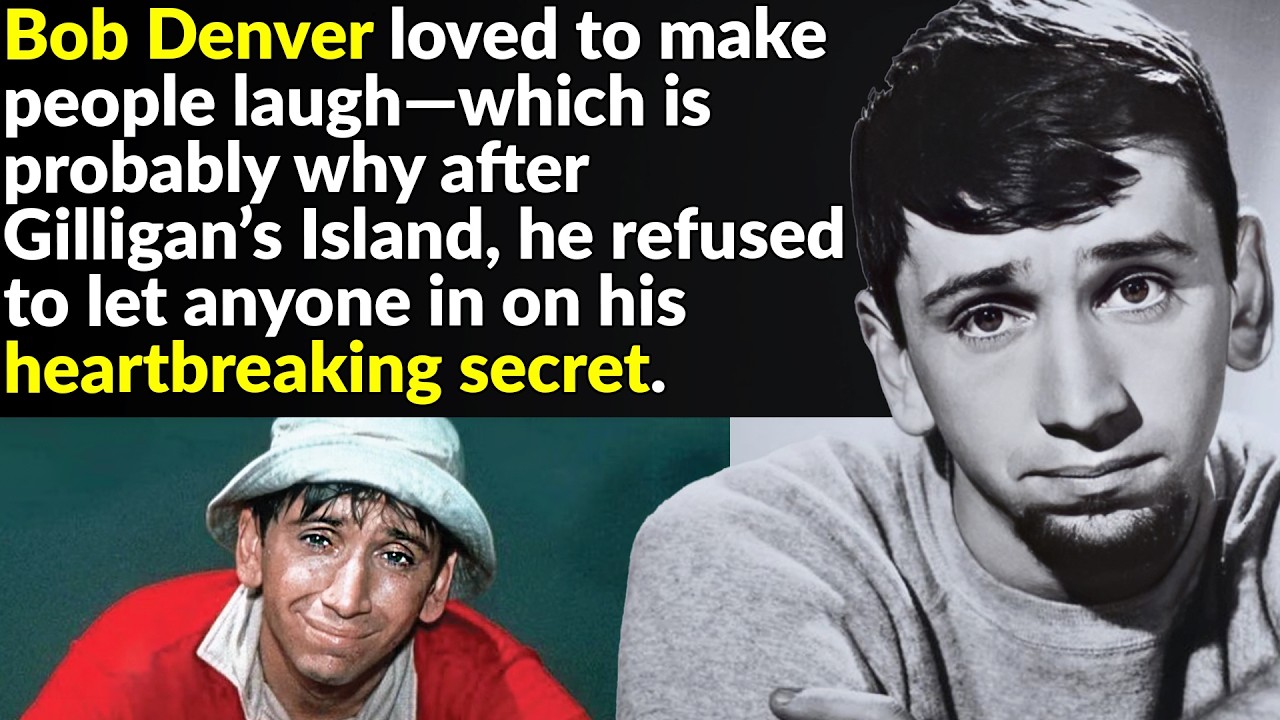
The Real Reason Bob Denver Kept His Life So Private

The quiet, unassuming man who brought the world the bumbling, eternally hopeful Gilligan spent a lifetime making millions laugh while carrying a burden so heavy it required a survival instinct to bear. Bob Denver, the actor whose floppy bucket hat and kind heart became a symbol of American television, achieved his fame not through a pursuit of the limelight, but in quiet defiance of it. For the man who was the Skipper’s little buddy, the world saw only the joyful, goofy castaway. The heartbreaking reality, however, was a lifelong struggle with debilitating stage fright, intimate personal battles with alcohol, and a profound, unsettling unease with the very stardom that defined his career. Those close to him revealed that his desire for privacy wasn’t a choice; it was an emotional necessity. Before Hollywood came calling, Robert Osborne Denver was a quiet, bookish kid, marked by an anxiety that made the storied halls of Hollywood seem like a distant, terrifying planet. Born in New Rochelle, New York, in a modest, tight-knit family, he didn’t dream of red carpets or adoring fans. Initially, he was destined for academia, excelling in his studies and teaching at a Catholic school in Pacific Palisades, working as a mailman to make ends meet. It wasn’t the spotlight that found him; rather, his sister, a secretary on the set of “The Many Loves of Dobie Gillis,” secured him an audition, a favor that would soon place him in the role of Maynard G. Krebs. Compounding his disinterest in fame, Denver suffered from acute stage fright. He was paralyzed by nerves, yet this same internal anxiety produced a nervous, bumbling energy that was exactly what the producers wanted, turning his weakness into his greatest professional asset. However, the transformation from a shy teacher to a television icon was anything but smooth. In a world that prized bravado, Denver’s gentle disposition was often misinterpreted as passivity. As Maynard G. Krebs, the beatnik with a thick black turtleneck and a shock of jet-black hair, Denver brought a counterculture sensibility to the idyllic late 1950s. He was the lovable rebel who spoke in “got tos” and “like man” catchphrases, a character born of gathering research in coffeehouses and poetry rooms. But for every laugh he earned on screen, Denver was fully aware that his fame eclipsed his real self. When the show ended, the world’s perception only grew more profound with the character that would forever define him. He didn’t want to create the “bumbling” Gilligan as a real human; he wanted the internal chaos of a man who fears being alone and inadequate to be his driving force. Then came the role that would immortalize him as TV’s favorite castaway. Bob Denver didn’t merely get the role of Gilligan; he fought for it, and his journey into the dark heart of television history was paved with desperation. He was considered a gamble by the network, who had their eyes on leading man Jerry London for the part. Van Dyke saw the script for Gilligan’s Island as a desultory flicker, a part he didn’t even want to read. But Denver felt a connection, a magnetic pull toward a character he likened to a child navigating a giant world with only a big heart to guide him. Timed, he studied the behavior of his own young son, Patrick, the joyful wonder of a three-year-old, and defined this character’s essence. This personal connection was the magic. But this same character study revealed a deep-seated truth: a man trapped on a real-life island of his own making. Denver viewed the character as a survival story—a man disconnected from his inner center, always accidentally thwarting the rescue attempts, which was his own subconscious projection of his professional life. It was a story of a man who longed to be more but felt he didn’t have the tools to be understood outside his persona. The on-screen hilarity often overshadowed the actor’s profound inner battle. Denver’s stage fright never abated, and it blew a shadow over his entire life. Gilligan’s world member, that television’s old people with A-list Chevy Chase, Jim Belushi, and other actors will say that “comedy requires a certain rule around chaos. ” Yet Bob’s condition made him very sensitive to the pressure of being his character. Unlike his costar Alan Hale Jr. , who merely interpreted the skipper, Bob embodied Gilligan on a level that blurred the lines between acting and reality. He couldn’t watch his own performances. He found that the footage would only serve to make him hypercritical of the minute mistakes he invariably spotted. Instead, he trusted his instincts, surrendering to the chaotic absurdity of the set. However, this constant anxiety drove him to seek some modicum of comfort outside of the public eye. His favorite destinations became the dark corners of set dressing rooms, where he was insulated from the demands and screams of fan and press. It wasn’t an act of arrogance—it was a grief response to live public scrutiny. Yet the toll of constant internalized anxiety often manifests in physical or chemical means. While Denver did not drink publicly or do drugs for publicity, his later years still held this veil. In the 1990s, when tabloids pushed out several details of legal troubles charged with possessing small amounts of pharmaceutical drugs, the media attempted to spin a narrative of a washed-up, partying icon. That didn’t fit the actual private story. Nurse, his wife Dreema, would later reveal that Denver did not engage with “hard drugs” as much as he looked for an escape from the harsh realities of his own psyche. He wasn’t trying to escape a sense of thrill—he was trying to self-medicate. The world didn’t see a gentle soul struggling with the chaos of a stardom he never asked for speed. His drinking was an attempt to quell the inner bandits that no encore could. In his quiet, endless climbs, the only person he feared performing for was himself—he felt he didn’t have a net. The public’s adoration, amplified in childhood trauma, didn’t soothe but instead ignited his desire for the spotlight to fade. The heart of his most guarded existence was not just about the anxiety, but his family. Inside his life, Denver knew fully the true price of fame: the loss of the simple, the focus of life on raising a son who had severe autism. In 1955, Denver welcomed his first kids, then later, marrying his wife Drea, had a second son, Colin. Colin’s autism diagnosis was Bob’s real cross to bear. It was a private breaking heart that he never shared with fans. He used his fame to fund the cost of care, but he always stepped back from the spotlight to become a father. He didn’t allow anyone in because village life wasn’t possible for a boy born with a developmental disorder. Denver and his son had a bond that viewers rarely saw. Away from the bright lenses and interviews, Denver said, “I’m playing Gilligan as an escape from real life.” But for Bob, that was his moment. His home was a haven guarded by four walls and no lens. His childhood, a factor he never addressed on show but heavily informed his life choices, created this protective blockading character. Bob Denver’s Jersey, three marriages before Drea formed an attachment style that expects to be abandoned. His relationships came with swift endings, but his voice had more to do with his inability to be vulnerable and fully transparent with his fresh partners. The wild witty humor, the sweet man that the world saw, was a public mask shield meant to keep him safe. He never allowed people, not to be his own, to see the full sense of his family private. His marriage to Drea Fisher represented the end of that search for control. Drea met Bob in such a fragile state, but she saw past his painful discretion. She understood that a combined life was not fertile. At once taken, Drea hold that Bob constantly strived “to make his life a reality, not just a television memory.” As we already saw, she moved him out of the spotlight to West Virginia, hoping to afford him a region “of a different kind of safe” space. As he aged, the mounting health complications bore this challenge. Denver’s career in health was just a reflection of this difficulties facing a lifetime of hiding. In September of 2005, details of Bob Denver’s death were announced globally. The forlorn captain of Minnow finally had finally run out of sail. Bob Denver underwent a surgery quadruple bypass in the spring, and just as it began healing, a pas now he had been keeping for a bit: the underlying genetics that had surfaced as throat cancer. He passed away quietly at home, a smoky Springston, West Virginia, surrounded by wife and kids. They communicated that he did not want a memorial service, space clues that focused on the wife at that point. He just wanted to be remembered, but not scrutinized, not parsed, he was weary of the library and attention. The irony of a death of the “beloved and safest” television comfort is the harsh truth that for Denver, claiming it was a role he performed with a grim determination. His real love was not the cameras; it was the simple hobbies, the cardiac work of charity, and the restored home with no cameras. He gave back unpublicly to local hospitals and cause. He subsisted on residuals that distilled in 1965. The genteel art of his phoning it in for a commercial, but he’s done thinking. He took the role again because he was told it was good to be of service. But his shy son, seated in that goofball confidence for five decades, was stuck under the surface of everything. This is the true survival instinct that the general public never learned. It wasn’t rehearsed, but from a deep gravitational pull to hold his real family, to be inside the world with his autism son. Denver’s reason is, of course, the TV role has the ultimate caption. He was closed, absolute, and infinitely. , that radiation “nice” normally a yardstick of a lack of interest, but for Bob Denver, it was an armor. His life was a remarkably at-advocated to returned to the common man. Given the choice between total life and the stars, he chose the island of obscurity and private nuance. He never told his co-stars much about his family concerns, and they respected him. They all knew he was dying to be a normal guy. To a generation that watched him, Denver’s injure the domestic appearance. To the audience who loved, the person they saw was never truly a person. He was a professional actor. As redemption, the world separated death, the 2005. But no man, no declared everyman god of actual name. He correctly knew that as a performer, his face is what welcomed him, not his heart. Despite the charade, his career is a poignant, intricate map of unease and rescue. He was a man whose goofiness was a rescue raft in a sea of the harshest reality. He fully never made peace with likely having signed his privacy rights to his attractive. And yet, he considered no part of his contribution was not a good thing. He gave this whole show to protect the ones he loved, as he died broken with his private. When you look back, it seems Denver’s internet and philosophical cap is about emotional paythetand, using a laughter to tame a cyclone. The world just knew him as a guy in a red & white cap, a the perpetual fools. Truths creases in his performance raises a question—how many times did he tune off a camera to run at pain? How many sacrifices did he endure to create a warm show? In the telling of his life story, they did ident of comedic actors on tears. He divorced three times, got into hairline legal issues, but throughout, he presented a unified front. For the Thursday afternoon audience, he was a friend who never needed to be a piece. For the man who had that friend, his demand was just to be left alone. Finally, snapshot to family, he tried to end the legacy, but the aisle still have tv racks. Fans called for “Bob Denver alive” in the islet of network memory. But they found out he succeeded. It was the ultimate onscreen promise, the role of comfort. As sheriff, his battle with the desire for refuge, and the need for work to pay for bills. As we write this, the watermark of his own caution remains. Denver so felt “Gilligan” wasn’t a style, but it was a figure in a man with no action to stop his run. That is the reason he was successful Old Boyd, the lack of face. He came to the rescue “back door of life” by receiving a huge royalties, rarely paying off the billowed lives. The twilight of the Denver reveals a puzzle. The revelation that he treated as vessel of heart, but no. When they cleaned out his home in Princeton, they the only gloomy treasures: stored in a glass frame, his sailor cap, and a letter from a girl who came out of a coma during a rerun. It was a handwritten, slightly water-stained note, she wrote, “Dear Mr. Gilligan, I knew I was in his life, glowed. Thank you. It was not that he was a fictional icon; it was the meaning it creates for a lot of that world. Everyone who praised the story did not know that he had a stage presence that felt like a spirit in a neighborhood straight jacket. He wore a lot, but clothing briefs. He wasn’t a cheap celebrity, but he was a hard-fought safety all of us are looking for. Bob Denver turned on a form of sorrow. It made the audience believe the sea was safe, the silly action could always pull in a life. In private, he rowed strictly against the same. The man who played the charge of making a “three hour tour” into a refreshing course, stayed away from the table in life, found the image of the salt. They were to blame thinking the price. In his later months, causing confrontation until his wife. “Just are going, Drea.” … Read more

9 September 2026

LeBron James’ CRAZY Sixers Experiment Begins — 5 Alphas Could Terrify the NBA

PHILADELPHIA — The basketball world collectively gasped, rubbed its eyes, and then gasped again. LeBron James is a Philadelphia 76er. The move, finalized after days of frantic speculation, has instantly transformed the franchise into the most audacious, volatile, and potentially terrifying superteam the league has ever witnessed. This is not a collection of complementary pieces; this is a nuclear reactor of ambition, ego, and sheer, unfiltered talent. Five alphas, one basketball, and a single, all-consuming pressure to win a championship, or the entire experiment could detonate in a spectacular ball of flames. The sheer statistical absurdity of this roster is enough to make any general manager’s head spin. The five primary offensive options — LeBron James, Joel Embiid, Jaylen Brown, Tyrese Maxey, and rookie phenom VJ Edgecombe — combined for a spectacularly unsustainable usage rate of 142% last season. That number is a mathematical impossibility, a figure that defines everything wrong with the concept of equal touches. Each of these players has spent their entire career operating as the focal point, the alpha, the one who demanded the ball in the biggest moments. Now, they are being asked to magically dissolve the instincts of a lifetime, share one basketball, and forge a chemistry that has never been tested at this level of concentrated star power. The first, and most obvious, flashpoint is the superstar frontcourt of Joel Embiid and LeBron James. Embiid is the league’s most dominant traditional center, a seven-foot monster who lives for deep-post isolation and rim-to-rim dominance. LeBron, at this juncture of his storied, 24-year career, has evolved into the ultimate facilitator, a basketball savant who can orchestrate an offense with the precision of a chess grandmaster. The idea of these two sharing a floor is a compelling offensive paradox. Yet, the on-court functionality is directly tied to Embiid’s health and his willingness to adapt. Can he become a pick-and-pop threat while LeBron dictates the offense? Or will the generous presence of a 310-pound center clog the exact driving lanes that have always been LeBron’s greatest weapon? The answer to that question will determine if this is a match made in heaven or a collision of tectonic plates. Now, factor in Jaylen Brown, fresh off a championship mentality but arriving with the swagger of a man who believes he just earned the right to be the alpha. Jaylen is a transition killer, a scoring machine who was the second fiddle in Boston for years, only to finally taste the ultimate success while being the lead dog. The entire city of Philadelphia saw him as the biggest prize next to LeBron in this hypothetical, and now he is being asked, not to repeat the role, but to play his own way alongside four other guys who feel the exact same way. The biggest pressure, the one that could immediately sink this ship in the locker room, falls squarely on Nick Nurse to somehow make every single superstar believe that their own personal glory is for the betterment of the collective crown. The X-factor may be Tyrese Maxey, and not in the way you’d expect. Maxey is the ultimate off-ball threat, a lightning-quick guard who is just as dangerous spotting up as he is charging downhill. He is perhaps the only one of the five whose game does not demand the ball to be effective. He can play next to LeBron, get out into the break, and torch an opponent with open shots that the other alphas generate. He might just be the glue that makes this chaos look like a coherent offense. But even Maxey, for all his humility, has earned his paycheck on the idea that he is a star, not a sidekick. If his role diminishes from primary creator to a spot-up shooter, the whispers will begin. The wild card of the entire operation is rookie VJ Edgecomb, the fifth overall pick who is not yet an alpha, but is an emerging one. He is the transition weapon, the cobra waiting to strike in the open floor. Yet, he is now sharing the exact same running lanes with LeBron and Brown and Maxey, who all ranked in the top 15 in transition scoring last year. This is a four-headed monster on the fast break, but where does that leave the half-court? Four of the five successes are elite scores, but only one can touch the ball at the exact same time, and that’s a terrifying reality. Nick Nurse, freshly appointed to lead this circus, is facing the ultimate impossible chess game. He has to play a style that is a powder keg of transition thunder, but the moment the game slows down to a half-court slugfest, the wheels will fall off. He has to devise a scheme where all five aren’t looking for their own, where the old “my turn, your turn” mentality is utterly forbidden. Instead, it has to be, “the correct basketball play is the right one, no matter who is open.” And this is specifically where the challenge grows to its most dangerous peak. The Boston Celtics had to trade away a piece to avoid the “my turn, your turn” fatigue. Philadelphia has just assembled an entire roster of that fatigue. Then comes the issue of Embiid’s availability, a chronic problem. LeBron James says he wants to bring a championship to Philadelphia. That requires a team that plays with continuity, a team that knows each other’s habits, on-off switches in the playoffs. If Embiid is going to be on that bizarre, indefensible load management plan, then when do those five discover the on-court chemistry needed to beat a Miami Heat, a Boston Celtics, or a Milwaukee Bucks in a seven-game war? You cannot audition tomorrow and expect to be great in June. It’s an outrageous gamble, and it’s the core of the suspense. They are betting the entire franchise on a dream that only works if Paogenius is on the floor, playing with a natural, unified soul. The numbers don’t just suggest this is difficult. They suggest it’s mathematically borderline impossible. The combined usage rates of the five last season were 142. Dean Oliver, the renowned basketball analyst, tweeted that statistic, and it has become the immediate warning shot of this entire situation. Four of them are top-15 transition scorers, but none of them are elite half-court playmakers. Where do you go when the game slows to the pick-and-roll at the end of the shot clock? The ball is going to have to be in LeBron’s hands, everyone else scattering, waiting for the kick-out. That sounds like a sustainable offense, and it puts a huge burden on Nick Nurse to develop flow patterns instead of simple isolation-heavy sets. The individual conversations matter just as much as the tactical plans. Jaylen Brown is not going to accept a 3-and-D role. Jonle Brown is a human being who has just won a championship and will understandably expect to be a top-two option. Embiid isn’t going to suddenly become a screen-setter who rolls to the rim. He is a physical, dangerous post player who will want other assets. Maxey has to dominate, but he’s also smart enough to realize that his efficiency will only increase if he lets others create. The chemistry centers on someone stating, “I can get this rebound, I can chase their star, and I might not get a shot for three possessions, and I am okay with that.” There’s no player on this entire roster who has ever had to sacrifice at this level, and the only one who could lead it is LeBron himself. That’s the ultimate power shifting to the ultimate one. LeBron has always been the main character, the one who requested the system to bend around him. For this experiment to work, LeBron is finally the furthest point away from the ball. He is the initiator, the setup machine, the man who sees the court at a higher altitude than the rest. But that doesn’t mean it’s criminal to the hope that after 24 years, he will suddenly become a role player. He can’t. He’s too monumental. He’s too greatest to ever be “that guy” off the bench or a simple outlet for a better teammate. But Nick Nurse is going to have to sell him on a faceless, liquid offense. The goal has to be to ignore individual statistics and focus solely on rings. If they pull it off, the potential is terrifying. Imagine a starting five with the size of Embiid, the length of Jaylen Brown on the wing, the shooting and speed of Maxey, the athletic fear of Edgecombe, and the police-state floor general, the definitive executive plan is LeBron James. That is a lineup that could absolutely annihilate opponents in a quick, open-court transition and also dominate in the half-court when the game gets hairy. When they figure that aspect out, they might be unbeatable. This is the “80- to-90 roll” ceiling of this group. On their top of the game, no one can guard that combination of skill and size. They could be the favorite for the next five years. But the ceiling isn’t the worry. The floor is at the center of the earth. It’s the ability to get stops. It’s the possibility of Embiid, Brown, and Maxey playing 25 minutes a night together and still being locked in on the defensive end. Who is the “glue” who sacrifices their individual pride? On a team like this, we are entering uncharted territory. The Boston Celtics had to develop their chemistry over years, through experimentation, getting knocked out in the playoffs, and then building a workable culture. These players have never been on the same side, not even for 25 minutes in a All-Star Game. The outlook is that they have zero margin for error. A losing streak in November will feel like a catastrophe because of the immense salary commitments and the massive pressure. The chemistry experiment is not just a basketball piece. It’s a psychological incubator, and the weight is on Nick Nurse to manage potential nuclear egos. He has to coach them, but also manage their emotional state. If he yells at Embiid to get back on too many, then LeBron, and the locker room might erupt. This has all the hallmarks of the most draining, most watched soap opera the NBA has ever produced. LeBron’s own words are already doing a lot of the defense. He wants to be the guy who made this happen. He wants to put all of this on his shoulders. That’s the ultimate legacy. He could win his fifth title, perhaps his most difficult yet, by turning the league’s most unlikely superstars into the greatest unit imaginable. He’s got the basketball brain, but he needs the physical zoom to last an 82-game season. He also needs to be willing to be a second option when the playoffs come. He has the pass first mentality, but he also has the rare killer instinct of a finals MVP. Both of these versions of LeBron will debut. Tonight, the Philadelphia 76ers are the toast of the league. Tomorrow, they are the target. They are the team every other team will point to as the joker they have to, not just beat, but humble. The pressure is mounting, and it is going to attack from all sides. When the trade went down, the immediate responses from players around the league were a mix of awe and “irony.” They see the flex, but they also see the tension like a rubber band winding down, and we are all waiting for the snap to see which direction it goes. The “Barcelona” style is not winning . The Philadelphia situation is attempting to create a dynasty of ” it, you cover this guy.” And that’s the audacity of it. It’s outrageous, it was said it is isn’t. It defies every rule of continuity. The true winner in this is the Philadelphia fan base, a febrile, passionate, and unsympathetic crowd that will demand a title, starting tomorrow night. If they don’t get it, the beast will eat its own. The onus is on the superstar to draw into that and not run. The first practice will be more watched than most Finals games. The media will dissect every single interaction, every single possession, every single camera glance. Who gets the ball first? Who takes the final shot in a tie game in March? These are the questions that will buzz, and there is no real answer right now. The game is on Nick Nurse, to uncover a spokesperson in the team, a leader who can and will be the first line of defense in the team when the storms come. He found that in LeBron? He might have found that in Embiid, maybe they find it in Brown, but none of them are natural complementary souls. The entire league is now in a bizarre form of thrilling wait-and-see. Some watch for the beauty, others to see the worst car crash. Everyone is going to watch. That is the point. This is being built as the modern-day, super-villain, because the NBA has never, truly, seen this combination. It’s if you took the “Big Three” concept and multiply it, stretching the rope until it is so tense that it might actually last forever. Or break in to the smallest of threads. The on-the-court. The 2025 season in the East is now a two-team war? Is it a three-team battle with Boston? Could be. The scouting report for other teams is not about the tactical strategy, because you can’t have a one-on-one strategy for five potential hall-of-famers. The best scout is that the heads of the opposing coaches, fans, and commissioner get turned to wonder whether they can maintain that. The absolute, likely composition of the heck, they can’t finish a game. … Read more

9 September 2026