Royal childhoods are traditionally shielded from public conflict, but Princess Charlotte and Princess Lilibet have unexpectedly become symbols in a growing dispute between rival royal loyalists. Their involvement exposes deeper fractures among supporters of the monarchy, reflecting long-standing tensions over loyalty, legacy, and public image. As divisions between supporters of the Sussexes and the Cambridges intensify, even the youngest royals are being drawn into the spotlight. This has raised uneasy questions about the monarchy’s future and the cost of public allegiance.
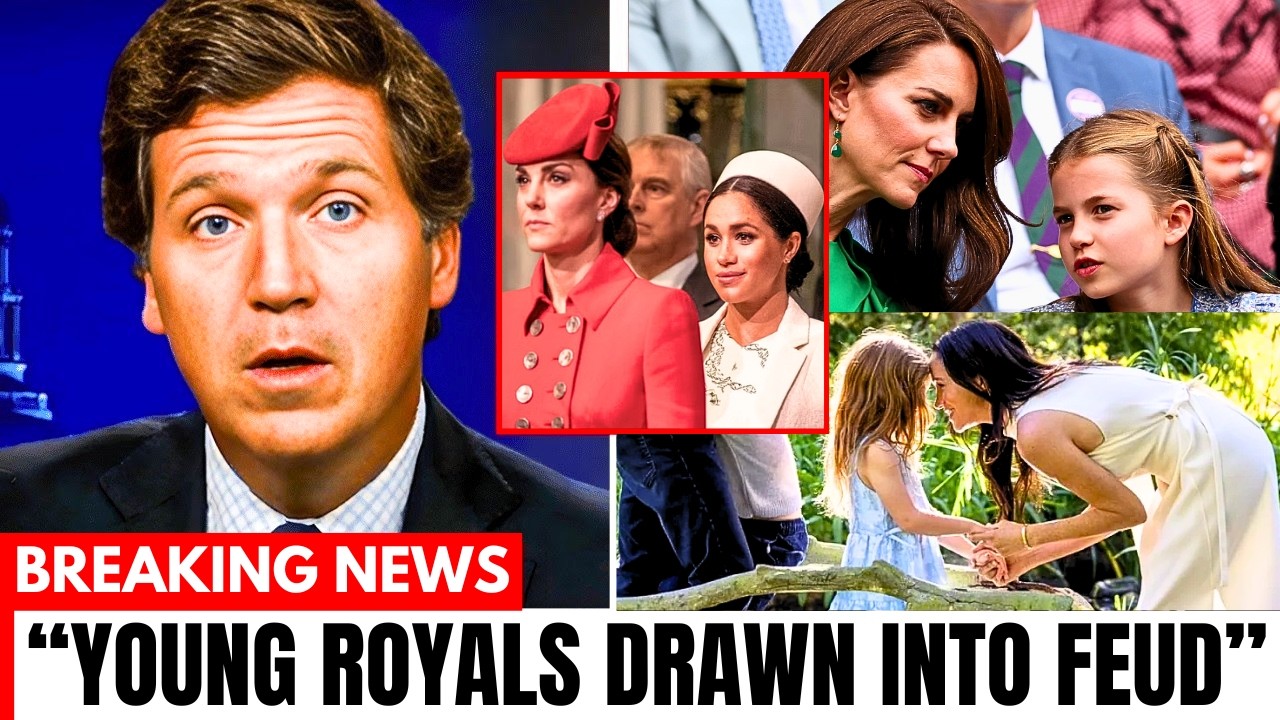
Both Princess Charlotte, daughter of Prince William and Catherine, Duchess of Cambridge, and Princess Lilibet, daughter of Prince Harry and Meghan Markle, are still children. Though far too young to engage in royal politics themselves, their names and images have been pulled into heated debates, often used as symbols in the larger battle between supporters of the two family branches. The fact that two young princesses are caught in the crossfire speaks to the intensity and reach of these divisions. Their contrasting family dynamics have increasingly become a proxy battleground for public loyalty and personal grievance.
The divisions between royal family loyalists trace back to long-standing differences in support for various branches of the monarchy. Over the years, segments of the public have aligned themselves strongly either with the Sussexes or the Cambridges, creating factions that often disagree sharply on issues of royal conduct, tradition, and modern values. These loyalties are not merely about favorite individuals. They reflect deeper sentiments about how the monarchy should evolve in the 21st century.
What began as mild rivalries have hardened into fervent camps, with social media and news cycles amplifying the split. The antagonism between these groups intensified notably after Prince Harry and Meghan Markle stepped back from official royal duties, marking a clear shift in public perception and family dynamics. Supporters of the Sussexes have often praised their stance on mental health and calls for modernization, while their critics, including many Cambridge loyalists, frame their actions as divisive or self-serving. One royal commentator noted that when Harry and Meghan’s role as senior royals was important to the royal family, the queen needed that support.
There was a sense that they were being let down by Harry and Meghan. Since then, debates have spilled out from royal watchers into broader discussions about race, media treatment, and privacy, making the conflict all-encompassing. This deep-rooted partisanship means that any public remark or action by family members or supporters risks igniting further disputes. At the heart of the royal loyalists’ feud lies the intense rivalry between supporters of Prince Harry and Meghan Markle and those backing Prince William and Catherine.
This split embodies contrasting visions of what the monarchy should represent and how it should engage with the modern world. The Sussexes symbolize a break from tradition with their outspoken approach and social activism, while the Cambridges represent continuity and dedication to established royal protocols. This clash has created a fault line that extends far beyond palace walls. The rivalry has been further inflamed by personal revelations and public interviews, fueling suspicion and mistrust on both sides.
The media’s role in sensationalizing differences has made reconciliation harder, as each faction’s supporters interpret events through their own lens of loyalty. This entrenched division has sometimes overshadowed the family’s collective responsibilities, creating a fragmented image of the monarchy at a time when unity is often needed. The visible loyalty battles have increased pressure on every royal family member, especially the youngest, who become reluctant symbols in this struggle. Social media has become a powerful stage where the feud plays out with relentless intensity.
Platforms like Twitter and Instagram allow supporters of both camps to voice their opinions instantly, often fueling conflicts with viral posts, memes, and heated exchanges. This digital battleground strips away the usual decorum that surrounds the royal family, making even the youngest members indirect targets of online debates. One fan account posted, “Where are Willie and Kate’s demonic followers who spent the whole week bullying a four-year-old for her hair? ” while sharing a picture of Charlotte.
The speed and breadth of social media have made private family matters public, escalating disputes far beyond traditional news outlets. The accessibility of these platforms also means that misinformation and exaggeration can spread quickly, complicating efforts to clarify or calm tensions. Royal experts and insiders frequently warn that distortions found online distort the reality of family dynamics. Yet, the fervor among fans seldom abates.
Followers often frame narratives through personal biases, interpreting events as triumphs or attacks depending on their loyalties. For Princess Charlotte and Princess Lilibet, this means their images and perceived roles get caught in a crossfire they cannot influence, making the digital age a uniquely challenging environment for youthful royals. The ongoing feud has cast a complex shadow over the royal family’s public image, complicating how the institution is viewed both at home and internationally. Traditionally, the monarchy has relied on unity and dignity to uphold its standing, but the visible divisions among supporters now threaten that cohesion.
When young royals become points of contention, it raises concerns about the innocence of the family’s future and whether the institution can maintain an untarnished legacy. These fractures challenge the careful balance between public fascination and respect that the monarchy must sustain. Public opinion is increasingly split, mirroring the internal rivalries reflected in loyalist camps. Some see these divisions as a sign the monarchy is out of step with modern values and transparency, while others view them as a natural outcome of inevitable change and generational shifts.
For the younger royals, this means growing up under a spotlight fraught with expectations and challenges, where even childhood innocence can be politicized or weaponized. As the public narrative twists and turns around the youngest generation, the monarchy faces the difficult task of steering through turbulent waters to preserve its future and legacy. Looking ahead, the persistence of such rivalries signals a pressing need for transformation within the institution. The monarchy faces growing calls for transparency and modernization, but its success will depend on reconciling divided loyalties among fans and within the family itself.
The younger generation, including Charlotte and Lilibet, will inevitably be influenced by the legacies of this turbulent period. Their upbringing and public roles may become focal points for either healing these rifts or further reinforcing divisions, depending on how the royal family navigates these competing pressures. Royal family divisions have never seemed so personal or so public, especially when innocent young royals are pulled into the spotlight.
This story serves as a reminder that tradition and modernity often clash in unexpected ways.