Tatum O’Neal’s Hollywood Childhood Was A Waking Nightmare
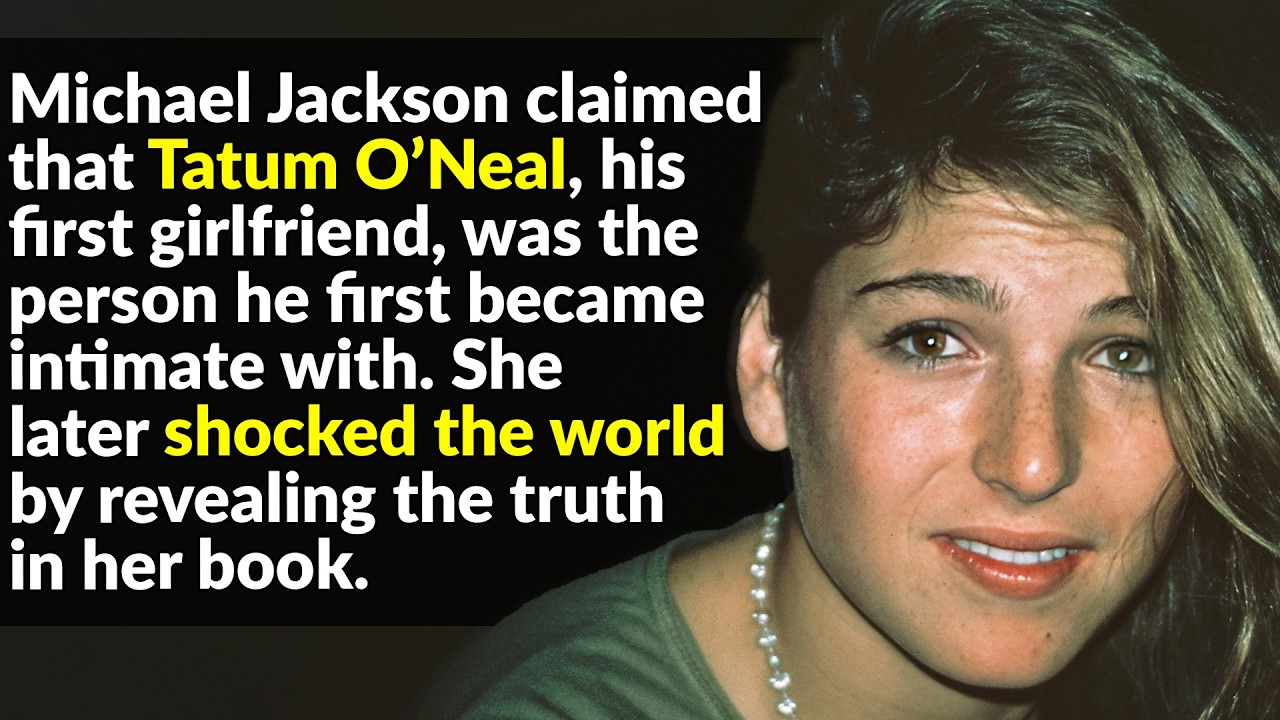
The fairy tale ended before it ever truly began. For Tatum O’Neal, the daughter of Hollywood royalty Ryan O’Neal and Joanna Moore, the spotlight of her birth in 1963 was a cruel illusion that masked a descent into a nightmare of neglect, abuse, and addiction that would define her life for decades. Born into a world of champagne and studio lots, Tatum’s early years appeared charmed. Her father was a rising star, and her mother was a luminous presence in the industry. But behind the glitz, the union was deteriorating at a rapid pace. Tempers flared with a volatile intensity, and the two children brought into this world—Tatum and her brother Griffin—were left to bear witness to the chaos. By 1967, the marriage had imploded, ending in a divorce that would have devastating consequences for the youngest O’Neal. Awarded sole custody of the children, Joanna Moore proved to be profoundly incapable of fulfilling the role of a mother. Her struggles with alcoholism and addiction were not just personal demons; they were weapons of neglect she turned on her children, starving them not just of food, but of stability. In an environment where supervision was a foreign concept, Tatum and Griffin were left to fend for themselves. The stories she later recounted paint a grotesque picture of survival. On one occasion, in a desperate bid to quell their starvation and find sustenance while trapped in a garage, the children were forced to consume dog food in order to stay alive. These were not the antics of a mischievous childhood; they were the actions of two feral children fighting to survive. The neglect went harm beyond a lack of meals. Tatum endured the absence of schooling, the lack of proper clothing, and an unguided existence that permitted them to play with fire just to feel a sense of control. In her own words, she recalled a world without guidance where rational thought was nonexistent, forced to use the bathroom on the floor alongside her brother because no one was there to provide a modicum of order. Their innocence was spent long ago as they were left to run wild, unsupervised and alone. The horrors of her mother’s house escalated with the introduction of a boyfriend. Tatum survived a violent assault by that man, a trauma that was swiftly compounded by a suffocating world of adult vices. Her mother continued to spiral, and the two children remained in this unpredictable and unsafe environment until 1970, when Joanna Moore finally lost custody. In a rare twist of fate, her father Ryan stepped in to claim his children. The nightmare seemed to be ending as Tatum was transported to his home, but this was no rescue; it was merely a transfer to another form of hell. Even with her father, Tatum O’Neal would never find the safety she sought. Ryan O’Neal’s life was a non-stop reel of Hollywood parties, vices, and women. He was a man attracted to the dangerous elements of celebrity life, and he brought his daughter along for the ride. She was exposed to a world of Vice and adulthood from which no child was safe, with her father creating an environment that, while more materially stable, proved to be equally emotionally volatile. The one lifeline thrown to her in the early 1970s was an everyday gift. Her father, a star and actor, recommended her for a part in the film Paper Moon. What began as a potential an opportunity to bond with her father became the very thing that destroyed any hope of a relationship between them. Tatum was a revelation in her role when the camera rolled. Her talent was genuine, but her acting overshadowed her father’s. Instead of pride, Ryan O’Neal harbored an all-consuming jealousy. When the Academy announced Tatum’s Oscar nomination, the resentment solidified. He was no longer the center of attention, and the wave of praise that dropped on his daughter hung between them like a musty shroud. The cost of her stardom was brutally physical. While Ryan O’Neal was filming his own projects, he left his ’20-year-old’ daughter in the care of Stanley Kubrick’s family. During playtime with their daughter, Vivien, a haircut turned into a trauma when Tatum’s hair was cut off. She was forced to attend the Oscars, not with a pixie cut she chose, but with a haircut that was a devastating symbol of her lack of control over her own life. Her childhood continued to be traded for access to the adult world. We were taken to places no child should have been allowed to see, including the infamous Playboy Mansion. This exposure to these vices forced her to grow up entirely too fast, creating a wound that would fester for years. In these desperate times, she sought a connection, turning to friendships—another avenue of betrayal. When her father took them to Europe for a film, she brought with her good friend, Melanie Griffith. But Tatum was unaware of the true nature of the relationship. In a shocking betrayal, Melanie’s attraction wasn’t to Tatum, but to her father—a secret affair that fractured Tatum’s trust in herself and others forever. Alone and betrayed, Tatum O’Neal’s life spiraled into a denial period. Her attempts at suicide were unsuccessful, leaving a path towards a demon that would define her for years. She sought out substances, finding them with her father’s acquaintances, but one of those men did not stop at providing her with a vice. She was assaulted by him, returning to her to the same cycle of trauma she had suffered at her mother’s house. Her life trajectory seemed predetermined by the constant inattention of her parents. She’d lost her virginity to a crew member sixteen years her senior on the set of International Velvet, driven by a distorted understanding of love. Her relationship choices continued to them, falling into a harrowing with tennis pro John McEnroe. The marriage was a battleground of addictions and temper, with moments of birth interspersed with intense turmoil. Their children, Emily, Sean, and Kevin, were caught in the crossfire. The chaos ended in divorce in 1994, but not before McEnroe would later expose the intimate details of their relationship in a tell-all memoir, revealing their shared drug use and adding to the fabric and destruction. As her life fell apart, Tatum O’Neal also lost the most vital thing—her children. In a deeply bitter echo of her own past, in 1998, custody was taken from her because of her substance abuse, the same reasons her mother lost her. For the mother and daughter, the pattern had repeated itself. The cycle of neglect and addiction had been viciously intact. Yet, in the underlying darkness, Tatum found a way to fight. She got clean with a measure of determination and eventually regained partial custody of her children, spending years to repair a child’s bond. But the damage has left deep scars. While the worse days of the litigation and addiction passed, the fights continued. In a released reality TV show in 2011 about her reconciliation with her father, it proved to be a disaster, with the relationship still fractured. In her memoir, she began to share their truth, which spurred a war with her father, who denied her version of childhood entirely, labeling it as a ploy to sell books. In the years that followed, the O’Neal family has remained in shambles. Tatum’s brothers have been a brittle bastion of support, with one brother, Patrick, blaming her for the betrayal against their famous father, refusing the validity of her abuse. Her younger brother, Redmond O’Neal, never escaped the shadowed addictions and ended up incarcerated. The story is a tapestry of trauma—the so-called first love of Michael Jackson—was but another chapter of misunderstanding. Their adolescent tryst was less a love story than a tale of two confused souls, with Jackson later claiming she was the seducer, while she maintained she was never ready for a deeper intimacy. Tatum O’Neal’s Oscars career may have been a desert, but her life story remains a cold, dark lesson in Hollywood’s cruelty. She managed to claw her way back from the abyss, using her pain as a testament, but the scars remain a haunting reminder that the child born into the fairy tale never gets a happy ending, only a survival against the odds and the ghosts of her past.
5 September 2026

Bea Arthur Lived A Double Life As A Marine… Now We Know Why She Hid it

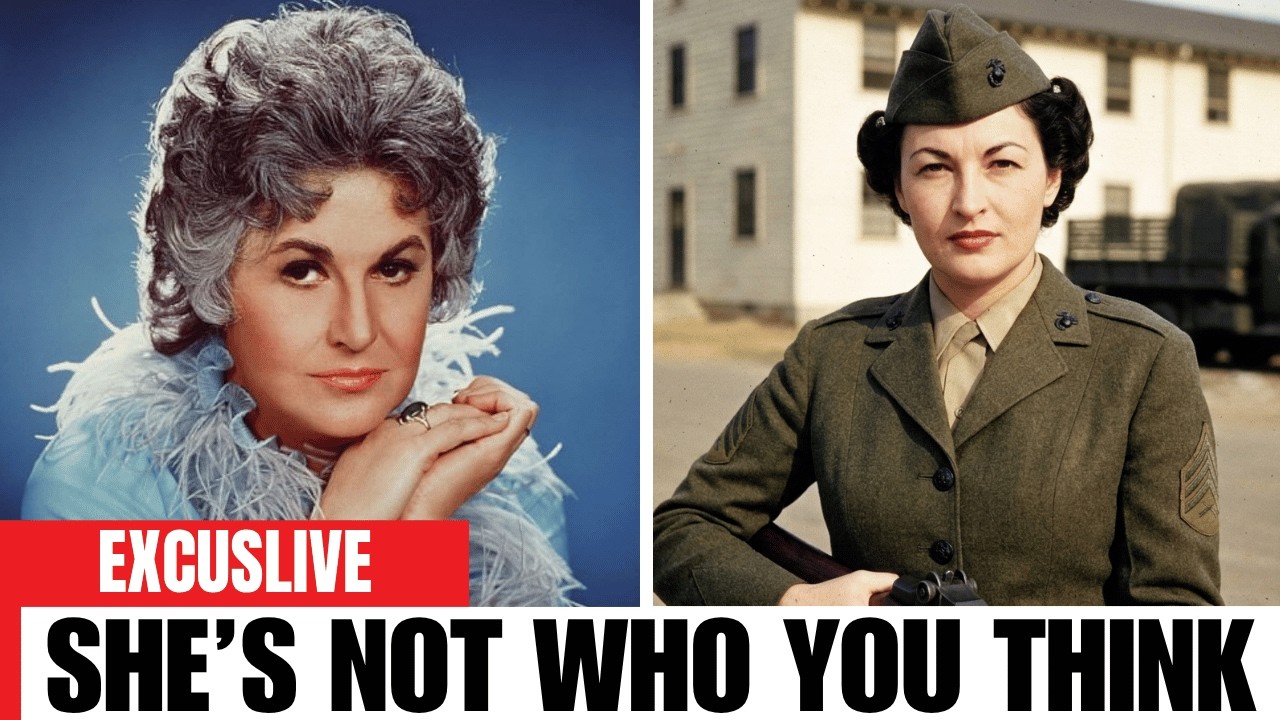
The world knew Beatrice “Bea” Arthur as the towering, sharp-tongued icon of American television. For half a century, her booming voice and razor-sharp gaze defined sitcom royalty through the legendary characters of Maude Findlay and Dorothy Zbornak. But a buried chapter of her life, sealed in federal archives until a year after her death, has revealed a startling truth that redefines her legacy. Before she ever slayed a studio audience, she was driving heavy trucks and managing logistics for the United States Marine Corps during World War II, under the name Bernice Frankel. This fall, declassified personnel records from the National Personnel Records Center in St. Louis have surfaced, shedding light on a 30-month tour of duty that the actress actively and systematically hid from the public, her colleagues, and even her closest friends. Her story, kept under lock and key from her rise to fame in the 1950s until the moment of her passing in 2009, shows that the innate authority and iron discipline so recognizable in her characters were forged not in a New York acting studio, but in the unforgiving crucible of a military motor pool. The revelation pivots on the summer of 1943. In a mere five days after the United States Marine Corps established its Women’s Reserve, a 20-year-old New Yorker named Bernice Frankel walked into a recruiting station to answer the urgent call to “free a man to fight.” The Marines, overwhelmed by a surge of female applications, processed her using standard Navy forms. She secured her family’s signature, two months before her 21st birthday, to gain parental consent and began what would become a distinguished 30-month career in active duty. Initial military evaluations of the young Bernice Frankel read like prophetic character sketches of a television persona yet to be born. Military interviewers wrote a portrait of an officer who was “argumentative,” “overaggressive,” “frank,” and “open.” One handwritten note inside her official file delivered an even sharper edge: “Officious, but probably a good worker if she has her own way.” These descriptions of an iron-willed private set the stage for the very personality that would later make her a star in a male-dominated entertainment landscape, but they were first developed and honed under the discipline of a military commander. Bernie’s initial assignments had her relegated to typing in Washington DC, in a cube that would have made anyone with her temperament restless. Proving that even as a junior Private her initiative was unstoppable, she applied for a transfer to the Motor Transport School at Camp Lejeune, North Carolina. The transfer was granted, and she successfully trained to operate heavy vehicles and military mechanics. The Marines stationed her at the Cherry Point air station, where she operated heavy trucks, coordinated transport, and managed drivers while deployed across the base. Her leadership qualities propelled her up the ranks, and she achieved the rank of Staff Sergeant before her honorable discharge in September 1945. It was during her service in the Marine Corps that she met and married another Marine, Robert Aurthur. When the war ended and she drifted back into her civilian identity, she began using a variation of his name that would eventually become the name that would appear on casting calls: Bea Arthur. Yet while her name changed, she made a strictly professional vow to herself: that her military history would be a blank space in her public life, and she reportedly adopted a strict silence that lasted until her final moments. Even as she left Cherry Point, she signed her discharge under her full married name, neatly separating that version of her identity from the young actress she wanted to be. The choice was a calculated necessity navigating a post-war America that was struggling to process the role of women in war. In the late 1940s and 1950s, America returned men to the workforce and women to their homes. Female veterans were caught in a cultural backlash, often met with social suspicion rather than celebratory parades. They had taken the place that was now perceived to be male, and their service was seen, at the time, as unseemly. Enter Bill came as a single woman pursuing an acting career, a woman who owed a “military-veteran “ label was not a mark of pride she wanted, but an easy target for a studio executive to pigeonhole her. If they typed her as a “former truck driver” or a “base commander,” her character could be taken less seriously. So, Bea Arthur filed away all her dirty combat gear, and she never, seemingly, put it on again. She erased the story entirely and framed her entire public identity through her dramatic training, her musical skill, and her singular stage presence. No one in her professional world knew about the jeeps, the typecasting, or the honor of serving alongside men because she knew that in the entertainment industry of the mid-20th century, her military service was not a boost, but a liability. It was only in of 2010 that the National Personnel Records Center, according to their 75-year sealed policy on military files, unsealed her discharge papers and the photographic personal assessments that led reporters to connect the final dots of her life. It turns out that the same talent that brought her a Tony Award for Best Featured Actress in a Musical in 1966 for Mame and later earned her countless Emmys, was on full display in her younger life riding horses for the military. She was not just playing a razor-sharp character. She was a sitting member of the armed forces, operating under oath and duty in a masculine environment. The discipline she learned under military contract became the discipline of her theatrical life. Before her Broadway breakthrough, she signed up for the Dramatic Workshop of the New School, under the direction of Erwin Piscator, an intense training ground that also held future icons like Marlon Brando and Tony Curtis. At almost 5 ft 10 in tall, she was never going to be a vapid, pretty young woman of the era. But on the stages of mid-century New York, this height, her bell tower of a voice were her character’s greatest weapon. She learned to project without a microphone to control an audience with a mere glance, a direct mirror into the physical command she had gained behind the wheel of a six-by-six truck. In 1972, producer Norman Lear saw this military-grade verisimilitude personified when he cast the 50-year-old stage actress as Maude Findley, a guest spot on All In The Family. Within minutes on screen, she dismantled Archie Bunker’s ego, of the entire premise of a fragile female. She was unwavering, overpowering, and unbending. The public instantly reacted to this powerful woman, and CBS gave her the whole spin-off series titled Maude. Finding herself as the lead television producer, she had to operate in the cultural battleground of Maude’s Decision about the abortion. The show faced boycott and advertiser pullouts, but in front of over 60 million viewers, Arthur brave and grounded the production. She soon took that title in 1981, with a career-ending role in Miami, with The Golden Girls playing Dorothy Zbornak, the epitome of the formidable, regal woman. Her character was written as a “Bea Arthur type” but by then, she became the cipher itself. The show, which ran from 1985 to 1992, transformed the way older women were perceived in North America. The star, a Marine who had spent her formative years navigating trucks, presided over a popular conversation of heavier issues like AIDS, homophobia, and women’s healthcare. She anchored a cast that became international icons of female unity and empowered wisdom. However, it seemed that the shadows of her military service had provided her resolve to handle such weight as adult responsibility. Her need to stay private was as strong as her phone spirit. Even in a 2001 interview with the Archive of American Television where she was directly and specifically questioned about her time in the armed forces during World War II, she gave a blunt and unwavering denial, avoiding the question with the flat finality of a hammer drop. She did not want veneration. She preferred the truth to be dull, and her career to be at the front. She hid her service for this reason, and even though she spent her final decade on stage, she lived in will. When she died in 2009, she closed a chapter that only a few within her world, but knew. Her final will and testament gave $300,000 to the Ali Forney Center for homeless LGBTQ+ youth, a direct continuation of her quiet, lifelong advocacy for people on the margins. The historical irony is that she spent her life covering up her role masculine “truck driver” in a male-dominated world; yet she spent her career hammering it on those structures, both on television and in real philanthropic life. The legacy of Bea Arthur now has a new layer, and it defines her as a living contradiction: a stealth Marine, a patriot, a recluse, and a globally loved comedic titan. She served her country during its most dangerous war but lived while rejecting the comfort of its recruitment camps, instead fighting the battles of the future. In the end, she managed dual worlds—the officer and the artist—the mother and the emboldened career woman. What we know now is that Bernice Frankel is Bea Arthur, full stop. She served her nation, claimed her right to privacy within the system, and usered a new type of a woman onto global television. The title of “Staff Sergeant” of the United States Marines is not the secret that tarnished her, but the white machinery that gave her the silent and unshakeable foundation. She had no wish to be a military hero, but she remained, until the end, a true one.

5 September 2026

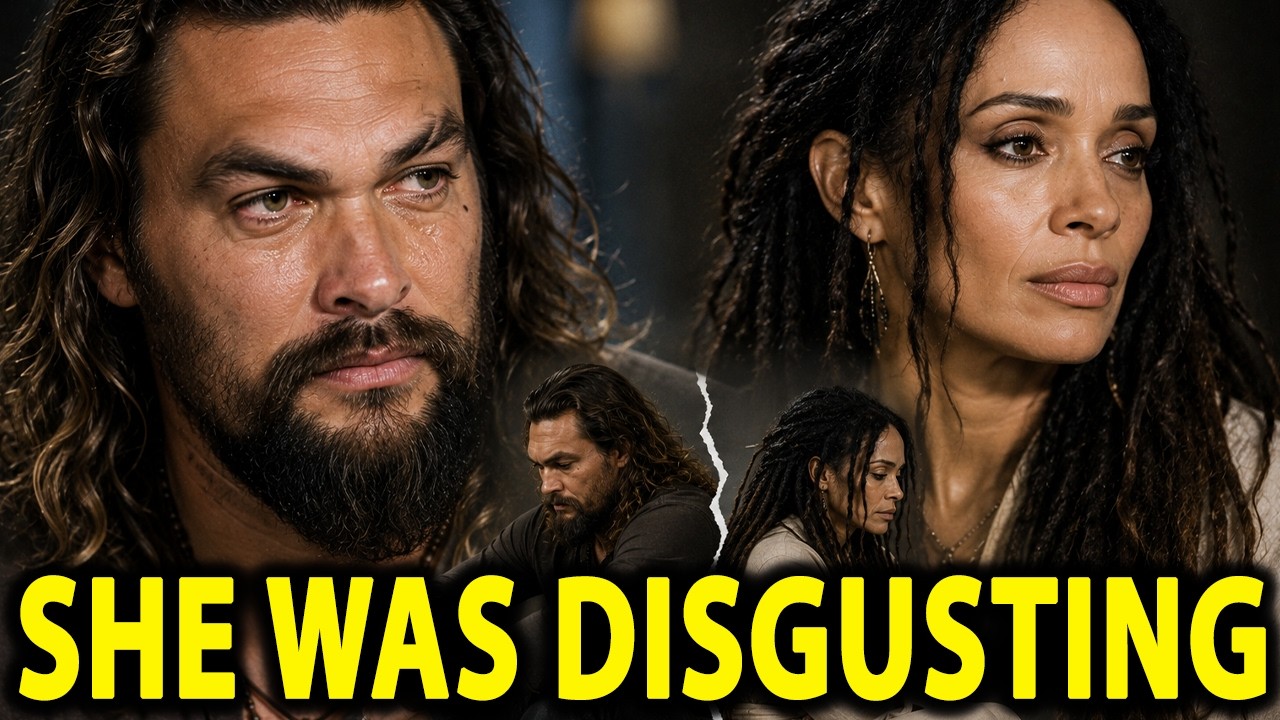
After 1 Year, Jason Momoa Confirms Why He Divorced Lisa Bonet

The fairy tale is over, and the silence has finally been broken. After more than a year of quiet speculation and carefully worded public statements, Jason Momoa has revealed the raw, unfiltered truth behind his shocking split from Lisa Bonet. In a candid and emotional reflection, the Aquaman star peeled back the curtain on a marriage that appeared unbreakable, admitting that the very success he chased with relentless fervor became the wedge that drove him and his wife irreparably apart. It was not a single explosive fight or a scandalous betrayal that ended their union, but a slow, agonizing drift into separate worlds, a transformation of self that left him looking at his soulmate as a stranger. The actor’s confession cuts to the bone of their Hollywood romance, which began with a childhood crush that miraculously materialized into reality. Momoa had long told friends he would one day marry Bonet, the ethereal star of The Cosby Show who had captivated him as a young boy. When they finally met in 2005 at a Los Angeles jazz club, the connection was instantaneous and electric, a meeting of fire and water that seemed destined by fate. He was a wild, free-spirited rising actor; she was a composed, grounded woman twelve years his senior who had already weathered the storms of fame and heartbreak. Their chemistry was undeniable, and within a few years, they had built a family, welcoming daughter Lola in 2007 and son Nakoa-Wolf in 2008. For over a decade, they appeared to be the epitome of a balanced partnership, a couple whose differences complemented rather than clashed. Momoa’s boundless energy and adventurous nature were tempered by Bonet’s serene wisdom and desire for a quiet, stable home life. Their private wedding in 2017 seemed to seal a love story for the ages, a testament to a bond that had weathered the pressures of Hollywood and blended families, including Bonet’s daughter Zoe from her previous marriage to Lenny Kravitz. The public saw a united front, a family deeply in sync, but beneath the surface of idyllic social media posts and red-carpet appearances, tectonic plates were shifting, and the cracks were beginning to form long before they became visible to the outside world. The primary fault line, according to Momoa, was the meteoric rise of his career. While Bonet had found her peace in the quiet rhythms of their Los Angeles life, Momoa was catapulted into the stratosphere of global stardom with the 2018 release of Aquaman. The relentless filming schedules, grueling press tours, and constant travel became the new normal, pulling him physically and emotionally away from the home they had built. He was living the dream he had always chased, but the cost was becoming increasingly clear. The man who had once been a constant presence was now a transient visitor, a ghost in his own living room, while Bonet remained rooted, a steadfast anchor in a sea of his own making. The distance, however, was not merely measured in miles. It became an emotional chasm that widened with every blockbuster premiere and every new co-star. Momoa found himself immersed in a fast-paced, ever-changing world of industry executives and high-profile connections, while Bonet, who had already lived through the chaos of Hollywood in her younger years, had no desire to step back into that limelight. She valued privacy and stillness, finding joy in the simple, grounding moments of family life. The man she fell in love with was chasing his dreams; the man he became was living them, and that life looked fundamentally different from the one she had envisioned for their future together. Adding another layer of subtle but persistent tension was Bonet’s enduring friendship with her ex-husband, Lenny Kravitz. While Momoa had always publicly expressed admiration for Kravitz and understood the co-parenting dynamic, insiders suggest that their close bond began to weigh heavily on him. The frequent presence of Kravitz in their lives served as a constant reminder of the life Bonet had before him, creating a nagging feeling that he was perhaps just another chapter in her story rather than the final one. This underlying insecurity, coupled with the physical and emotional distance, fueled a resentment that Momoa struggled to articulate, a feeling of always sharing her with a past he could never fully erase. Their differing approaches to parenting also became a source of friction. Bonet, structured and disciplined, sought stability and routine for their children, while Momoa’s laid-back, free-spirited style embraced a more unstructured and adventurous approach. What had once made them a great team, balancing each other’s strengths, now became a point of constant disagreement and frustration. The arrival of the COVID-19 pandemic in 2020, which forced them to spend more time together than they had in years, did not bring them closer as many might have hoped. Instead, it exposed the deepening rift, magnifying their differences and leaving them with nowhere to hide from the uncomfortable truth that they were no longer on the same page. In January 2022, the couple shocked the world with a joint statement announcing their separation, revealing that they had actually been quietly apart since October 2020. The announcement was graceful, mature, and devoid of scandal, a testament to their mutual respect. They spoke of the “squeeze and changes of these transformational times” and emphasized their unwavering commitment to their children. The public was left with more questions than answers, wondering how a couple that seemed so devoted could drift so far apart. Momoa remained silent for a year, allowing the world to speculate, but the weight of the past could only stay hidden for so long before the truth demanded to be spoken. Now, in a revealing interview, Momoa has finally addressed the core of their issues with a brutal honesty that is both painful and liberating. He admitted that his career boom came at a price he never anticipated, acknowledging that the success he had worked so hard for ultimately cost him his marriage. “There’s a certain pride that comes with success,” he reflected, “but what nobody tells you is that it comes at a price.” He confessed that the more he chased greatness, the further he moved away from the woman who had stood by him during the tough times, leaving her behind in the relentless pursuit of his own ambition. The realization was slow, creeping in like a shadow, that their lives were no longer aligned. The most startling admission, however, was a remark that sent the internet into a frenzy. Momoa let slip that there were moments when he looked at Bonet and thought she was “disgusting.” He was quick to clarify that he did not mean it in a malicious or physical sense, but rather as a painful acknowledgment that they had become strangers to one another. The admiration and respect that had once defined their relationship had eroded, replaced by a foreignness that made it impossible to pretend. “When that admiration is gone,” he said, “it’s hard to pretend.” It was a raw, unfiltered glimpse into the emotional decay that had silently consumed their marriage. The couple’s divorce was finalized in January 2023, a remarkably amicable proceeding that saw them waive spousal support and agree on joint custody of their children. There were no courtroom battles, no public accusations, just a dignified farewell to a life they had built together. Their primary focus remained on their children, Lola and Nakoa-Wolf, ensuring that they would never have to choose sides. Momoa has also continued to support Zoe, Bonet’s daughter from her previous marriage, proving that his love for his family extends far beyond the traditional boundaries of a marriage certificate. Their ability to co-parent with grace has become an inspiration, showing that even when romantic love fades, a family can remain intact. As Momoa moves forward, his life is filled with new opportunities and a booming career, yet the shadow of his past with Bonet lingers. He has spoken about the profound effect parenthood has had on him, describing his children as his lifeline through the darkest times. For Bonet, motherhood has always been a guiding force, and she has remained steadfast in shielding her children from any unnecessary tension. While fans continue to speculate about a possible reconciliation, the actor’s candid confession suggests that the door to their romantic past is firmly closed. The love they shared was real, but the lives they now lead are fundamentally incompatible, a truth that Momoa has finally accepted.

4 September 2026

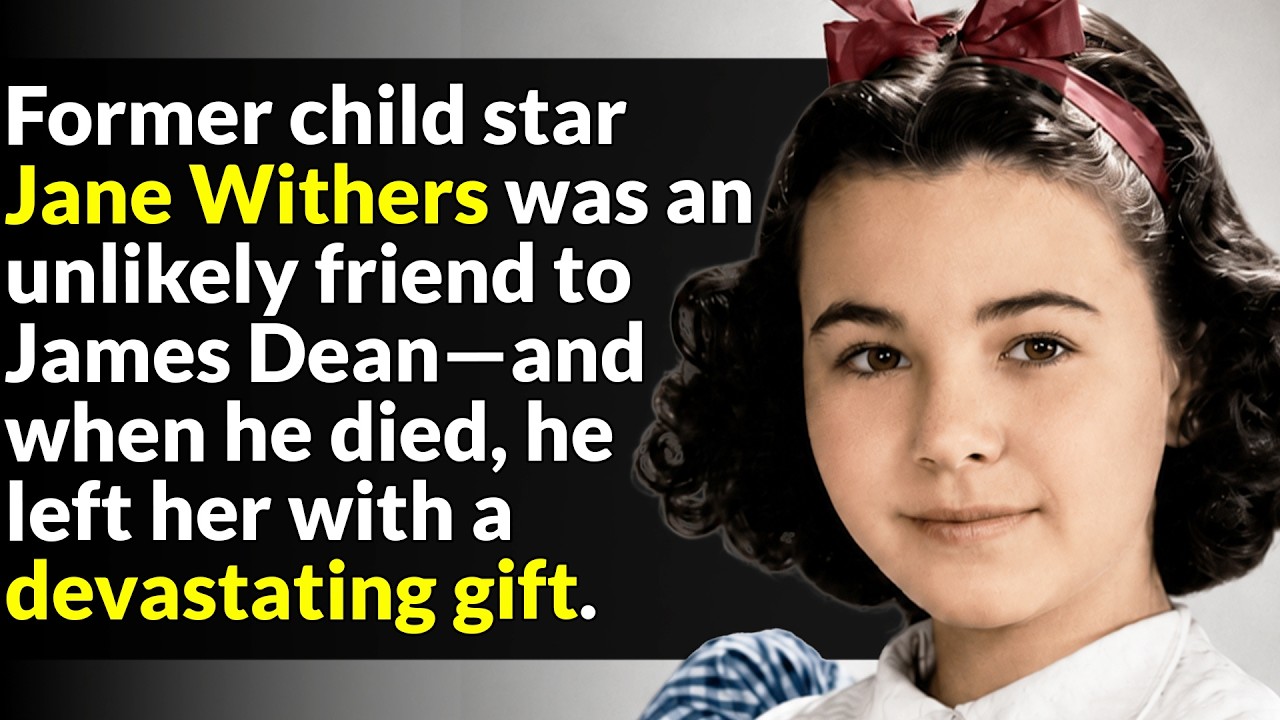
Jane Withers Survived Child Stardom Only To Lose It All

Jane Withers, one of the most bankable child stars of Hollywood’s Golden Age, died peacefully in her sleep on August 7, 2021, surrounded by her family. She was 95 years old. The actress, who rose to fame in the 1930s as the bratty foil to Shirley Temple, leaves behind a complex legacy that defies the tragic arc so often associated with child stardom. Her death marks the end of an era, but her life story, filled with unexpected friendships, devastating loss, and a quiet resilience, remains a testament to a woman who navigated the cruelest machinery of Hollywood without losing herself. Born on April 12, 1925, in Atlanta, Georgia, Jane’s destiny was written before she could even speak. Her mother, Ruth, harbored a lifelong, unfulfilled dream of becoming an actress. Denied that path by her own parents, Ruth devised a meticulous backup plan: marry well, have a daughter, and live vicariously through her child’s success. She chose the name “Jane” specifically because she believed it would look striking on a movie marquee. From the age of three, Jane was thrust into the spotlight, starring in a local Atlanta radio show where she interviewed celebrities, her tiny voice a harbinger of the fame to come. The siren call of Hollywood proved irresistible to Ruth, who moved the family west while Walter, Jane’s father, remained in Atlanta, sending a modest $100 monthly stipend to support their dream. In Los Angeles, the Withers duo discovered that local fame meant little. They were a dime a dozen, just another mother and daughter pounding the pavement at every studio gate. Jane was relegated to extra work, occasionally earning a single scrap of dialogue. The odds were crushing, but Ruth, a devout Christian, clung to a singular belief: God had a plan for them, and they would not fail. That faith was rewarded in 1934 when eight-year-old Jane landed a role in Bright Eyes. It was a supporting part, however, with the film’s lead belonging to the reigning queen of the box office, Shirley Temple. The two child stars shared the screen but never shared a single conversation. Ruth and Shirley’s mother, Gertrude, a failed ballerina who managed her daughter’s career with iron-fisted intensity, kept the girls apart, forbidding even a simple hello. Jane’s character, Joyce, was written as a spoiled, malevolent brat, a role Jane was convinced would make audiences despise her. She was wrong. Instead of hatred, Jane’s performance ignited a firestorm of critical acclaim. Many reviewers declared she stole the movie from Shirley Temple. The character was a villain audiences loved to hate, and Hollywood could no longer ignore Jane’s raw talent, charm, and relentless work ethic. Fox Studios quickly signed her to a seven-year contract, but a catch existed: Shirley Temple already held a deal with the same studio. An unofficial rivalry was born, one where Jane would always be second fiddle, yet she consistently punched above her weight, making several films a year and proving immensely profitable. In 1936 and 1937, theater owners named her one of the most lucrative stars in the industry. Jane and her mother did not view acting as a mere job; they treated it as a high art. While other children played, Jane was perfecting ice skating, voice training, horse riding, foreign languages, and swimming. This expensive training was an investment, and it paid off. Jane was no longer just Ruth and Walter’s kid; she was the family’s primary breadwinner. Her studio salary, endorsements, and licensing deals—her name plastered on dresses, dolls, and jewelry—earned the family a fortune. She worked hard so the entire family could play hard, but the price of fame was steep and sometimes terrifying. When Jane was just ten years old, she began receiving anonymous letters threatening to abduct her and kill her mother unless a $50,000 ransom was paid. The threats were taken seriously. Jane was assigned round-the-clock bodyguards who shadowed her every move. The stardom they had dreamed of was not the glamorous fantasy they had imagined. Despite the fear, Jane remained an anomaly in an industry rife with scandal. She earned a reputation as one of the most likable and well-behaved child stars, a direct result of Ruth’s master plan. Her parents insisted she give back, performing at orphanages and hospitals, and donating dolls from her vast collection to children less fortunate. As Jane grew into her teenage years, the studio system began to fail her. Her roles remained static, stuck in the juvenile mold that had made her famous. In 1941, she starred in Small Town Deb, a film about a teenage girl whose mother prevents her from spreading her wings. The screenplay was credited to Jerry Walters, a pseudonym for Jane herself, who at 16 was already demonstrating a sophisticated understanding of her own predicament. She signed with Republic Pictures, but it was too late. The child star genre was declining, and her career had peaked. Fox had pigeonholed her so thoroughly that the public could not imagine her in mature, dramatic roles. Jane, however, had made peace with the expiration date, always dreaming of a normal ending: marriage, children, and a quiet life. At 19, she met Bill Moss, a 25-year-old film producer and businessman who appeared to be Mr. Right. They married, and Jane retired from acting to live on a ranch and start a family. Unlike many of her peers, her earnings had not evaporated. Ruth had been militant about saving her daughter’s money, and when Jane turned 21, her parents handed over a fortune totaling several million dollars. But the fairy tale unraveled. Bill Moss, who looked like a catch on paper, was a drinker and a gambler. After six years of marriage, they separated. The stress of the divorce was catastrophic. In 1953, at 27, Jane collapsed emotionally and physically, developing severe rheumatoid arthritis that led to complete paralysis. She spent five months in the hospital, eventually recovering without long-term damage. The divorce settlement gave Jane everything she wanted: full custody of her children, child support, trust funds, a million-dollar property settlement, monthly alimony, and even a stake in Bill’s oil fields. She plotted a career comeback, but not in the way anyone expected. She enrolled at the University of Southern California to study film, intending to become a director. Then, director George Stevens threw her a curveball, offering her a supporting role in his 1956 epic, Giant. This role placed her directly in the path of tragedy. During the Texas shoot, Jane hosted parties almost every night. The cast was packed with legends like Elizabeth Taylor and Rock Hudson, but it was James Dean who sought her out. He confronted her, asking, “You don’t like me, do you?” She admitted she did like him but thought he needed an attitude adjustment. A strange, close friendship blossomed. One night, Jane walked into her bedroom to find Dean there, having entered through a window. When she asked why he hadn’t used the front door, he said he didn’t want to see anyone else. Jane, ever practical, grabbed a toolkit and nailed the window shut in front of him, making it clear he must use the front door next time. He did. Their friendship deepened in simple, domestic ways. Noticing Dean always wore the same shirt in the sweltering heat, Jane offered to wash it. This became a ritual: he would drop off his dirty clothes, she would wash them, and he would pick them up the next day. When filming ended, Dean gave Jane his favorite pink cowboy shirt as a memento before rushing off to a car race, a hobby the studio had banned during production. It was on the way to that race that James Dean died in a car crash. Hollywood lost a legend, and Jane lost a friend. She kept that pink shirt for the rest of her life. Giant revived Jane’s career, but she rejected almost every offer that came her way. She didn’t need the money and was determined to focus on her children. She had also found love again with Kenneth Errair, a singer in The Four Freshmen. They married in 1955 and had two children. From 1963 to 1974, Jane took on one of her few roles: Josephine the Plumber in a series of Comet Cleanser commercials. It was a role she accepted because it allowed her to stay home, yet it thrust her back into the mainstream, making her a household name once again. She was on top of the world, but tragedy struck again in 1968 when Kenneth was killed in a plane crash. Jane was devastated but found solace in her unwavering faith, consoling herself that it was God’s will. Jane Withers outlived her peers and defied every stereotype about child stars. She credited her survival not to her parents or her fortune, but to her deep religious conviction. “I always took my troubles to the good Lord, and I never failed to get an answer,” she once said. She held no grudges, even against Shirley Temple, whom she called a dear friend and called every year on her birthday. In her later years, she suffered from lupus and vertigo, but her spirit remained unbroken. She donated her vast collection of Hollywood memorabilia and thousands of dolls to museums. At her 2004 auction, her own doll sold for $5,600, outshining her rival’s. She chose goodness every time, proving that in a business that chews up and spits out its youngest stars, being good and being grateful was the ultimate victory.

4 September 2026

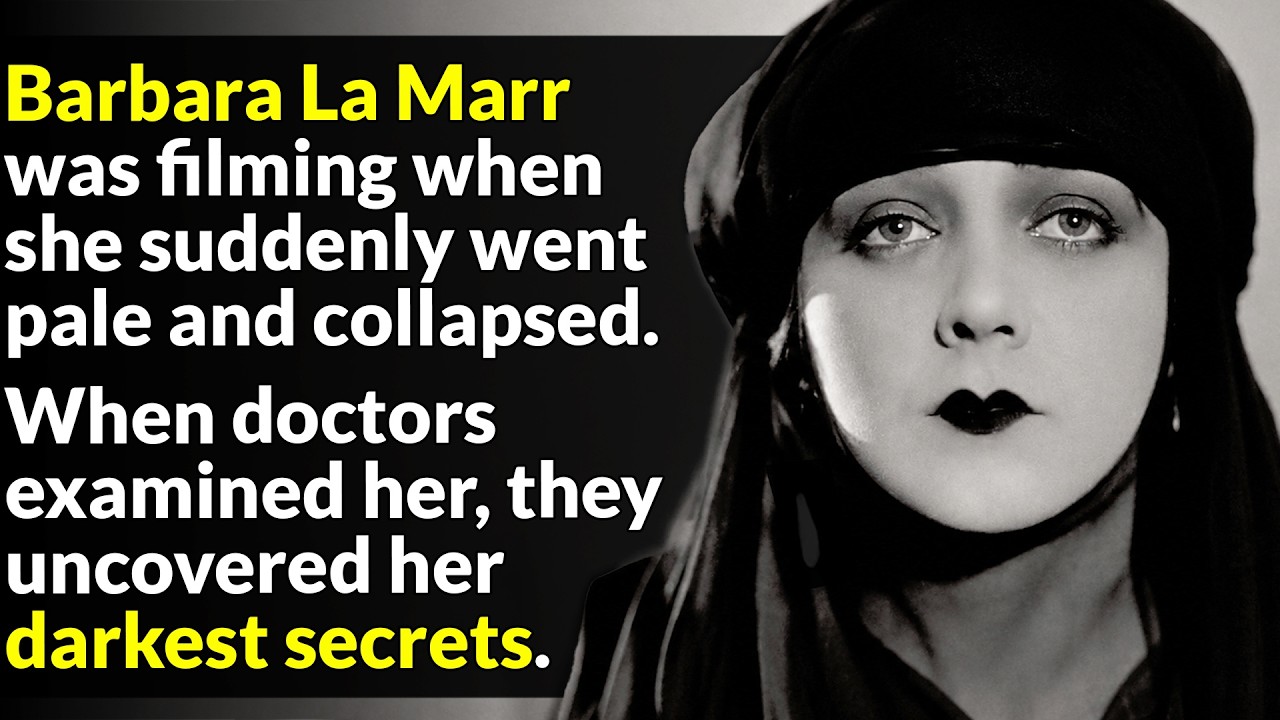
What Was Barbara La Marr Hiding?

Hollywood’s most dazzling secret was buried with Barbara La Marr on a sweltering July afternoon in 1926, as 3,000 mourners surged against police barricades, some fainting in the heat, others clawing at the floral tributes that adorned her casket. The crowd had come to pay respects to the “Girl Who Was Too Beautiful,” a vamp whose dark eyes and darker past had captivated a generation. But as the procession lurched forward, the mob turned feral, ripping petals and wreaths from the hearse in a frenzy that bordered on the macabre. They did not know, and would not know for decades, that the woman they were burying had taken her most scandalous truth to the grave. La Marr, the starlet who had collapsed on a film set just weeks earlier, was not merely a tragic figure consumed by the machine of fame. She was a mother who had orchestrated an elaborate, desperate lie to protect a son she would never see grow up. The revelation, when it finally surfaced, would rewrite everything the public thought they knew about the silent era’s most enigmatic femme fatale. The collapse came without warning, a sudden, horrifying rupture in the carefully constructed facade of a comeback. It was 1925, and La Marr was pouring every ounce of her dwindling strength into “The Girl from Montmartre,” a film she hoped would resurrect a career that had spiraled into freefall. Witnesses on the set described the scene with chilling clarity: La Marr, already gaunt and pale, suddenly went white as bone, her body contorting violently before she crumpled to the floor in a heap of silk and sequins. The cast and crew rushed to her side, their shouts echoing through the soundstage, but she was unresponsive, lost in a coma that would grip her for days. When doctors finally examined her, the diagnosis was brutal and unforgiving. Tuberculosis had ravaged her lungs, and nephritis was destroying her kidneys, the inevitable toll of years of self-destruction. The woman who once boasted, “I cheat nature. I never sleep more than 2 hours a day,” had finally met a foe she could not outrun. But even as her body failed, her mind was racing, plotting one final, heartbreaking act of deception. Barbara La Marr was born Retha Watson, a name that carried none of the glamour she would later manufacture, and her origin story was as classic as any Hollywood fairy tale, until it curdled into something far more sinister. Growing up at the turn of the century, she was a child performer, a dancer who dazzled audiences in vaudeville shows before her family relocated to Los Angeles to chase their own fortunes. She was just a teenager when the city’s intoxicating promise of fame wrapped its tendrils around her, and she began performing in racy burlesque shows, desperate to break into the fantasy realm of cinema. But in 1913, at the tender age of 16, her thirst for the spotlight led her into a real-life nightmare. Her half-sister Violet and a man named C. C. Boxley invited her on a road trip to Santa Barbara, a journey that would forever alter the trajectory of her life. The trio set off in high spirits, but as the days dragged on, La Marr’s unease grew into a cold, creeping dread. She realized, with sickening clarity, that she was not a companion on this trip; she was a captive, and her captors had no intention of letting her go home. The pair only released her when they discovered warrants for their arrest on kidnapping charges, a twist that turned La Marr’s terror into a strange, unsettling opportunity. When the press got wind of the kidnapping, La Marr did not shrink from the attention; she devoured it. She testified against her own sister in court, then, when the truth ran dry, she began fabricating new details to keep the journalists hooked, even claiming she was adopted. Police reports from the time painted a disturbing picture: the teenager did not seem worried about her ordeal, but rather appeared “in a happy frame of mind” and told people she enjoyed the trip immensely. It was a chilling glimpse into the psyche of a woman who would come to view even her own suffering as currency in the economy of fame. Within days, a monster was born, not a monster of malice, but a monster of need, an insatiable hunger for attention that would consume everything in its path. The very next year, she returned from Arizona with another tale, claiming she had met a rancher named Jack La Tell, married him within 24 hours, and watched him perish of pneumonia just three weeks later. Whether La Tell ever existed remains a mystery, a figment of a fevered imagination or a tragedy lost to time, but it set the pattern for a life defined by sensational claims and unverifiable truths. Her first provable marriage, in July 1914, was a disaster of operatic proportions. She wed a man named Max Lawrence, only to discover days later that his real name was Lawrence Converse, a gun for hire who was already married with children. The authorities arrested him for bigamy the very next day, and three days after that, he was dead, felled by a blood clot to the brain. La Marr, just 18 years old, had already lived through more drama than most people experience in a lifetime, but she was far from done. In 1916, she married dancer Philip Ainsworth, a wealthy scion who ended up behind bars for passing bad checks. The marriage crumbled within a year, and a bizarre rumor began to circulate that La Marr had died in Salt Lake City from a broken back. She was, of course, very much alive, and the notice of her survival sent another shockwave through a public that was becoming addicted to her chaotic narrative. She moved on to Ben Deeley, a man more than twice her age, a drinker and gambler who pulled her into his orbit of self-destruction. With Deeley, she finally made a real crack at Hollywood, not as an actress, but as a screenwriter, penning scripts while also touring as a dancer with partners like Rudolph Valentino and Clifton Webb. Her big break came when Mary Pickford spotted her and declared, “My dear, you are too beautiful to be behind a camera.” Within a year, La Marr had transformed into one of the biggest vamps of the silent era, a precursor to the femme fatale, starring in films like “The Prisoner of Zenda” and “Trifling Women.” Her Hollywood image was of a beautiful man-eater stuffed with dark secrets, and life imitated art with terrifying precision. She earned the nickname “The Girl Who Was Too Beautiful” after a judge insisted she go home, claiming she was too stunning to be alone in the city. She leaned into the persona, quipping, “I take lovers like roses, by the dozen,” and she cultivated an air of mystery, refusing to let people call her a star while accidentally leaking her own poetry to the press. But the partying was taking a toll. She admitted to sleeping only two hours a day, and her weight began to climb, a terrifying prospect for a woman whose entire identity was built on her appearance. She tried crash diets, and when those failed, she reportedly resorted to the tapeworm diet, swallowing a pill containing a parasite in a desperate bid to stay thin. It didn’t work, and her health continued to deteriorate. In 1921, her marriage to Deeley fell apart, and she threw herself into even more reckless behavior. Then, in 1923, she made a surprising announcement: she had adopted a baby boy, Marvin, from an orphanage, claiming she had fallen madly in love with him during a PR visit. She cut through all the red tape and took him home that same afternoon, a whirlwind decision that seemed perfectly in character for a woman who never did anything slowly. But the adoption was a lie, a carefully constructed cover for a scandal that would have destroyed her career. Marvin was her biological son, born out of wedlock between her marriages to Deeley and her new husband, Jack Dougherty, whom she wed before her divorce from Deeley was even final. The same year she married Dougherty, La Marr sprained her ankle on the set of “Souls for Sale,” and rumors swirled that she became addicted to opiates while recovering. Her ex-husband Deeley, claiming he was still legally her husband, tried to extort her, threatening to reveal all her affairs unless she paid up. In court, La Marr looked horrific, her late nights and constant partying etched into her face. When the judge asked her to read Deeley’s complaint, she sobbed, “My eyes are too full of tears to read it.” The courtroom drama tanked her career, and the press, once enamored with her antics, turned on her completely. Her performances grew lackluster, with one reviewer noting, “She has not grown one atom as an actress.” She suffered a mental breakdown, confined for weeks with a throat infection complicated by intestinal disorders, and she emerged a shadow of her former self, malnourished, nervous, and angry. Determined to stage a comeback, she threw herself into “The Girl from Montmartre,” but her body had reached its breaking point. The collapse on set was the final act. As she lay in the hospital, fading fast, she made a gut-wrenching decision: she gave her son Marvin to her friend, actress Zasu Pitts, and Pitts’ husband Tom Gallery. The couple adopted the boy, renaming him Donald Gallery, and he would never see his mother alive again. On July 30, 1926, Barbara La Marr died at the age of 29, her body finally succumbing to the years of abuse she had heaped upon it. Her friend, producer Paul Bern, was by her side until the very end, a detail that would later fuel speculation about Marvin’s true parentage. The secret of Marvin’s birth remained hidden for decades, a bombshell that only detonated long after La Marr was gone. It was revealed that she had orchestrated the entire adoption plot, first giving birth to the baby, then sending him to an orphanage so she could “adopt” him and cover up the scandal of an illegitimate child. She never revealed the father’s identity, and no one ever came forward. Marvin, now Donald Gallery, later claimed he believed his father was Paul Bern, the man who had stayed with La Marr until the end. But that theory was disproven, and the mystery of Marvin’s father remains unsolved to this day. La Marr’s legacy, however, lived on in unexpected ways. When Louis B. Mayer was searching for a stage name for a new star, he chose “Hedy Lamarr” in homage to Barbara, a name that would become synonymous with Golden Age glamour. But the original La Marr, the woman who burned so bright and so fast, left behind a story that was far darker than any film she ever starred in. She was a woman who lied about her life, exaggerated her tragedies, and fabricated her joys, all in a desperate bid to stay in the spotlight. And in the end, her biggest secret, the son she loved so fiercely that she would rather give him away than see him tainted by scandal, was the one truth she could not bear to tell. The crowd at her funeral didn’t know they were mourning a mother’s sacrifice. They only saw the beauty, the tragedy, the myth. But the truth, as always, was far more devastating.

4 September 2026

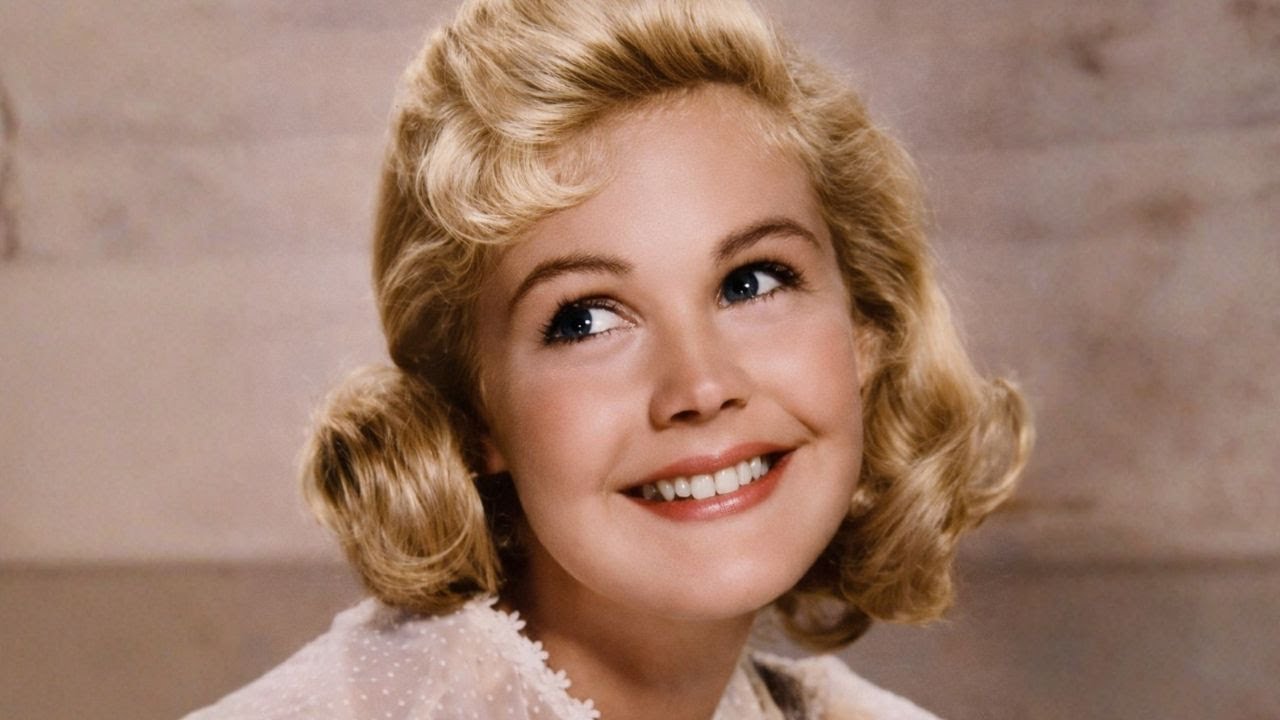
Sandra Dee Lived A Double Life For 30 Years, And No One Knew—Until Now

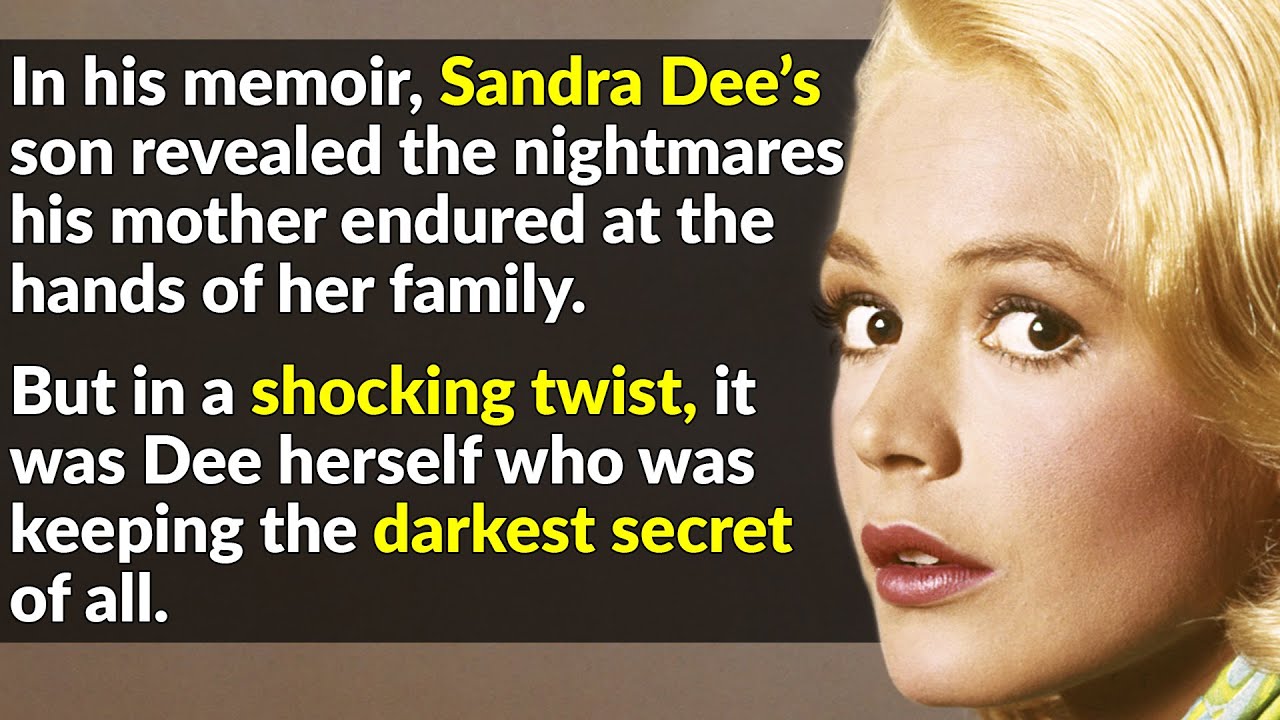
The image flickered on millions of screens across America, a beacon of purity in a decade obsessed with conformity. Sandra Dee, with her halo of blonde hair and a smile that promised only wholesome tomorrows, was the nation’s sweetheart. But the girl the world adored was a carefully constructed fiction, a hologram projected over a life of profound suffering. Behind the studio gates and the glossy magazine spreads, a different story was unfolding, one of control, exploitation, and a soul slowly being crushed by the very machinery that made her a star. The public saw a fairy tale; the reality was a prison built of contracts and silence. The truth of Sandra Dee’s life, which remained hidden for over three decades, is not a tale of sudden scandal but of systematic erosion. It is the story of a child stripped of her autonomy, a teenager forced to embody a purity she was never allowed to possess, and a woman who spent her adult life trying to outrun the ghosts of a manufactured past. The recent revelations, pieced together from her own posthumous admissions and the testimonies of those closest to her, paint a harrowing portrait of a double life where the cost of perfection was the complete annihilation of the self. Born Alexandra Zuck in 1942, her life was never her own. From the moment her parents divorced, she became the sole property of her mother, Mary. This was not a typical mother-daughter relationship; it was a totalitarian regime of two. Mary Zuck, driven by ambition and a need for control, transformed her daughter into the family’s primary economic engine. By the age of four, Sandra was working. Her childhood was not filled with playgrounds and birthday parties but with photo shoots and modeling contracts, her income becoming the lifeblood of their small, fractured family. The money she earned was substantial, but it was never hers. Every dollar was funneled through her mother, who managed it with an iron fist. Sandra was never taught about finances, never given an allowance, never allowed to make a single decision about her own earnings. She was an asset, a product whose value was determined by her ability to comply. This economic dependence was the first and most insidious chain, binding her to a life where her worth was measured in contracts and her voice was a liability. The boundary between maternal care and professional management dissolved entirely, leaving a child with no concept of personal agency. Within this suffocating structure, the abuse began. It was not a single, dramatic event that could be pointed to as the moment her childhood ended, but a creeping, silent horror. Sandra would later reveal that she was sexually abused by her stepfather, a violation that occurred within the very silence her mother demanded. The unspoken rule was clear: what happened at night must never interfere with the work schedule of the day. This forced compartmentalization taught Sandra a devastating lesson early on: her body was not her own. It was a tool for others, a vessel for their ambitions and their secrets, and her feelings about it were irrelevant. Her body was also a constant source of external scrutiny. From a young age, her figure was monitored, adjusted, and critiqued. Dress seams were taken in, camera angles were discussed to maintain a specific silhouette, and lighting was arranged to preserve an air of fragile innocence. This relentless focus on her physical form laid the groundwork for a lifelong battle with her own reflection. Eating was no longer a natural act of nourishment but a negotiation with the demands of her career. Skipping meals became a form of control, the only control she had left in a life dictated by others. The discipline required to stay thin blurred into self-punishment, a silent obedience that earned her praise from the adults who profited from her diminishment. When Hollywood came calling, it did not see a damaged child; it saw a blank canvas. After a small role in 1957, the industry quickly recognized her potential as a product. The label “grown-up Shirley Temple” was affixed, a narrative that promised the public a safe, non-threatening transition into adulthood. Universal Studios signed her to a contract that was less about her talent and more about managing an image. They didn’t just book her films; they curated her entire existence. Her clothing, her hairstyle, her public statements, and even her private life were all managed as components of a single, unified brand: The Good Girl. This branding reached its zenith in 1959 with Imitation of Life and A Summer Place. These films were not just successes; they were cultural phenomena that cemented her iconic status. She became the template for the American teenage girl—energetic, adorable, and utterly devoid of shadows. Her face was a guarantee of a certain feeling: reassurance. The public didn’t go to see Sandra Dee act; they went to see the image they had been trained to love. This created an invisible contract that she could never break. To deviate from the image was to risk financial ruin and public rejection. She was locked into a persona that allowed for no growth, no complexity, and no humanity. The pressure of maintaining this facade was immense. While she was projected as the epitome of innocent youth, she was a married woman and a mother, struggling with the demands of a body that was both a public commodity and a private vessel. Her marriage to singer Bobby Darin, which the press celebrated as a fairy tale, was in reality a collision of two deeply wounded individuals. For Sandra, it was an escape from her mother’s control, a desperate grab for a life of her own. For Bobby, who lived with a constant awareness of his own mortality, it was a frantic race to experience life at full speed. They were two people who needed saving, but they were incapable of saving each other. The marriage was strained from the start. Sandra had never been allowed to develop the skills necessary for adult intimacy. She had no sense of personal boundaries, having had them violated from childhood. The trauma of her past did not disappear; it manifested in the marriage as distance, unexplained withdrawal, and an inability to feel safe in moments of closeness. Bobby, with his own frantic energy and demanding career, could not understand the depth of her pain. He saw instability but not its source. The birth of their son, Dodd, in 1961, brought joy but also immense pressure. Sandra was expected to be a mother while maintaining the grueling schedule of a movie star, all while her body was healing from the physical and emotional toll of childbirth. To cope, she turned to the medicine cabinet. Pills to give her energy, pills to suppress her appetite, and pills to help her sleep. This pharmaceutical crutch quickly became a dependency. The miscarriages she suffered in the following years were not allowed to be moments of grief. They were treated as failures of her body, further eroding her sense of self-worth. Each loss was internalized as a personal inadequacy, a betrayal by her own biology. Alcohol began to mix with the pills, creating a fog that allowed her to escape the present moment, a present that was filled with unprocessed trauma and the suffocating weight of her public persona. The divorce from Darin was not an ending but a beginning of a different kind of pain. Ironically, it was only after the legal separation that they grew closer, finally able to communicate without the pressure of the marriage. It was during this time that Sandra began to tentatively speak about her childhood abuse, the first time she had ever voiced the secret that had defined her life. But this opening was short-lived. When Bobby died in 1973 at the age of 37, Sandra lost the one person who had begun to understand her hidden history. His death sent her spiraling deeper into alcoholism and depression. As her career faded, so did the structure that had, in a perverse way, kept her functioning. The phone stopped ringing. The scripts stopped arriving. The system that had exploited her for so long simply moved on, leaving her with nothing but the wreckage of her own life. She was no longer Sandra Dee, the icon; she was just a woman alone with her demons. The eating disorders that had been a tool for control became a prison. The alcohol that had been an escape became a daily necessity. She withdrew from the world, her life shrinking to the four walls of her home. The public had no idea. To them, she was still the frozen image of youth from the late 1950s. They didn’t see the decades of silent struggle, the hospitalizations, the desperate loneliness. The double life she led was not one of glamorous secrets but of profound isolation. She was a prisoner in her own home, serving a life sentence for the crime of being a beloved icon. The world loved a ghost, a memory, a product, while the real woman was left to wither in the shadows of that manufactured identity. In 1994, she attempted to reclaim her narrative with the memoir Dream Lovers. It was a raw and unflinching account of her life, detailing the abuse, the addiction, and the exploitation. It was not a plea for sympathy but an act of defiance, a final attempt to break the silence that had defined her existence. The book was a revelation to many, finally exposing the dark underbelly of the golden age of Hollywood. It was a story of survival, but it was not a story of triumph. The damage had been too deep, the wounds too old. She was not seeking a comeback; she was seeking to be seen, truly seen, for the first time in her life. Sandra Dee died in 2005 from complications of kidney disease, a condition exacerbated by years of alcohol abuse and eating disorders. Her death was a quiet echo of her life. The news cycle barely paused. There was no national mourning, no outpouring of grief for the woman who had once been America’s sweetheart. The culture had already moved on, having replaced her image with newer, shinier models of innocence. The system that built her up had long since discarded her, and the public that adored her had forgotten the real person behind the poster. Her legacy is a tragic paradox. She is remembered as an icon of purity, a symbol of a simpler, more innocent time. But that memory is a lie. The real Sandra Dee was a victim of that very ideal. She was a child who was never allowed to be a child, a woman who was never allowed to be a woman. Her story is not a cautionary tale about the fleeting nature of fame, but a damning indictment of an industry that consumes its young. It is the story of a girl who lost herself the moment the world began to love her, and who spent the rest of her life searching for the pieces that were taken from her. The smile that made America believe in goodness was a mask for a pain so profound it ultimately consumed her. The double life she lived for 30 years was not a choice; it was a survival mechanism, a way to exist in a world that only wanted her to be a fantasy. And when the fantasy was no longer needed, the real person was left with nothing but the silence she had been forced to keep for so long.

4 September 2026

Hollywood’s Darkest Ingenue

The silver screen’s most enduring image of wholesome American girlhood was shattered yesterday with the revelation that Sandra Dee, the 1950s icon of innocence, spent her life hiding a devastating truth that redefines her tragic legacy. New details emerging from her son’s memoir and previously sealed confessions paint a portrait of a star whose dazzling smile masked a world of abuse, manipulation, and a secret so dark it consumed her entire existence. The actress, who died in 2005 at just 62, was not merely a troubled starlet but a survivor of unspeakable familial betrayal that began before she even started kindergarten. The bombshell, confirmed through extensive interviews and the late actress’s own private admissions, centers on her stepfather, Eugene Duven, a New York real estate mogul who married her mother Mary when Sandra was just five years old. While the world saw a fairy-tale beginning for the future star, the reality was a nightmare of predatory behavior that Duven inflicted on the child for years. Sandra’s son, Dodd Darin, in his groundbreaking memoir “Dream Lovers,” finally exposed the horrific abuse, revealing that his mother’s lifelong battle with self-destruction was rooted in this early trauma. The revelation forces a complete re-evaluation of Dee’s public persona, transforming her from a cautionary tale of Hollywood burnout into a symbol of profound, silent endurance. Sandra Dee’s troubles began long before she ever stepped onto a soundstage, born in the early 1940s to a teenage mother, Mary, and an absent father who left when she was a toddler. The bond between mother and daughter, forged in poverty and isolation, quickly curdled into something deeply unhealthy, with Mary developing a pathological obsession with her strikingly beautiful child. Mary treated Sandra as a living doll, dressing her in elaborate outfits and keeping her home from school under the guise of fake rainstorms, drawing the curtains to maintain a world where only the two of them existed. This codependency was so extreme that Mary insisted on spoon-feeding her daughter until the age of six, a practice that stunted Sandra’s emotional growth and set the stage for a lifetime of control. When Eugene Duven entered their lives, the dynamic only grew stranger, as he infamously declared he was “marrying both” Sandra and Mary, even having the young girl sleep between them on their honeymoon. This deeply inappropriate family structure created a warped environment where boundaries were non-existent and Sandra was groomed for a role she could not possibly understand. The abuse, as detailed in the memoir, began when she was just five years old, a violation that would become the cornerstone of her psychological devastation. It was a secret she carried alone for decades, a weight that would eventually crush her spirit and destroy her health. The pressure to maintain her family’s livelihood began almost immediately, as Mary capitalized on her daughter’s beauty, pushing Sandra into modeling at age eight. By eleven, Sandra was earning nearly $8,000 a year, a staggering sum that made her the breadwinner but also accelerated her mother’s disturbing fixation on keeping her prepubescent. Mary forced Sandra to bind her chest to hide her developing curves, a brutal attempt to freeze her daughter in a state of childlike innocence that served her mother’s twisted needs. This obsession with appearance, combined with the immense stress of her work, led to a severe eating disorder, with Sandra confessing she ate almost nothing but lettuce for an entire year, a habit that would ravage her body for decades. The path to Hollywood was paved with lies, starting with her first major film role in 1957’s “Until They Sail,” where the studio believed she was 14, but she was actually only 12. To maintain the illusion of maturity, the studio fitted her with a rubber suit to create curves she did not have, a bizarre and humiliating experience for a girl who was still a child. Her behavior on set reflected her stunted development, as she famously rushed over to her 32-year-old co-star Paul Newman and shrieked, “Mr. Newman, Mr. Newman, want to see my body?” It was a moment of heartbreaking naivety that highlighted how the adult world had robbed her of any normal childhood, leaving her to navigate complex social situations with the emotional tools of a much younger child. As her star rose with hits like “Imitation of Life” and the “Gidget” series, her personal life was spiraling into chaos. Her marriage to singer Bobby Darin in 1960 seemed like a fairy tale, but it was built on a foundation of manipulation and obsession. Darin, who had pursued her relentlessly, initially repelled her with his conniving tactics, but eventually won her over by claiming his antics stemmed from the depth of his feelings. However, the marriage quickly soured into a nightmare of control, with Darin demanding she sit adoringly in the audience at his Vegas shows while he ignored her for his buddies. Dee, desperate for attention, resorted to drinking, gambling, and creating dramatic scenes, admitting she was just “bored” and trying to “stir things up.” The couple’s toxic dynamic was exacerbated by Darin’s pathological jealousy, which led to a series of separations and reconciliations. He accused her of affairs with co-stars like Peter Fonda, and his paranoid delusions eventually destroyed the marriage for good. Darin’s cowardice was on full display when he had a minion deliver the divorce news, and later, when he had his psychiatrist inform Dee they were through after he saw her talking to Warren Beatty at a party. Despite the acrimony, the bond between them remained unbreakable, a tragic connection that would define Dee’s life long after their final split in 1966. Even after Darin remarried, he continually returned to Dee, especially when his health began to fail, and she was always there to comfort him. The final tragedy unfolded in December 1973, when Darin, ignoring medical advice, went to the dentist without antibiotics and developed a fatal case of sepsis. He died on December 19th, just days after calling his son to wish him a tearful happy birthday. For Sandra Dee, the loss was an annihilation. Her son later revealed that she never recovered, and her grief sent her into a tailspin of self-destruction. The career that had defined her was already fading, as audiences turned away from the aging ingénue, and her studio dropped her without ceremony. She was left with nothing but her pain, her memories, and a secret that was eating her alive from the inside. The final years of Dee’s life were a brutal battle against the demons she had suppressed for so long. After her mother’s death in the late 1980s, she gave over entirely to her vices, living on soup, crackers, and scotch until her weight plummeted dangerously. Her son intervened, forcing her into rehabilitation, but the damage was already done. Years of eating disorders and alcohol abuse had destroyed her kidneys, leading to a diagnosis of kidney failure that required dialysis. She finally stopped drinking, but it was too late. On February 20, 2005, Sandra Dee died in a hospital at age 62, a woman whose youthful beauty had been a lie, hiding a life of unimaginable pain. It was only in 1994, when her son Dodd published his memoir, that the world learned the darkest secret of all: the sexual abuse she suffered at the hands of her stepfather. Even more devastating was the revelation that when Dee finally confided in her mother, Mary’s response was cold denial and silence. This betrayal, more than any other, explains the depth of Dee’s despair. She was a woman who had been failed by everyone who was supposed to protect her, from her mother to her husband, and she carried that burden alone. Her story is not one of a fallen star, but of a child who was broken by the very people who should have loved her, and who spent her entire life trying to survive the aftermath.

4 September 2026

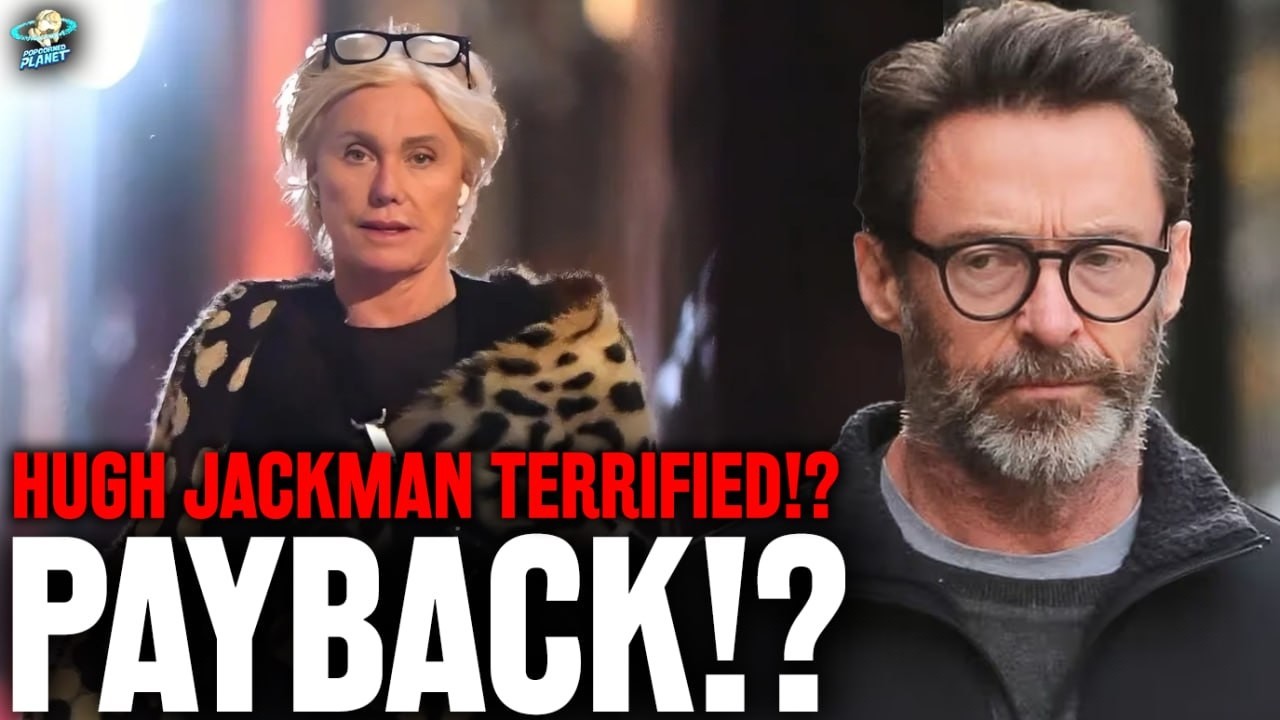
Hugh Jackman TERRIFIED As Ex Deborra-Lee Furness Prepares BOMBSHELL Exposé!?

The carefully curated world of Hollywood’s most beloved “nice guy” is reportedly on the verge of collapse, as sources claim Hugh Jackman is living in a state of abject terror over the possibility that his estranged wife, Deborra-lee Furness, is preparing to unleash a devastating tell-all exposé that could permanently dismantle his gleaming public image. The revelation comes amid a maelstrom of controversy surrounding the actor’s highly publicized divorce and his rapid-fire romance with actress Sutton Foster, a relationship that has sparked intense scrutiny and allegations of infidelity that Jackman has vehemently denied. According to insiders cited in a new report, the 56-year-old actor is now gripped by sleepless nights and profound anxiety, fearing that Furness, his partner of nearly three decades, is finally ready to speak her truth and shatter the carefully constructed narrative of their amicable separation. For years, Jackman has enjoyed a reputation as the quintessential gentleman of Tinseltown, standing out as a refreshingly well-adjusted figure in an industry often characterized by ruthlessness and moral ambiguity. However, that sterling reputation is now hanging precariously in the balance, threatened by the ongoing fallout from his bitter divorce and the much-discussed timing of his new relationship with Foster. The couple, who met on the set of the Broadway musical “The Music Man,” have been unable to escape the shadow of suspicion that their connection may have begun long before Jackman’s marriage officially ended in September 2023. The report suggests that Furness, who has largely maintained a dignified silence since the split, is now prepared to pivot from her role as the gracious ex-wife to that of an author ready to reclaim her narrative. Sources claim she is considering a book deal, an exposé that would lay bare the inner workings of her marriage and detail what she perceives as Jackman’s “shady behavior” both during and after their union. The prospect of such a publication has sent shockwaves through Jackman’s inner circle, with the actor reportedly terrified that his decades-long effort to cement his status as the “good guy of showbiz” could be torn to shreds in a matter of weeks. “She’s been incredibly dignified, and she still wants to meet with Sutton at some point if only out of a willingness to be the bigger person,” a source revealed. “But she’s still very hurt and betrayed by Hugh’s actions and is now ready to push the red button on some of those plans that have been on ice for well over a year now. The book is step one. To justify the big bucks, she’ll have to lay everything out there, which will include Hugh’s shady behavior with Sutton and other occasions where he wasn’t exactly lily-white.” This impending threat to Jackman’s legacy comes at a particularly precarious time for the actor, who has been attempting to steer public attention toward lighter fare. In a move that many have interpreted as a desperate deflection tactic, Jackman and his close friend Ryan Reynolds recently made headlines for a bizarre promotional video in which they celebrated their sailing team’s victory by performing a “shoey,” an Australian tradition involving drinking alcohol from a shoe. However, the stunt backfired spectacularly, with the pair using a custom-made, sanitized ceramic prop shaped like a Converse sneaker instead of an actual, well-worn shoe, drawing widespread mockery and accusations of being “Un-Australian” from unimpressed fans down under. The video, which was also laden with promotional tie-ins for their upcoming “Deadpool & Wolverine” project, was widely seen as a transparent attempt to bury the growing negative press surrounding Jackman’s personal life. Critics and observers were quick to point out the irony of the actor engaging in such a publicity stunt while simultaneously dreading the release of potentially career-damaging revelations from his ex-wife. The optics of the situation have done little to quell the narrative that Jackman is desperately trying to control a story that is rapidly spiraling out of his grasp. The seeds of this current crisis were sown long ago, according to the timeline of events. Jackman and Furness’s initial separation announcement in September 2023 was framed as an amicable and mutual decision, with the pair releasing a joint statement expressing gratitude for their three decades together and emphasizing their commitment to co-parenting their two children. They spoke of shifting their journey and pursuing individual growth with “gratitude, love, and kindness.” Yet, the facade of amicability began to crack almost immediately after Jackman went public with his relationship with Foster in January of this year. Furness, who was once the bigger star in Australia before Jackman’s global fame exploded, began making increasingly unfiltered public statements that hinted at deep-seated betrayal. In one poignant social media post, she wrote, “My heart and compassion goes out to everyone who has traversed the traumatic journey of betrayal,” adding that even when presented with adversity, it can lead to one’s greatest good, though it “can hurt.” These cryptic messages have been interpreted by many as a direct reference to her husband’s actions, and they have only intensified in recent weeks. Just days after Jackman and Foster attended the Met Gala together in early May, appearing smitten and inseparable, Furness shared an Instagram quote that read, “Sometimes the universe removes someone from your life because they don’t deserve to be in your future.” She further fueled speculation by liking a viral video that alleged an overlap between Jackman’s marriage and his new romance. The public display of hurt has been a stark contrast to the dignified silence she initially maintained, signaling a shift in her approach to the dissolution of her marriage. The tension has also ensnared other members of Hollywood’s elite. Reports indicate that Furness has found a staunch ally in Nicole Kidman, a mutual friend who has allegedly picked sides in the divorce, choosing to rally around Furness rather than Jackman. This development has reportedly made the actor even more nervous, as Kidman’s support lends significant weight and credibility to Furness’s potential narrative. Furthermore, the situation has drawn in Ryan Reynolds and Blake Lively, who are reportedly facing their own backlash for allegedly knowing about Jackman’s relationship with Foster before it became public and failing to warn Furness. This swirling vortex of drama has led to a broader conversation about the precarious nature of celebrity and the fragility of public personas. Commentators have noted the karmic irony of Jackman, Reynolds, and Lively—once seen as an unassailable trifecta of Hollywood likability—now facing simultaneous public relations crises. The pressure is mounting not just from tabloids but from a public that is increasingly skeptical of carefully managed images and hungry for authenticity, even if it comes in the form of a scandalous tell-all. For Furness, the motivation for writing a book appears to be twofold. On one hand, there is the financial incentive, a chance to secure her own legacy and financial independence after decades of supporting her husband’s meteoric rise. On the other, there is a deeper, more personal purpose: to reclaim control of her own story and step out of the shadow of being defined solely as “Hugh Jackman’s ex-wife.” Insiders suggest that she is tired of playing the part of the “has-been ex-wife” and is ready to remind the world that she was a star in her own right long before she met him. “The size of a paycheck does matter for her pride, but the bigger purpose in all this is for Deb to take back some control and reclaim her part in the story,” the source explained. “As much as she’s not a vengeful person, this has pushed her buttons. The truth is she’s never got the chance to have her closure. But in Hollywood, scandal sells, and it’s an absolute nightmare for Hugh.” The potential fallout for Jackman is immense. He has spent decades cultivating an image of wholesomeness and integrity, a persona that has endeared him to millions and made him one of the most bankable stars in the industry. A tell-all book from Furness, filled with intimate details of their marriage and allegations of infidelity, could irrevocably damage that image, impacting his career prospects and public standing. The actor, who has always maintained that his marriage was “well and truly over” before he coupled up with Foster, now faces the daunting prospect of defending that claim against the testimony of the woman who knew him best. The timeline of his relationship with Foster is particularly damaging. The pair worked together on “The Music Man” in 2023, during which time they were photographed together and displayed a clear admiration for one another. While Jackman insists the romance did not begin until after his separation, the proximity of the working relationship to the end of his marriage has led many fans to connect the dots and assume the worst. The fact that he and Foster were working together during the final months of his marriage makes his insistence on the timeline difficult for many to accept. As the story continues to develop, the entertainment world is watching with bated breath. Will Furness actually go through with the exposé, or will cooler heads prevail? For Jackman, the waiting game is a torturous one. He is reportedly surrounded by advisors who are urging him to get ahead of the narrative, but he remains paralyzed by the fear of what his ex-wife might reveal. The once-unshakeable star is now facing the very real possibility that his carefully constructed world is about to come crashing down around him. The situation serves as a stark reminder that in the age of social media and relentless tabloid scrutiny, no celebrity is too big to fall. The same platforms that helped build Jackman’s reputation as a likable everyman can just as easily be used to tear it down. For now, the actor is left to wait and hope that Furness chooses mercy over vengeance, but given the mounting evidence of her hurt and anger, that hope may be in vain. The clock is ticking, and the next chapter in this Hollywood saga is poised to be one of the most explosive in recent memory.

4 September 2026

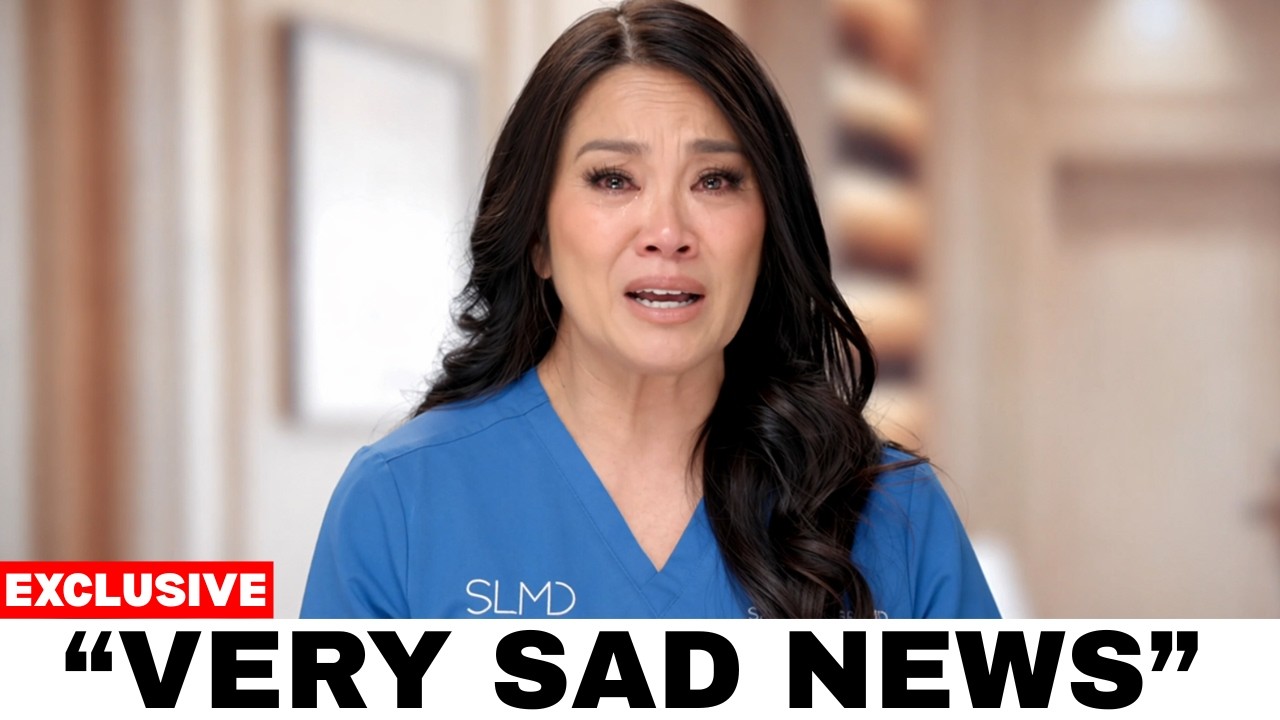
At 55, The Tragedy of Dr. Pimple Popper Sandra Lee is Beyond Heartbreaking

The silence in the operating room was broken only by the soft hum of medical equipment and the murmur of a patient under local anesthesia. The cameras were rolling, capturing every second for the show that had made her a global phenomenon. Dr. Sandra Lee, the woman known to billions as Dr. Pimple Popper, was mid-procedure, her gloved hands steady as she worked to extract a stubborn cyst. But beneath the surgical mask, something was terribly wrong. A wave of heat, sudden and violent, washed over her body. Her head felt clouded, her thoughts sluggish. She dismissed it as a hot flash, a symptom of her age, and pushed through the procedure with the professionalism that had defined her two-decade career. She had no idea that a part of her brain was already dying. The day would not end in the operating room. After finishing her patient list, Dr. Lee drove to her parents’ home near the practice in Upland, California. The restlessness she felt was profound, an inability to settle that she couldn’t explain. Shooting pains ran down one leg, a strange and alarming sensation she tried to rationalize away. When she attempted to descend the stairs, her balance faltered. Her legs felt disconnected from her will, moving as if through water. That night, sleep was impossible. The fear that had been a dull throb in the back of her mind began to crescendo. The following morning, the fear became a deafening roar. She held out her left hand and watched it collapse, unable to maintain its own strength. When she tried to speak, the words came out slurred and tangled. In that terrifying moment, the physician in her finally recognized the truth she had been fighting against. She was having a stroke. For a woman who had spent her life studying the human body, the irony is devastating. Sandra Lee knew the warning signs of a stroke cold. Face drooping, arm weakness, speech difficulty, sudden confusion, problems with balance. She had exhibited almost every single one of them. Yet, even with her medical training, she almost convinced herself to stay home. This is not a story of personal failure, but a chilling reflection of a broader medical crisis. Research has long documented that women experiencing strokes are significantly more likely to have their symptoms dismissed, both by themselves and by medical professionals, because the signs so often mimic other conditions. Sudden sweating, fatigue, and restlessness in a woman in her mid-50s are frequently attributed to menopause. Dr. Lee had the same instinct. Her brain was under attack, and her first thought was, “Hot flash.” It was her father, Dr. Soon Seng Lee, a retired dermatologist who had built the very practice she now runs, who cut through the denial. He looked at his daughter and issued a command that would ultimately save her life. He told her to get to the emergency room immediately. The MRI results were stark and unforgiving. Sandra Lee had suffered an ischemic stroke, a full blockage of blood flow to a part of her brain. The clot had starved millions of cells of oxygen, and in the world of neurology, time is brain. Every minute a stroke goes untreated, the brain loses approximately 2 million cells that will never regenerate. The diagnosis was a shock that reverberated through her entire being. “It was just a shock,” she later recalled in an interview with People magazine. “As a physician, I couldn’t deny that I had slurred speech, that I was having weakness on one side, but I was like, ‘Well, this is a dream, right?’” The reality was far from a dream. It was a nightmare that threatened to end everything she had built. “What essentially happened is I had a part of my brain that died,” she said, a statement that stopped every room it entered. For a surgeon whose entire career is built on the precision of her hands, the steadiness of her gaze, and the calm articulation of her voice, the stroke was an attack on her very identity. The tools of her trade—her fine motor skills, her balance, her speech—had all been compromised in a single, silent moment. The public knows Sandra Lee as the cheerful, steady presence who extracts blackheads and pops cysts with a satisfying finality. They know her as the woman who built a media empire from a small dermatology office, amassing over 6 billion views on YouTube and turning her nickname into a household name. But the public does not know the relentless pressure that fueled that empire. Behind the camera, Dr. Lee was running a machine that demanded constant maintenance. A full surgical practice, a YouTube channel requiring fresh content, and the production of a hit television show for TLC that ran for nine seasons. The stress was chronic, the hours were punishing, and her own health was pushed to the periphery. She admitted to having high blood pressure and high cholesterol, conditions she was not adequately managing. The stroke, she now realizes, was not a random act of bad luck. It was the inevitable bill coming due for years of neglecting the most important patient in her care: herself. Her neurologist, Dr. May Kim Tenser of USC’s Keck Medical School, provided a broader, more alarming context. Doctors are now seeing a nearly 15% increase in stroke prevalence among patients between the ages of 45 and 64. Dr. Lee, at 55, falls directly in the middle of that demographic. This is not an anomaly. It is a public health crisis that is disproportionately affecting a generation of high-performing professionals, particularly women, who are conditioned to prioritize work over well-being. The story of Dr. Pimple Popper is a cautionary tale for every woman who has ever ignored a headache, pushed through exhaustion, or chalked up a physical symptom to stress or menopause. The consequences of that neglect can be catastrophic and permanent. The immediate aftermath of the stroke was a brutal confrontation with her own mortality and her own limitations. Filming on season 2 of her new Lifetime show, Dr. Pimple Popper: Breaking Out, was halted immediately. Twenty planned episodes, a brand-new platform, and a second chance at a television career after TLC ended the original series—all of it stopped on a November morning in 2025. The woman who had an answer for everyone else’s skin problems had no answer for what was happening inside her own brain. For two full months, she did not operate. She did not film. She barely spoke publicly. Instead, she entered a world of intensive physical and occupational therapy, working on tasks that most people take for granted. She had to relearn how to walk in a straight line. She had to rebuild the grip strength in her left hand, a hand that was essential for holding a scalpel. “I don’t like that I don’t have total control of my left hand,” she told People. “If I feel like I’m not at my best, it’s very scary.” The psychological toll was just as heavy as the physical one. She described experiencing a form of PTSD, triggered by the very environment where her life changed forever. “It was very scary for me,” she said. “There’s a lot of PTSD because it happened while I was filming the show.” Her speech also changed in subtle ways that she notices constantly, even if others don’t. “I notice it right now that I may don’t speak exactly the way I used to,” she admitted. “You’re really embarrassed to speak because you notice it.” For a woman who has spent years narrating her work to millions of viewers, this new self-consciousness is a profound and painful shift. She is hyper-aware of every word, every pause, every moment where her articulation might falter. The stroke did not just take a part of her brain; it took a piece of her confidence. Yet, in January of 2026, she made the decision to walk back into the operating room. She returned to the set where her brain had started dying, facing the cameras and the patients with a courage that is difficult to fathom. The decision to return was not just about her career. It was about reclaiming her identity. She refused to let the stroke define her, even as she acknowledged that she is forever changed by it. What makes Dr. Lee’s story even more poignant is the cultural context in which she chose to share it. Sandra Lee is Chinese-American. Her father is from Singapore, and her mother is from Malaysia. She was raised inside a culture that values stoicism, that treats illness as a private matter, and that often associates public vulnerability with personal failure. In many Asian cultures, having a stroke is viewed as a sign of weakness, a stigma that prevents people from seeking help or speaking openly about their recovery. Dr. Lee could have kept her ordeal private. The stroke happened in November of 2025. She returned to work in January of 2026. The public had no idea. She could have let the new season air without explanation, letting the footage speak for itself. Instead, she chose to break a profound cultural taboo. She went public with her story in an exclusive interview with People magazine, published on April 14th, 2026. She explained that in Asian cultures, they don’t tell people they’ve had a stroke because it can be seen as a sign of weakness. By speaking out, she was going against everything her upbringing taught her about how a strong person handles adversity. She did it anyway, and she was specific about why. “I want to get the word out that if you have symptoms like I had, make sure you see your doctor. Take care of yourself.” The timing of her disclosure was deliberate and strategic. She went public just six days before season 2 of Dr. Pimple Popper: Breaking Out premiered on Lifetime on April 20th, 2026. The show includes actual footage from the day of her stroke and her subsequent recovery. By speaking first, she controlled the narrative. She chose the frame and the language. She transformed her worst moment from a potential spectacle into a conversation about health, resilience, and the importance of listening to your body. She turned her trauma into a teaching moment for the millions of people who watch her. When Dr. Lee calls the stroke a “blessing in disguise,” she says it without the hollow performance of gratitude that often accompanies survival stories. She says it the way a doctor talks about a diagnosis: plainly, precisely, as a fact she has already examined from every angle. “I want to think about it as a blessing in disguise because it reminds you to take better care of yourself,” she said. For years, she was outrunning the bill. She was treating the warning signs as problems for “later” and prioritizing the work as urgent “right now.” The stroke ended that calculation completely. The recovery has been a lesson in humility. She now takes blood thinners every day. She performs home exercises before bed. She monitors the numbers she ignored for years. Her pace is slower, not because she chose it, but because her body finally demanded it. And in that forced slowdown, she found a clarity that had eluded her for decades. “It really makes you realize how precious life is,” she said. The story of Sandra Lee is not just a story about a celebrity doctor who had a health scare. It is a story about the immigrant drive that built the American Dream. Her father, Dr. Soon Seng Lee, discovered dermatology from a borrowed book hidden behind a privacy curtain in a rural Malaysian clinic. He emigrated to the United States with almost nothing, built a practice from zero, and raised a daughter inside that practice who would go on to become the most watched dermatologist in human history. Decades later, that same father looked at his daughter in the hallway of their home, saw the stroke written across her face, and sent her to the emergency room in time. His knowledge, passed down through generations, saved her life. Sandra Lee did not just survive a stroke. She survived the moment when everything she had been given, everything she had built, and everything she had put at risk all collided in a single November morning. She walked back into the place where it happened, turned the cameras back on, and chose to let the world see exactly what that looked like. The new season of her show is not just a return to form. It is a testament to the fragility of life and the strength of the human spirit. She is back on screen, her hands working, her voice close to what it was. … Read more

2 September 2026

Mick Jagger Finally Confirmed What Everyone Suspected

For six decades, the image was immaculate: the strut, the pout, the indefatigable energy that defied age and gravity. But beneath the veneer of the world’s most famous rock frontman, a different story has been unfolding, one marked by a recent medical emergency that has forced the cancellation of an entire tour and brought a sudden, stark clarity to a life spent in the spotlight. The Rolling Stones have officially postponed their upcoming North American tour, including a highly anticipated headlining slot at the New Orleans Jazz & Heritage Festival, following medical advice for frontman Mick Jagger. According to a statement released on the band’s official website, the 75-year-old singer will undergo a procedure to replace a heart valve. The announcement, which sent shockwaves through the music industry, marks a rare and serious interruption in a career that has been defined by relentless momentum. The news confirms what insiders had whispered for days as tour dates were mysteriously pulled from schedules. While the statement was characteristically terse, the implication is profound. For a performer whose physicality is as integral to his art as his voice, a surgical procedure on the heart is not merely a health scare; it is a direct challenge to the very essence of his identity. It forces a pause that Jagger has rarely allowed himself, a moment of stillness in a life that has been a blur of motion for over half a century. This health crisis, however, is only the most immediate revelation in a broader, more complex portrait of the man that has emerged in recent years. In fragments, through interviews and candid asides, Jagger has begun to dismantle the carefully constructed edifice of his public persona, confirming suspicions that have lingered for decades about the true cost of his genius, his relationships, and the events that have defined him. The relationship that has always been the crucible of the Rolling Stones is, of course, the one with Keith Richards. It is the central fact of Jagger’s professional life, a partnership that has produced an unparalleled musical catalog while simultaneously serving as a source of profound, unrelenting friction. For years, Jagger deflected questions about their dynamic with wit and evasion. Now, he has confirmed what many suspected: the bond is as much a burden as it is a blessing. He has spoken with increasing candor about the 1970s, a period when Richards’ severe substance addiction slowed the band’s creative engine to a crawl. Jagger has described the experience of working alongside a partner in the grip of dependency as exhausting and isolating, affecting everyone in the orbit without anyone possessing the power to alter its course. More tellingly, he has admitted that he and Richards never actually discussed the addiction directly, a confession that reveals a fundamental truth about Jagger’s emotional architecture: he is present, observant, and deeply invested, yet maintains a distance from raw emotional confrontation that has never fully closed. This distance is not a flaw but a survival mechanism. It allowed him to navigate the chaos of Richards’ lifestyle and the tragic unraveling of the band’s original founder, Brian Jones. Jagger has finally spoken openly about the cruelty with which the band treated Jones in his final months, describing their behavior as “childish” and admitting that Jones’s instability made him a target. The memory of Jones, who was found dead in his swimming pool at 27, haunts the band’s history, and Jagger’s recent admissions serve as a quiet acknowledgment of his own complicity in a tragedy that was decades in the making. Beyond the internal dynamics of the band, Jagger has also shed light on the external events that have left permanent scars. The Altamont Speedway concert in 1969, where four people died, including 18-year-old Meredith Hunter, has been culturally processed as the symbolic end of the 1960s. Jagger, however, has consistently rejected that framing. He has confirmed that his response to the tragedy was not philosophical but visceral, a profound shock that lingered for years. He has also revealed that he was never told at the time that members of the Hells Angels, angered by his public condemnation, had allegedly plotted to attack him at his Hamptons home, a plan thwarted only by a storm. He learned of the threat years later, from reporting, not from his own security team. This revelation speaks to a deeper isolation that Jagger has confirmed feeling. He is a man who has spent his life surrounded by people, yet the decisions made on his behalf, the information withheld, and the distance imposed by his status have created a unique form of solitude. His early impressions of America, the country that fueled his musical ambitions, were similarly complex. He has described the nation he first toured in 1964 as one of the most repressive societies he had encountered, struck by the stark segregation that contradicted the freedom promised by the rhythm and blues records he loved. Even his relationship with his own art is more nuanced than the legend suggests. He has demystified the songwriting process, describing the creation of “Satisfaction” not as a bolt of inspiration but as a moment of craft by a pool in Florida. He has admitted he is not entirely sure what drove him to write “Brown Sugar,” a song he now finds genuinely complicated and has retired from live performance. His pride, he has confirmed, lies not in the anthems that define stadiums, but in the chaotic, accidental brilliance of albums like Exile on Main St. , a record born from a period of such turmoil that he admits he is not entirely sure how it was created. The recent health scare and the subsequent surgery bring all these threads together. The man who has outlasted every prediction, who has survived the excesses of his peers, the tragedy of his early success, and the constant friction of his most important relationship, now faces the most personal challenge yet. The heart valve replacement is a mechanical fix, but the emotional and psychological endurance required to return to the stage is another matter entirely. Jagger’s recent candor suggests a man who is no longer interested in protecting the myth. The knighthood he accepted in 2003, which Richards publicly mocked, is a symbol of this shift. He has made peace with the fact that he and Richards see the world, and the band, differently. He has accepted that the contradictions of his life will not be resolved. The question that now hangs in the air, as he prepares for surgery, is whether this latest interruption will be a pause or a full stop. For a man who has defined himself by motion, the stillness of recovery will be the ultimate test. The world watches, waiting to see if the voice that has narrated the soundtrack of our lives for six decades will find its rhythm once more.

2 September 2026