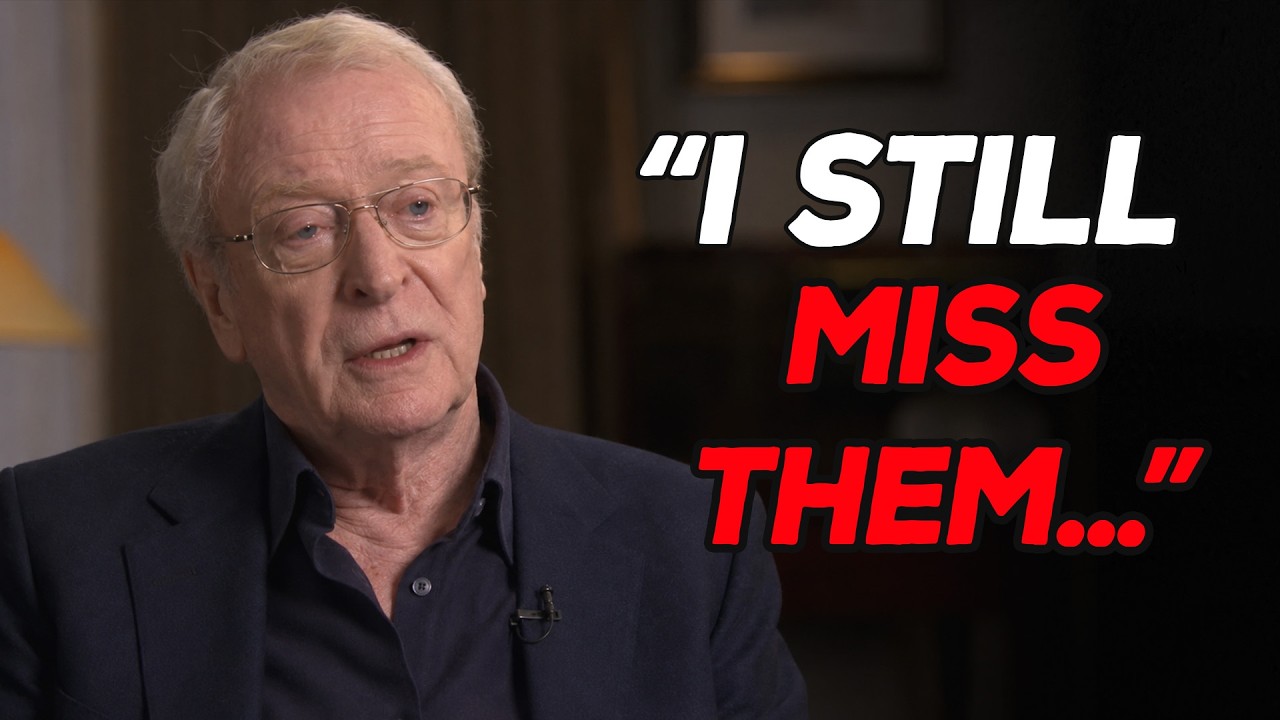
Tom Selleck became one of the most recognizable faces in television during the 1980s, but his path to fame took a turn that surprised many in Hollywood. Rather than chasing the spotlight at the height of his popularity, he deliberately stepped back from it. Selleck rose to stardom playing Thomas Magnum on Magnum, P. I.

, a role that made him an overnight cultural phenomenon. His mustache, deep voice, and confident demeanor turned him into a symbol of American masculinity. Magazine covers and film offers followed quickly. At that point, Selleck made an unusual choice for a major star.
He reportedly turned down opportunities that could have expanded his career even further. He wanted a life that was not completely controlled by the entertainment industry. In 1987, he married Jillie Mack, and the couple built a family life away from the center of Hollywood. Selleck also developed a deep attachment to his California ranch.
He made it clear that he wanted to work and then go home, rather than live under constant public scrutiny. That decision may have cost him some career opportunities, but it also protected the person behind the celebrity image. As the entertainment industry changed, Selleck continued acting, but he stopped being the kind of star who appeared everywhere. He moved between television and film, taking roles that allowed him to age naturally instead of desperately clinging to leading-man status.
A major chapter began when he took on the role of Frank Reagan in Blue Bloods. The character was a police commissioner and a father, a man dealing with decisions that rarely had easy answers. Audiences responded strongly, and the show became one of television’s most dependable dramas. Blue Bloods ran for 14 seasons before being canceled, with its final episodes airing in 2024.
For many fans, the ending felt like the loss of one of television’s last traditional broadcast dramas. It also raised the question of what Selleck would do next. At an age when many actors would retire, Selleck has remained selective. He has continued to make occasional appearances and take on projects, but he has shown little interest in turning his private life into a publicity campaign.
Selleck has described his ranch and family life as important for keeping his priorities grounded. That philosophy is visible in the way his career unfolded. He never seemed driven to prove each year that he was still the biggest star in the room. His disappearance from the constant spotlight was not the result of rejection or failure.
He chose a different definition of success. In an era when celebrities are expected to remain visible through interviews, social media, and red carpets, Selleck took the opposite path. He became famous at a time when celebrities were treated as larger than life. Instead of spending the rest of his career trying to remain that way, he gradually became more private and more selective.
That choice may be exactly why audiences still care about him. Tom Selleck is still here. He still works when the right role comes along. He remains remembered for Magnum and respected for Frank Reagan.
But his story offers a different lesson about fame: stepping away from the spotlight does not have to mean losing something. Sometimes it means no longer needing the spotlight to define who you are.