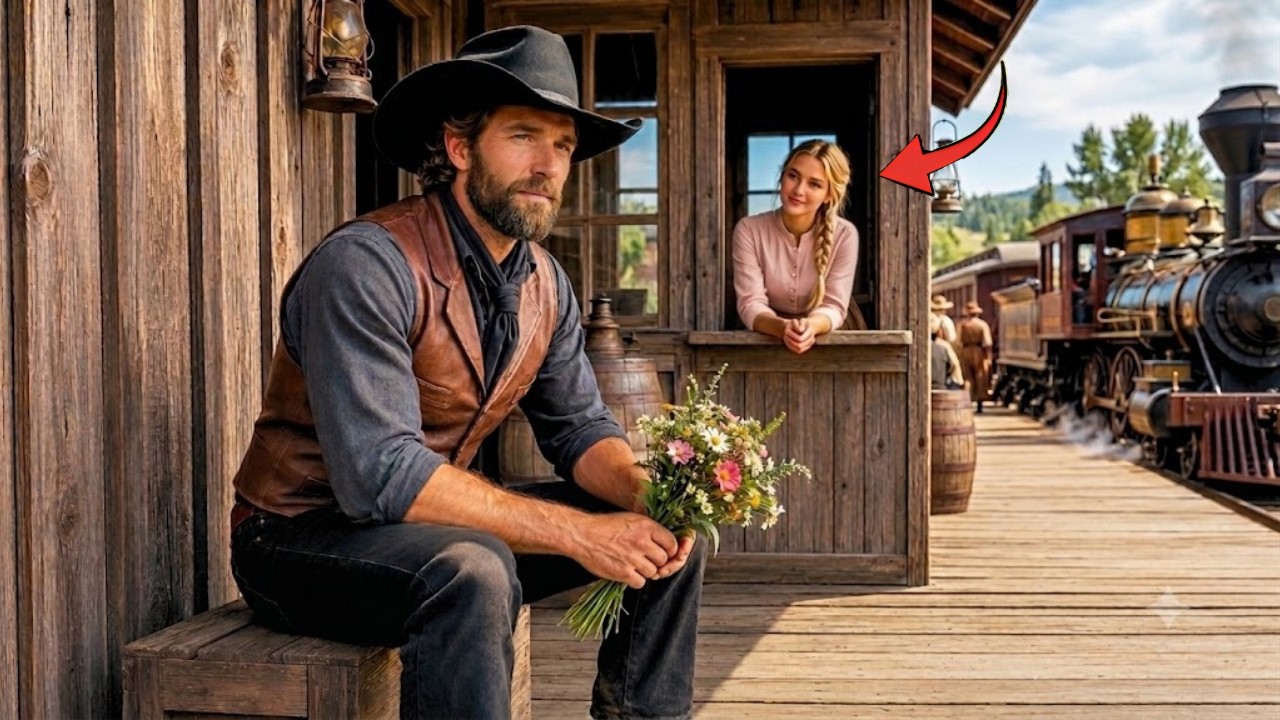
The dust from the horse hooves had not yet settled on the valleys of the Hindu Kush when the first wave of American vengeance crashed against the Taliban, a strike delivered not by stealth aircraft or cruise missiles, but by a 12-man team of Green Berets riding into the crucible of Afghanistan on horseback. It was a moment that redefined modern warfare and answered the terror of September 11th with the thunder of unconventional warfare, led by a captain from Kansas who had swapped the promise of a cockpit for the reins of destiny. Mark Nutsch, a name now synonymous with the “Horse Soldiers,” was that leader, and his story, told on the eve of the 25th anniversary of the attacks, is one of grit, sacrifice, and the raw, unfiltered power of partnership in a hostile land.
Nutsch’s journey to the mountains of Afghanistan began not in a briefing room, but on the sprawling farmlands of his youth, surrounded by a family steeped in military tradition. “Both grandfathers were World War II veterans,” he recalled, describing a lineage that served in North Africa and the Pacific, while uncles filled the ranks of the Navy, Air Force, and Army during the Cold War and Vietnam. That heritage, combined with a boyhood spent competing in rodeos and showing horses, forged a resilience that would prove essential in the unforgiving terrain of Central Asia.
 The path to the Green Berets was not a straight line, but a series of pivots driven by a desire to serve a nation that had given his family so much. Initially captivated by aviation and the allure of “Top Gun,” Nutsch pursued naval and Air Force ROTC scholarships, only to see those doors close. “Didn’t work out,” he stated plainly, describing a financial struggle to stay in college that led him to the Army ROTC and a National Guard scholarship.
It was in the Nebraska Army National Guard, within a long-range surveillance unit, that he got his first hands-on taste of the special operations world, which ultimately propelled him to the 101st Airborne, the 3rd Ranger Battalion, and finally, the Army Special Forces.
By September 10, 2001, Nutsch had just completed a grueling two-year tenure as a Special Forces detachment commander, leading a 12-man team on multiple missions into the Middle East, including extensive work in the former Soviet Republic of Uzbekistan. He described that role as the “pinnacle of your career,” a period of intense focus where he and his team gained a front-row seat to the fight against al-Qaeda affiliates. Yet, as is the cruel rhythm of military life, his time was up; he had cleaned out his wall locker and transitioned to a staff role, preparing to watch the next chapter unfold from a desk.
That transition was shattered on the morning of September 11th. Nutsch, at home with his wife and two young stepsons, was alerted by the boys to the chaos unfolding on the television. “Why are planes crashing into that building?”
he recalled them asking, a haunting question that preceded the grim realization of the attacks. The shock was immediate, but the response was swift. Within days, senior leaders were quietly disappearing to Tampa, Florida, into planning sessions at MacDill Air Force Base, setting the stage for America’s retaliation.
By September 14th, Nutsch’s phone rang; he was to be put right back on his team, designated as the first 12-man team to deploy out of the Group.
The selection of his team was no accident. Their six months of prior work in Uzbekistan, where they had built a rapport with their Special Forces partner unit and witnessed the fight against terror first hand, made them the perfect spearhead. “We saw our Spetsnaz partner force…
 They were already fighting against al-Qaeda affiliates and we had a front-row seat to that,” Nutsch explained. That regional knowledge, combined with their experience, led them to be among the first teams picked to enter Afghanistan and work by, with, or through local militia forces—the very essence of unconventional warfare.
The preparation was a emotional rollercoaster filled with false starts. “We had multiple false starts… we were palletized and ready to deploy, and then the aircraft didn’t come, or the country flight didn’t get approved,” Nutsch described.
The repeated goodbyes were particularly hard on the families, with the wives eventually urging them to “just go get it done.” When the final order came, they loaded up a C-130, which carried them to a larger C-5, a transload in Spain, and then onto a C-17, landing at a secret airfield in Karshi-Khanabad (K2). There was no infrastructure; they slept on the side of a former Soviet MiG hangar under the stars, awaiting their final mission.
It was at K2 that the mission crystallized. After days of planning and self-discovery, they were told a CIA team would be arriving, and that their own 12-man team would soon follow. In a meeting with the CIA officers and the legendary Afghan leader General Dostum, a throwaway comment at the end of the conversation changed everything.
“You Americans need to be ready to ride horses,” they were told. “We all missed that,” Nutsch admitted, recalling the disbelief in the tent. “Holy did they just, you know, horses.
It’s the 21st century… We have ATVs, motorcycles, 4×4 pickup trucks, helicopters.”
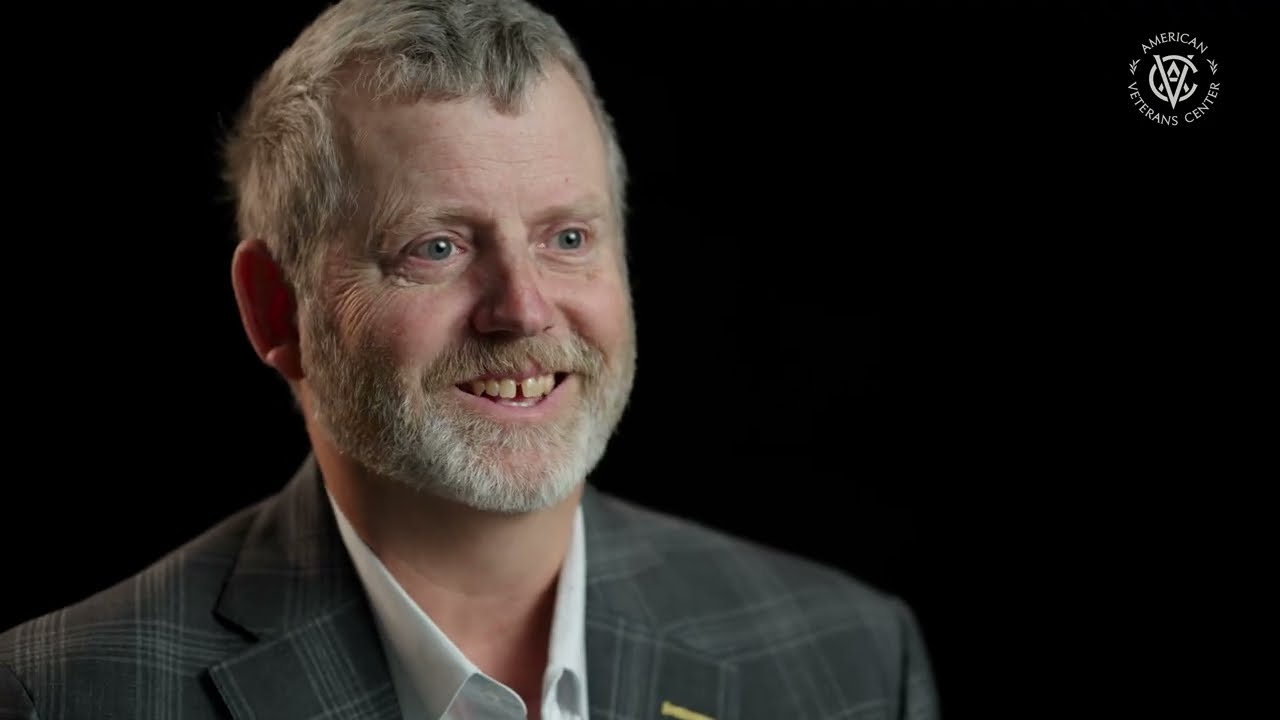 The absurdity of the order quickly gave way to the stark reality of survival. “You knew it was real when… they briefed us the mission and they don’t expect you to survive,” Nutsch stated, his tone serious.
“There’s immense political pressure. Somebody has to be sent in.” The weight of that knowledge forced long looks in the mirror and candid conversations about contingencies and what-ifs.
They stripped down their gear, shedding body armor and helmets to fit into the helicopters that would fly them over mountains taller than their flight manuals said was possible. “That mission was without body armor… I’m working with a partner force that’s got a piece of wool between him and the bad guy’s muzzle,” Nutsch explained, understanding it was a necessary risk to build rapport.
The baptism by fire was immediate and constant. Nutsch described a grinding, weeks-long campaign at extreme altitude, riding horses in bitter snow, where the enemy was not just the Taliban, but the environment, exhaustion, and the ever-present potential for fatal accidents. “We lost 20 to 25 pounds of body weight in that first month.
We’re getting 2 to 4 hours of sleep a night,” he detailed. Over 200 of their Afghan allies were killed during the mission, a sobering statistic that Nutsch does not take lightly. The team’s horse trod over landmines, and they survived mortar, rockets, and small arms fire, relying on each other, their training, and the close support of an “aerial armada” overhead.
Despite the devastating odds, the mission was a resounding tactical and strategic success. Nutsch and his team split into three-man cells, each working with a different Afghan commander to coordinate and multiply their impact. In a pivotal meeting, they united three or four rival factions, getting their leaders to agree to cooperate and orchestrate a coordinated uprising on November 5th.
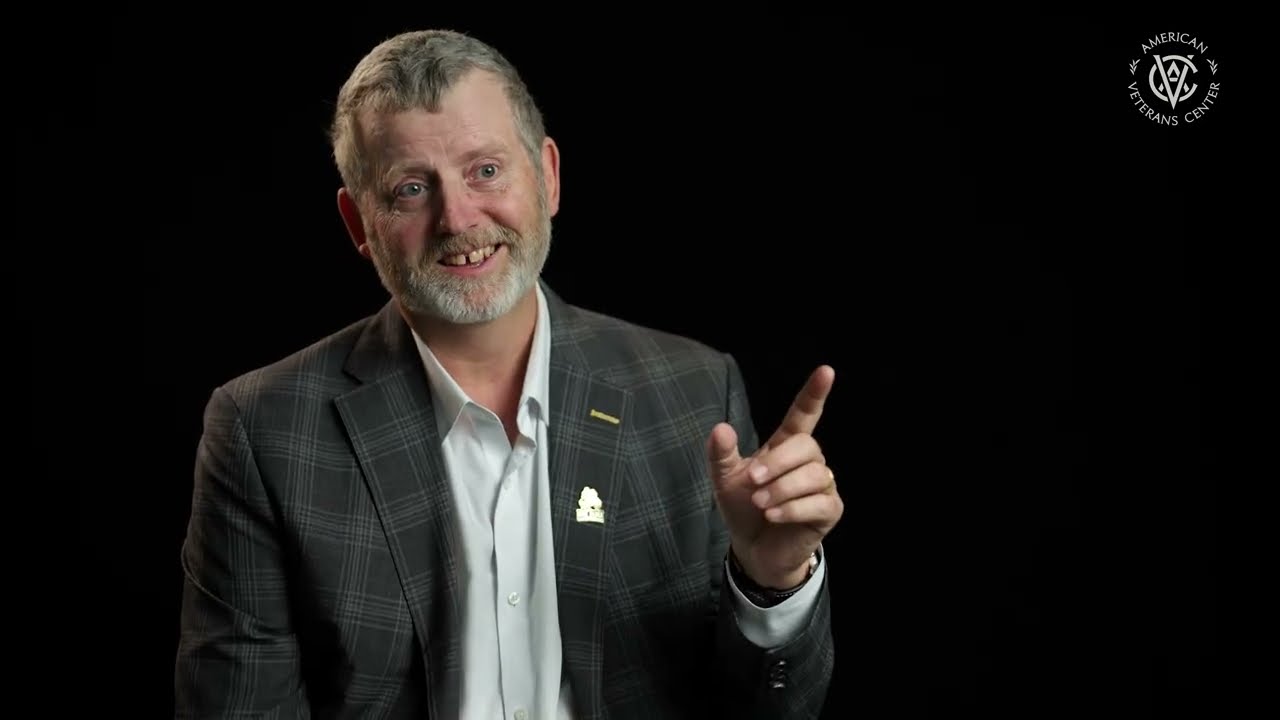 “Our force went from 300 fighters the first day on horseback to 3,000 fighters on horseback by day 10,” Nutsch recounted with pride. At the time of the uprising, nearly 5,000 fighters had pledged to rise up.
This unconventional approach, using speed, air power, and local buy-in, shattered the Taliban army of the north. “We are credited with destroying the Taliban army of the north… and we liberated hundreds of villages,” Nutsch stated.
Their team still proudly holds the record for employing over 300 air strikes in 21 days, a feat that made them the catalyst for resistance across the country. “We are considered the most successful unconventional warfare campaign in modern history,” he said, reflecting on the legacy of that November. The culmination was riding into Mazar-i-Sharif on November 10th, celebrating Veterans Day with their Afghan partners, and eating their first meal indoors.
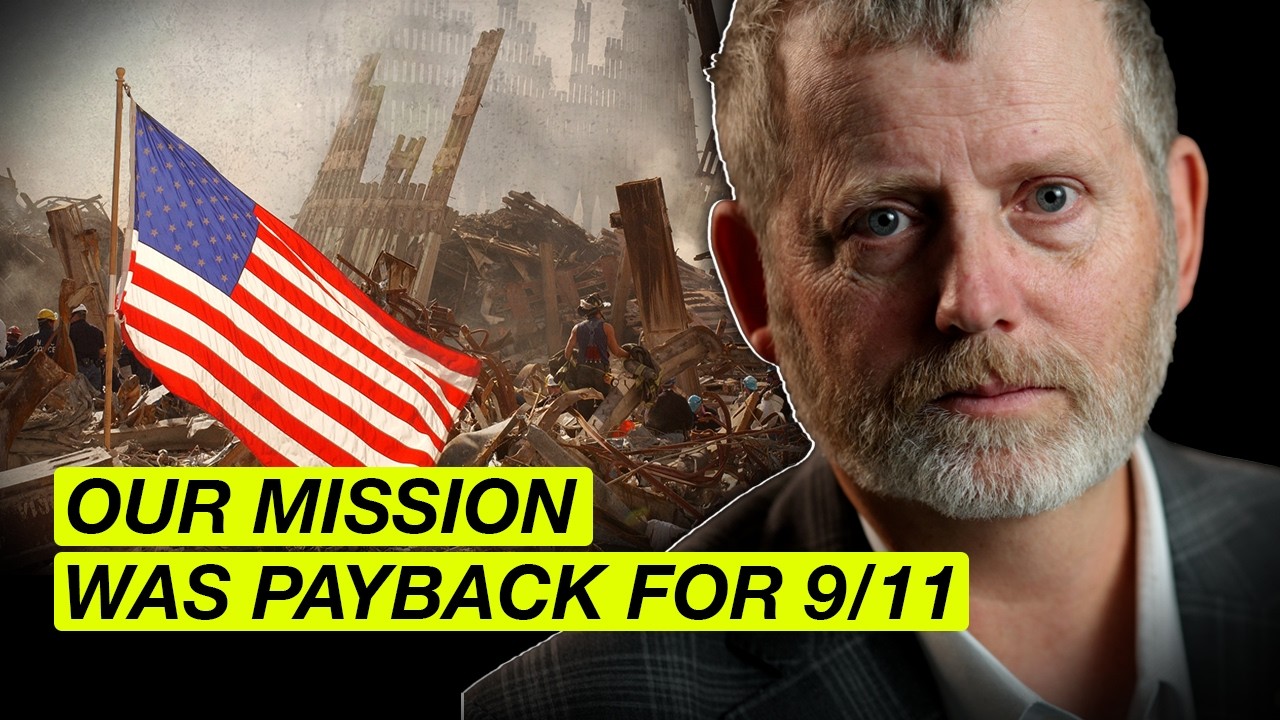
Now, on the cusp of the 25th anniversary of 9/11, Nutsch does not speak of payback, but of purpose. “America is worth defending,” he said, a message he wants to impart to future generations. He continues to serve in the 20th Special Forces Group, attempting to pass on those invaluable lessons learned to the next generation of warriors.
“I’m still ready to hold the horses at the end of the block,” he jokes, but his commitment is serious. Beyond his service, he and his team have channeled their efforts into the Horse Soldier Bourbon business, using the same tenacity and partnership skills to build a national brand. “The bourbon industry is unconventional warfare,” he laughed, noting they must work with distributors and retailers just as they did with tribal leaders.
The lessons of the Horse Soldiers resonate far beyond the battlefields of 2001, offering a template for modern conflict that values adaptability over brute force. As America reflects on two decades of war, Nutsch’s story is a potent reminder that the most powerful weapons are not always the most technologically advanced. Sometimes, they are the trust forged between a farmer from Kansas and a warrior from the Hindu Kush, riding together to defend the very idea of freedom.
His final message is a clarion call to the next generation: “We need talented young men and women that are willing to step up for the hard jobs… to put in the effort… to challenge themselves and go for whatever they’re passionate about in defense of our nation.”