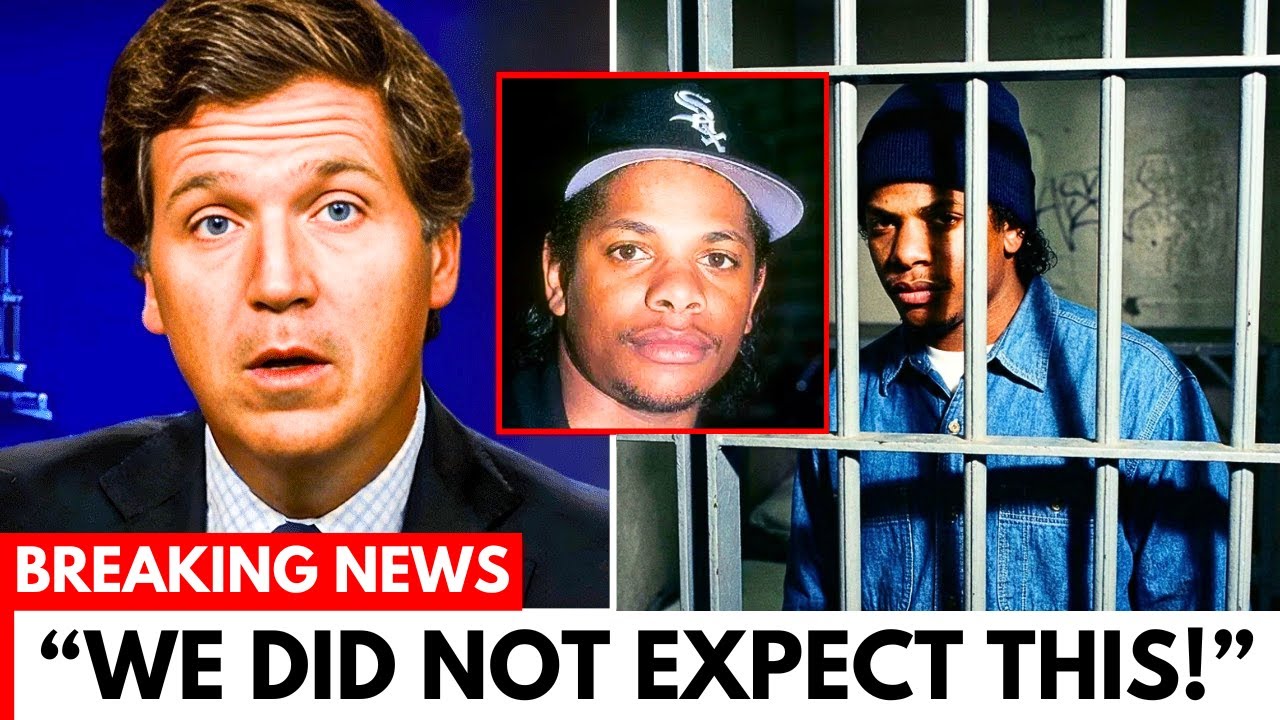
Rap icon Eazy-E died on March 26, 1995, just ten days after publicly revealing he had AIDS. The 31-year-old founder of Ruthless Records and former NWA member passed away in a Los Angeles hospital, but the official explanation for his rapid decline has never satisfied everyone. Born Eric Lynn Wright in Compton, Eazy-E built Ruthless Records in 1986 with Jerry Heller and turned NWA into one of the most influential forces in hip hop history. Songs like “Fight tha Power” and “Fuck tha Police” challenged racial injustice and made the group a cultural phenomenon.
But the same success that elevated him created deep fractures within the group, with Dr. Dre and Ice Cube leaving amid disputes with Heller. The resulting diss tracks, lawsuits, and public feuds turned former collaborators into enemies. By 1994, West Coast rap was dominated by intense rivalries.
Suge Knight, co-founder of Death Row Records, was rising quickly and had a reputation for violence. Rumors circulated that Knight wanted control of the scene and that Eazy-E stood in his way. Some former insiders claimed Knight had threatened Eazy-E in person, an encounter the rapper reportedly dismissed at the time. The official medical story began in early 1995.
On February 24, Eazy-E was rushed to Cedars-Sinai Medical Center with a severe cough he believed was asthma. Weeks later, he was diagnosed with AIDS. On March 16, his attorney Ron Sweeney read a public statement confirming the illness. Nine days later, Eazy-E was dead.
In his public statement, Eazy-E acknowledged responsibility for his condition, saying, “I had other women. Maybe success was too good to me. ” The tone was humble and apologetic, a stark contrast to the brash confidence fans knew. But his wife Tomika Woods Wright and their newborn son both tested negative for HIV, which raised immediate questions.
Doctors said it was an unusually fast-moving case, possibly contracted years earlier, but medical experts note AIDS typically progresses over years, not weeks. The speed of his collapse has fueled decades of conspiracy theories. The most persistent centers on an injection hypothesis, the belief that someone deliberately infected him with HIV-positive blood. This theory gained traction in 2003 when Suge Knight appeared on Jimmy Kimmel Live and joked about so-called “Eazy-E needles,” referencing taking blood from someone with AIDS and injecting it into another person.
The audience laughed, but many listeners took the comment seriously. The re-examination gained new momentum when Eazy-E’s family became involved. His daughter Ebie Wright and her mother Tracy Jernagin participated in a TV documentary series investigating the circumstances of his death. The series tracked down eyewitnesses, examined unseen footage, and tested conspiracy theories.
People who were present during his final days described a healthy man declining in a matter of weeks. Tracy Jernagin said simply that he was sick for three weeks, and that the speed and secrecy around his treatment suggested foul play. Testimonies from medical staff and former associates revealed alleged inconsistencies in hospital records and unusual security measures during Eazy-E’s final days. His manager Jerry Heller told Rolling Stone that Eazy-E’s so-called farewell letter did not sound like him at all, casting doubt on whether his final words were even authentic.
Ebie Wright has stated publicly that she does not believe her father’s death was natural and that she intends to prove it. She pointed to too many holes and too many unanswered questions. The official cause of death has never been changed. The coroner’s finding remains AIDS-related illness.
No evidence has been presented proving deliberate infection, and medical experts continue to argue the injection theory contradicts basic scientific understanding of how HIV affects the body, since symptoms rarely appear within days or weeks of exposure. Still, the contradictions in the timeline, the negative test results of his family, the public joke made by Suge Knight, and the lack of medical clarity have kept the questions alive. For Eazy-E’s family and many fans, the truth does not fit the paperwork. What remains certain is that Eazy-E was not just a musician.
He owned his masters, built one of hip hop’s most profitable independent labels, and refused to submit to corporate control. His independence threatened powerful people in a notoriously competitive industry. Whether his death was natural, the result of neglect, or something more deliberate, his family believes he never got justice.