Barbara Stanwyck was born Ruby Catherine Stevens on July 16th, 1907, in Brooklyn, New York, into circumstances far removed from the glamour she would later embody on screen. Her early life was shaped by profound loss and hardship. After the death of her mother when she was very young, and later the loss of her father, she was left to navigate a difficult world largely on her own. Instead of being broken by these experiences, she developed a toughness that would define her entire career.
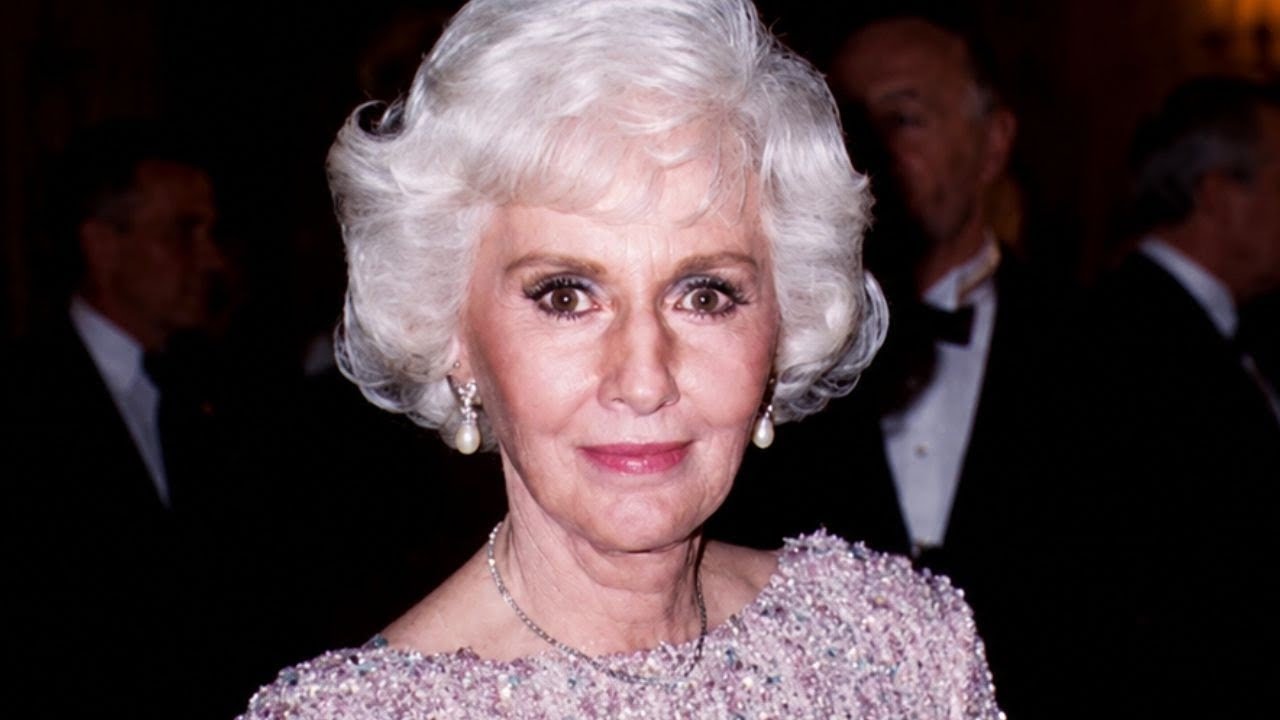
She learned to conceal vulnerability behind confidence and to keep moving forward even when life offered every reason to stop. That resilience carried her from the streets of Brooklyn into show business, where she became one of Hollywood’s most respected actresses, known for portraying characters who were powerful, complicated, independent, and impossible to intimidate. Many observers overlooked the fact that her screen image was not simply an act. In many ways, it reflected the woman she had already been forced to become.
Hollywood saw a star, audiences saw confidence, and producers saw reliability. Behind that public image, however, was a woman who guarded her private life intensely, understanding that fame grants access to one’s image but not necessarily to one’s heart. Her career grew enormous, spanning unforgettable films and later success on television. She earned four Academy Award nominations and built a reputation for professionalism that few could match.
Yet, the more famous she became, the more carefully she protected certain parts of herself. This is where the idea of her so-called double life comes into focus. It was not a sensational secret life but rather the contrast between Barbara Stanwyck, the powerful public figure, and Ruby Stevens, the deeply private woman who had learned early that survival sometimes means keeping feelings hidden. Her personal relationships were complicated.
She married twice, including her marriage to actor Robert Taylor, which became one of Hollywood’s most discussed romances. Behind the photographs and headlines, however, was a more complicated reality. Barbara was not someone who easily surrendered control of her life, having spent too many years depending on herself. This may explain why people sometimes misunderstood her.
A woman who refuses to be controlled can easily be called cold, and a woman who keeps her emotions private can be described as distant, but what looks like coldness is often simply self-protection. As decades passed, Hollywood changed around her. Younger stars arrived, styles shifted, and the studio system disappeared. Barbara continued working, reinventing herself instead of desperately clinging to the persona she had created decades earlier.
Her success on television proved she was not simply a relic of classic Hollywood but an actress capable of surviving every era. In her quieter later years, she stepped away from the spotlight. After spending much of her life under cameras, she valued privacy and did not seem desperate to remain famous simply for the sake of being seen. Barbara Stanwyck died on January 20th, 1990, at the age of 82, in Santa Monica, California.
Even after her death, the fascination with her life has never disappeared. When people look back at Barbara Stanwyck today, they often remember the fearless characters, the sharp voice, the unforgettable performances, and the woman who seemed impossible to break. But the more meaningful story may be the one underneath all of that. She was a child who experienced loss, a young woman who had to become strong, a performer who learned to command a room, and finally, an older woman who understood that not every part of a life needs to be performed for an audience.
That may be the real secret behind her so-called double life. Barbara Stanwyck spent decades convincing the world that she needed nobody. The simpler truth may be that she had learned very early that she could survive almost anything by relying on herself. Behind the Hollywood legend was not an untouchable star but a human being who knew loss, ambition, loneliness, love, and resilience.
She did not simply live two lives. She lived one extraordinary life while carefully choosing which parts of it the world was allowed to see.