When Friday hit theaters on April 28, 1995, no one expected it to become a cultural phenomenon. Directed by F. Gary Gray, who had never directed a feature film before, it was a low-budget gamble with just $3. 5 million behind it.
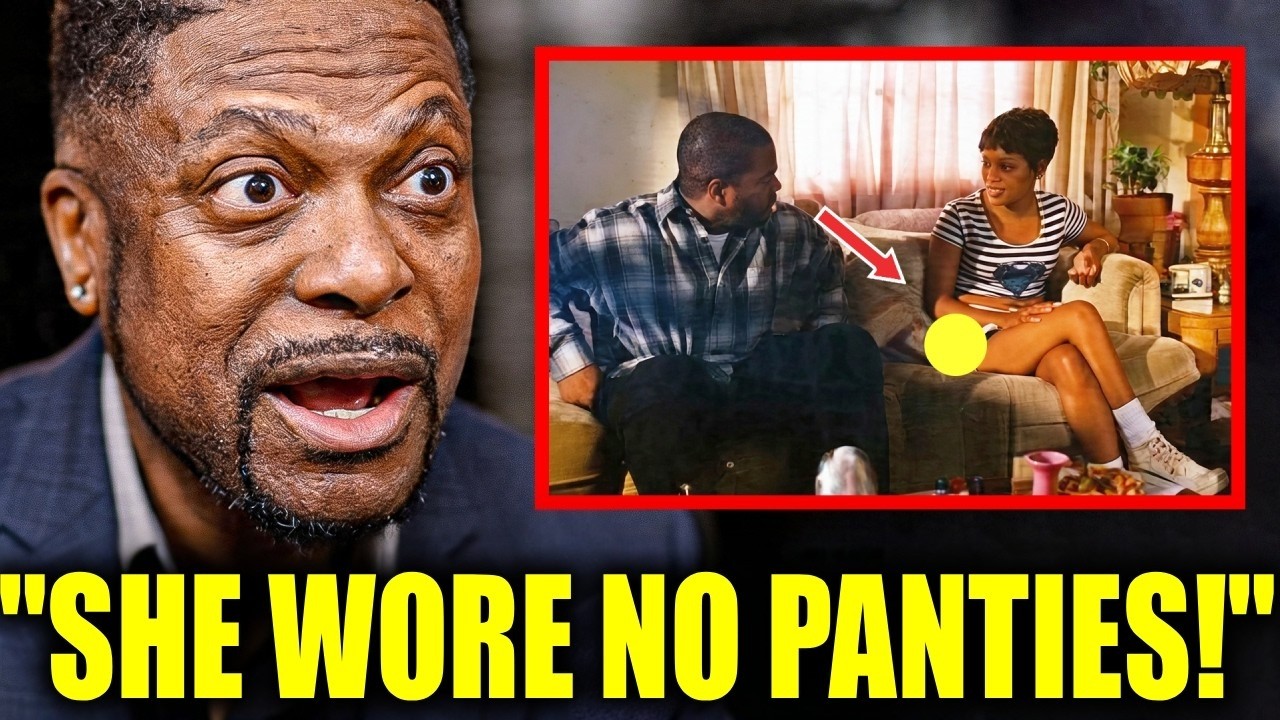
The film was backed by New Line Cinema and Ghetto Bird Productions, the latter owned by Ice Cube himself. It opened in only 865 theaters and went on to earn over $27 million domestically. Hollywood labeled it a sleeper hit, but that success wasn’t accidental. Before Friday, films set in the hood, like Boyz n the Hood and Menace II Society, focused almost entirely on violence and tragedy.
Ice Cube saw something missing: the humor, the everyday life, and the moments of laughter that also existed in those communities. So, along with his writing partner DJ Pooh, he set out to create a film that felt like a real Friday afternoon on the porch with friends. Much of what appears in Friday comes straight from real life. The story of Craig getting fired was inspired by Ice Cube’s cousin.
The character Smokey was based partly on DJ Pooh’s own experiences. These weren’t exaggerated Hollywood characters; they were reflections of real people, real conversations, and real neighborhoods. Even with a strong script, getting the movie made wasn’t easy. It was only Ice Cube’s third screenplay, and studios weren’t exactly lining up for a hood comedy in 1995.
At one point, they even considered filming it in black and white just to save money. The biggest turning point came during casting. Originally, DJ Pooh was supposed to play Smokey. But New Line Cinema refused.
They wanted someone with proven on-screen presence. Big names like Chris Rock and Tommy Davidson were considered. But Ice Cube had someone else in mind: a young, relatively unknown comedian he had seen performing on stage. That comedian was Chris Tucker.
At just 22 years old, Tucker had almost no film experience. His first audition didn’t impress anyone. In most cases, that would have been the end. But something unusual happened: he got a second chance.
With help from Angela Means, who played Felicia, Tucker refined his performance. Over a simple dinner, she helped him find the character. By the end of that night, Smokey wasn’t just a role; it was alive. Tucker landed the part for just $10,000.
The entire movie was shot in just 20 days. That’s incredibly fast; most films take months. Because of the tight budget, actors were often limited to just two takes per scene. No do-overs.
No perfectionism. And yet, that pressure created something special. Much of the dialogue, especially between Craig and Smokey, wasn’t even scripted. Around 35% of the film was improvised.
Some actors, like Faizon Love, who played Big Worm, barely used the script at all. Even iconic moments were created on the spot. The legendary reaction after Deebo hits Red was completely improvised by Tucker. The line “Bye, Felicia” was also improvised, and it later became a global meme.
Unlike most films, Friday wasn’t shot on a controlled studio lot. It was filmed in a real neighborhood in South Central Los Angeles, the same area where F. Gary Gray grew up. That authenticity came with real danger.
The area was known territory for the Crips gang, meaning the production had to enforce a strict rule: no red clothing allowed on set. Even a small mistake could have led to serious consequences. At times, locals refused to cooperate with filming. In one scene, two men sitting on a wall refused to move, and they ended up staying in the final cut.
Everything about the film was unpredictable. Even the car Smokey drove, a Ford Pinto, kept breaking down during filming. Instead of hiding it, the director kept it in, turning a production problem into comedy gold. When Friday was released, Chris Tucker became an overnight star.
His performance as Smokey was electric, unforgettable, and impossible to replicate. Naturally, fans expected him to return for the sequels, Next Friday and Friday After Next. But he didn’t. And for years, people believed they knew why.
The most common rumor was money, that Tucker demanded too much, or the studio refused to pay him fairly. But that wasn’t true. In reality, Ice Cube and the studio were willing to pay Tucker between $10 million and $12 million for Next Friday. That’s a massive jump from his original $10,000 paycheck.
And still, he said no. The real reason came down to a personal transformation. In 1997, Chris Tucker became a born-again Christian. That decision changed everything, including how he viewed his role as Smokey.
The character’s behavior, the language, the lifestyle, and the habits no longer aligned with Tucker’s beliefs. He didn’t want to promote those things, especially knowing how influential the character had become. Even when the writers tried to adjust the story, explaining Smokey’s absence as him being in rehab, Tucker still declined. For him, it wasn’t about money.
It was about conviction. Turning down $10 to $12 million isn’t something most people would do. But Tucker walked away, not just once, but multiple times. Yet, his career didn’t suffer.
He went on to star in The Fifth Element and later teamed up with Jackie Chan for Rush Hour, a global hit that spawned multiple sequels. By the time Rush Hour 3 was released, Tucker was earning $25 million per film, more than double what he turned down for Friday. While he left money on the table, he gained control over his career and alignment with his personal values. Today, Friday is more than just a movie; it’s a cultural landmark.
Its quotes, characters, and moments have lived on for decades. And Chris Tucker’s Smokey remains one of the most iconic comedy performances of all time. There have been talks of a final installment, often referred to as Last Friday. But according to reports, Tucker has once again declined for the same reasons he did years ago.
After all this time, his stance hasn’t changed.