A 2011 announcement brimming with intrigue promised the discovery of a “gay caveman” near Prague. The 5,000-year-old skeleton, initially identified as male, had been buried on its left side facing east—a position traditionally reserved for females in that Copper Age culture. Male burials typically lay on the right side facing west, and the grave lacked the usual male grave goods. Headlines around the world quickly settled the matter.
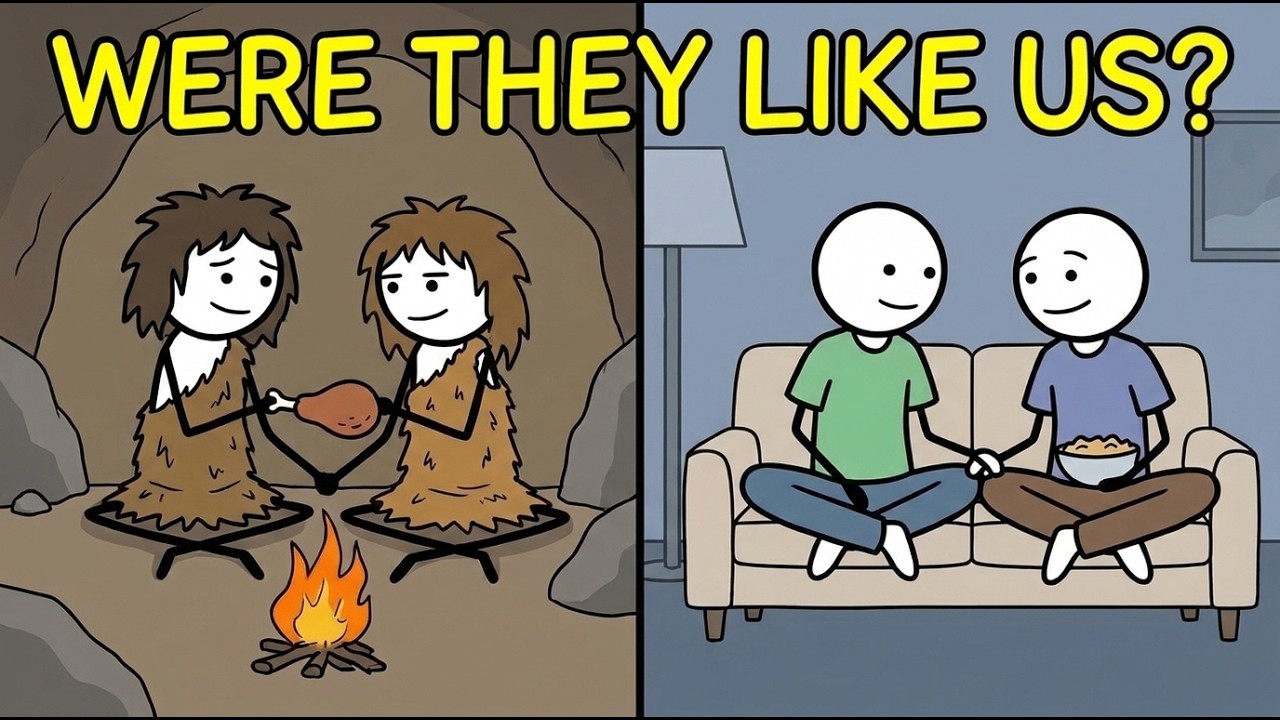
But the archaeologists involved were far more cautious, suggesting the burial might represent someone with a different social gender or an unusual ritual identity. Even that was tentative, a single skeleton being unreliable evidence for lifelong sexuality. This fascination with finding the “first” homosexual person misses a crucial point. Desire does not fossilize.
Bones can reveal diet, ancestry, and disease, but no skeleton can ever tell us whom its owner wanted to kiss. The evidence for same-sex attraction in the deep past is, therefore, frustratingly silent. It is a near-certainty that ancient humans were homosexual. Same-sex sexual behavior is documented in hundreds of mammal species, including over 50 primate species.
If the biological and developmental processes that produce same-sex attraction operated in written societies and appear across the animal kingdom, there is no credible reason to imagine they switched on only with the invention of writing. The problem for archaeology is preservation. Private relationships rarely leave material traces. Two men caring for each other could look exactly like brothers or hunting partners.
A shared burial proves only proximity, not romance, and prehistoric art is notoriously difficult to read. The honest verdict for deep prehistory is precise: same-sex attraction almost certainly existed, but no known Paleolithic individual can be securely identified as homosexual. The picture becomes clearer with the arrival of writing. In ancient Mesopotamia, cuneiform texts reference same-sex acts, gender-nonconforming religious personnel, and omens involving sex between men.
The evidence spans languages, cities, and centuries, revealing not one permanent opinion, but a recognition of the possibility. Some texts treat a male same-sex encounter as ordinary; others focus on gendered presentation that did not fit standard male and female roles. Laws and omens do not regulate behaviors no one can imagine, making them excellent evidence that these behaviors were conceivable. Ancient Egypt offers a more intimate mystery.
Around 2400 B. C. E. , two royal manicurists named Nyankh-khnum and Khnum-hotep were buried together at Saqqara.
Their shared tomb shows them embracing, holding hands, and touching noses in an intimate pose more commonly used for married couples. Modern viewers have called them history’s first gay couple. They may also have been brothers, perhaps even twins, and both men had families. The tomb gives us intimacy without a confession.
Egyptian mythology also shows a complex view. In one story, the god Seth attempts to sexually dominate his nephew Horus, but the encounter is about humiliation and power, not loving same-sex partnership. The meaning depended on who penetrated whom and what it did to masculine status. Ancient Greece is often described as a society that accepted homosexuality—a statement that is both partly true and misleading.
Erotic relationships between older men and adolescent males were openly recognized, depicted in pottery, and celebrated in poetry. Plato built philosophical arguments around love between men. This relationship pattern, known as pederasty, was defined by age, citizenship, and social role. The older partner was the pursuer and dominant; the younger partner’s respectability depended on restraint and eventually growing out of the receptive role.
Greek society did not divide everyone into heterosexual and homosexual camps. It divided acts into complicated hierarchies and judged everyone by whether they behaved in a role appropriate to their age and rank. Women appear less clearly, but around 600 B. C.
E. , Sappho of Lesbos wrote poetry of intense desire directed toward women, leaving a name that would eventually define a sexual orientation. Rome inherited Greek traditions and turned them into an even more explicit system of power. For a freeborn Roman man, masculinity depended less on the sex of his partner than on whether he remained dominant.
Being penetrated could threaten a citizen’s reputation. The emperor Hadrian’s grief over the drowning of his young favorite Antinous was so profound that he deified him, founded a city in his honor, and supported his worship across the empire. Beyond the Mediterranean, the pattern continues. In ancient China, the story of Emperor Ai cutting his sleeve rather than waking his sleeping male lover became a literary expression for love between men.
In India, the Kama Sutra describes a “third nature” and discusses sexual acts between men. These stories concern elite men and unequal power, and they all existed alongside marriages intended to produce heirs. This evidence destroys two convenient myths. The first claims homosexuality is modern or invented; ancient evidence makes that impossible.
The second claims the ancient world universally celebrated sexual freedom; that is also false. Acceptance of an act is not equality between the people performing it. Ancient systems were shaped by patriarchy, slavery, and age inequality. The greatest difference between ancient and modern sexuality is not desire, but classification.
The words “homosexual” and “heterosexual” emerged only in the 19th century. Ancient languages had insults, poetic terms, and role descriptions, but generally did not organize every person around a permanent orientation. A Chinese official could have a male favorite and still be expected to produce sons. A Roman could be condemned not for desiring a man, but for taking the supposedly wrong role.
The search for the first homosexual person is therefore doomed. There was no “first one” in recorded history—only the first who left evidence we can still recognize. The capacity for same-sex attraction is older than its modern name. It appears across ancient civilizations and likely reaches deep into prehistory.
What changed was not the existence of desire, but how society sorted it by age, status, gender, and power. The earliest humans needed no word for homosexuality to experience it; they needed only the same complicated brain and the same capacity for attachment that humans have always possessed.