The connection between Elvis Presley and Ann-Margret began in 1963 on an almost empty Hollywood sound stage, when MGM cast her opposite him in Viva Las Vegas. The producers needed a leading lady who could match Elvis’s charisma, and when they met, both said at the same moment that they had heard a lot about each other. They burst out laughing, and the awkwardness vanished. Before filming even started, they recorded songs together at Radio Recorders Studio.
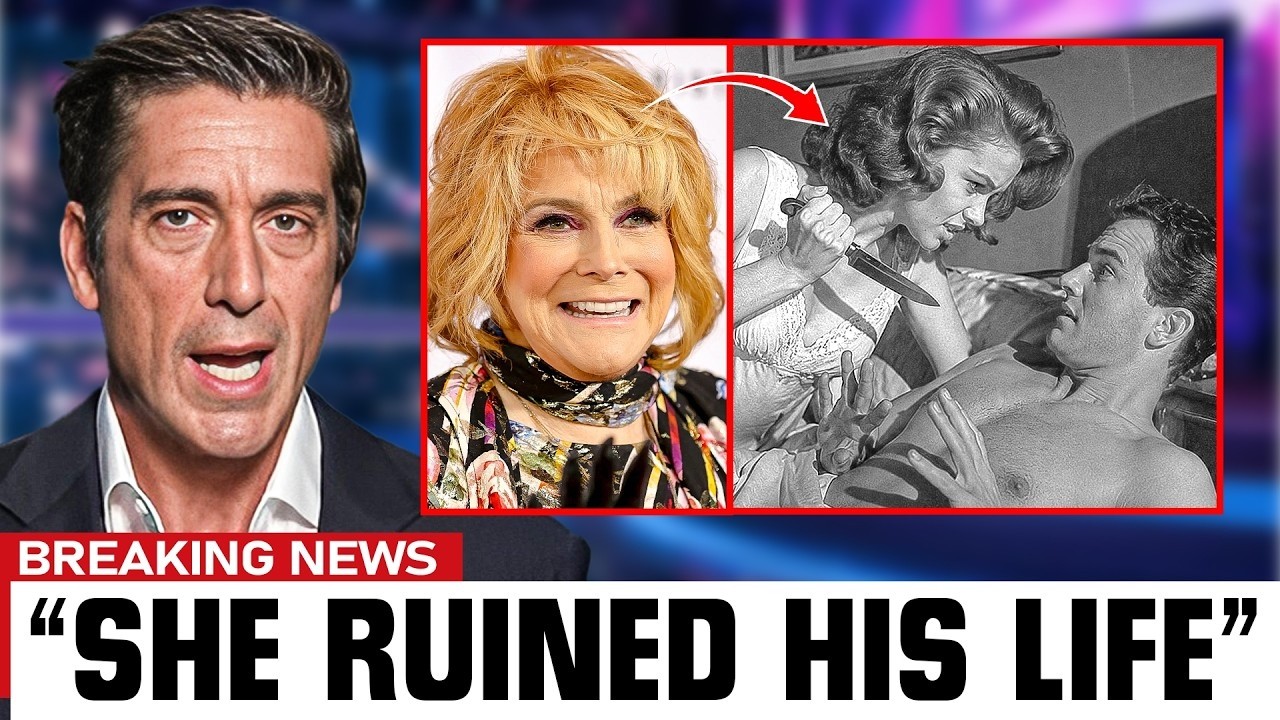
When cameras rolled in Las Vegas, crew members noticed the two holding hands between takes, disappearing together during breaks, and laughing constantly around one another. Ann-Margret later said music became the thing that truly bonded them, and their dance sequences carried real emotion because the connection already existed off camera. Behind the scenes, there was growing professional tension. Rumors spread that director George Sidney was giving Ann-Margret too much attention, and reports claimed theaters began placing her name above Elvis’s on some promotional materials.
That reportedly became a problem for Elvis’s manager, Colonel Tom Parker, who insisted Elvis remain the clear center of attention. Stories later claimed Parker even pushed to remove musical duets from the film to protect Elvis’s spotlight. Despite the friction, their relationship deepened. Both loved motorcycles, valued privacy despite their fame, and cared deeply about family and faith.
Elvis’s inner circle, later known as the Memphis Mafia, usually kept outsiders at a distance, but Ann-Margret fit in naturally and treated everyone warmly. Away from the cameras, Elvis would drive with her into the hills overlooking Los Angeles, where they would sit beneath the stars for hours and he would drop the superstar image completely. There was one complication hanging over the romance: Priscilla Presley was still waiting for Elvis back at Graceland. According to people close to them, Elvis and Ann-Margret genuinely fell deeply in love, but both understood the situation could not fully last.
The romance continued for over a year after filming ended, with friends claiming Ann-Margret quietly visited Elvis at his California home late at night and the two exchanged private nicknames. The love story reached its ending in 1967. On May 1st, Elvis married Priscilla Presley in Las Vegas. One week later, Ann-Margret married actor Roger Smith in the same city.
Yet the bond never disappeared. Throughout the 1970s, they attended each other’s shows in Las Vegas and remained close friends for the rest of Elvis’s life. Privately, both struggled. Elvis slipped further into prescription drug dependency, while Ann-Margret battled alcoholism.
She later admitted entire periods of her life became a blur. She eventually overcame those struggles, but Elvis never escaped his. By 1977, rumors about Elvis’s declining health had become impossible to ignore. When Ann-Margret asked his close friend Joe Esposito how Elvis was doing, she sensed the truth was far worse than anyone admitted.
The night before August 16th, 1977, Ann-Margret opened a show in Las Vegas. For years, Elvis had always sent flowers or telegrams before her performances. This time, nothing arrived. The silence unsettled her immediately.
The next morning, the phone rang with devastating news: Elvis Presley was dead. Despite warnings to stay away because of the chaos surrounding Graceland, Ann-Margret went anyway. She shared an emotional moment with Elvis’s father, Vernon Presley. Neither could fully express what they were feeling, so they simply held each other and cried.
Vernon quietly told her how proud Elvis had always been of her. Only months later, Ann-Margret hosted NBC’s tribute special honoring Elvis. She later admitted it became one of the hardest experiences she had ever endured. It was not just another television appearance; it was saying goodbye to a man she had once loved deeply, someone she believed very few people ever truly understood.
Ann-Margret’s story began far from Hollywood. She was born on April 28th, 1941, in a tiny village in northern Sweden near the Arctic Circle. Her father, Gustav, had once lived in America and dreamed of returning. He left Sweden alone to build a future in the United States, and when Ann-Margret was six, her mother brought her to Chicago to reunite the family.
She barely spoke English and suddenly found herself surrounded by strangers, but instead of retreating, she studied constantly and was soon winning spelling bees. As a child, she discovered a natural talent for dance and performance. Her mother worked tirelessly, sewing costumes by hand so her daughter could chase her dreams. After her father suffered a devastating workplace injury that left him unable to work, her mother took a job at a funeral parlor to keep the family afloat.
Ann-Margret escaped into music, dancing, and performing. Her first opportunities came through radio, where audiences could not see her famous beauty. She appeared on amateur programs and local shows, then joined a singing group called the Satin Tones and performed in Las Vegas at the Dunes Hotel alongside stars like Tony Bennett. Legendary comedian George Burns saw her perform and immediately recognized something special, later saying audiences were captivated before she even sang a note.
By 1961, her career exploded. RCA Victor signed her to a record deal, and her debut album earned a Grammy nomination. At the same time, 20th Century Fox offered her a major contract. Her breakout moment came with Bye Bye Birdie, where the camera loved her even though she was not supposed to be the main attraction.
Critics noticed immediately, and audiences could not stop talking about the fiery redhead with unstoppable energy. Decades later, Ann-Margret’s own words added more mystery to what really happened with Elvis. Their story has remained unforgettable not because it was built on fame or scandal, but because it was about two people who connected at exactly the right moment in each other’s lives.
Two stars who understood the loneliness behind celebrity better than almost anyone else around them.