11 August 2026
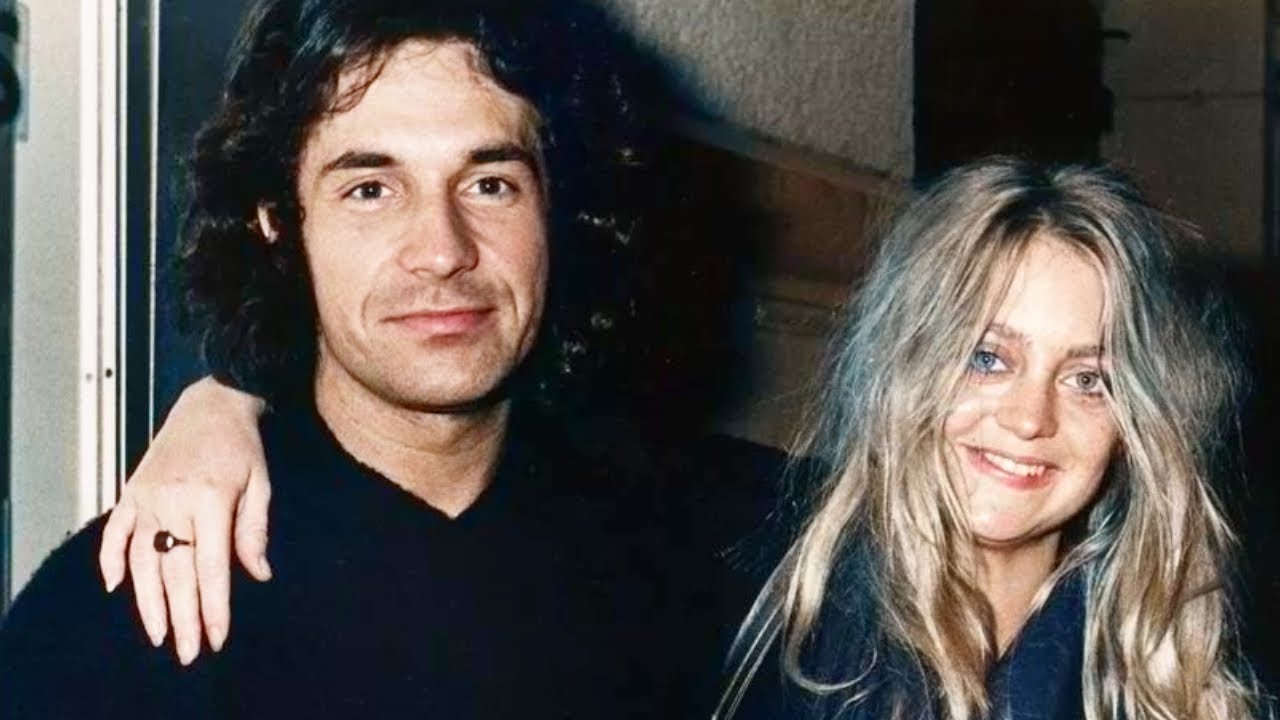
The marriage of Goldie Hawn and Bill Hudson, a union that once epitomized Hollywood glamour, disintegrated not from a single catastrophic event, but from a slow, corrosive leak of ambition, ego, and a fundamental disagreement over the very definition of commitment. Behind the closed doors of their seemingly perfect life, a single, explosive request from Hawn became the catalyst for the final collapse. According to Hudson, the actress, at the height of her fame, proposed an open marriage, a suggestion that he claims shattered the foundation of their vows and ultimately led him to walk away. This revelation, long whispered in tabloid circles, has now been thrust back into the spotlight, painting a starkly different picture of the woman America knew as its bubbly sweetheart. The story begins not with the divorce, but with the collision of two rising stars. Bill Hudson was the frontman of the Hudson Brothers, a pop-rock group enjoying a brief but bright moment in the 1970s sun. He had movie-star looks and a charisma that landed him a variety show and a spot in the public eye. Goldie Hawn was already a supernova. Fresh off her Academy Award win for Cactus Flower, she was the nation’s golden girl, a comedic force whose giggle masked a sharp, calculating intelligence. When they met on a commercial flight in the summer of 1975, the chemistry was immediate and electric. It was a whirlwind romance that felt scripted for the silver screen. By New Year’s Eve, Hawn had filed for divorce from her first husband, Gus Trikonis, and was engaged to Hudson. They married in July 1976, just one month after her previous divorce was finalized. On paper, they had everything. Fame, fortune, and the promise of a beautiful family. They had two children, Oliver and Kate Hudson, who would go on to become stars in their own right. But the fairy tale was a fragile construct. Hudson later recalled that the first crack appeared almost immediately. He claimed that right after the wedding ceremony, Hawn leaned over and whispered a chilling question. Are you sure we did the right thing? For Hudson, that single moment planted a seed of doubt that would grow into a forest of resentment. He felt like the luckiest man alive, but his bride seemed already to be questioning the very institution they had just entered. The pressure of Hawn’s skyrocketing career became the central tension in their home. While she was winning Oscars, starring in blockbusters like Shampoo and Foul Play, and becoming one of the most bankable actresses in Hollywood, Hudson was struggling to find his footing. He was a musician in an era of changing tastes, and his wife’s shadow was long and inescapable. He has since described feeling like a footnote in his own marriage, a supporting character in the Goldie Hawn show. The imbalance was not just professional; it was deeply personal. Hudson wanted a traditional family structure, a wife who was present and a partnership built on mutual support. Hawn, according to him, craved liberation, both romantically and professionally. It was in this volatile environment that Hawn allegedly made her bold proposal. Hudson has stated that she suggested an open marriage, a concept he was deeply uncomfortable with. He claims he reluctantly tried to accept the arrangement, but it quickly became clear that the freedom was one-sided. He accused her of infidelity, painting a picture of a woman who wanted the security of a husband but the excitement of a single life. Her commitment to the marriage, he alleged, was shallow at best. He even claimed that Hawn’s own father had warned him before the wedding, saying she needed a different man for each of her moods. It was a devastating indictment from a man who felt consumed by love but betrayed by the object of his affection. The divorce was finalized in 1982, a bitter end to a union that had lasted barely six years. Hudson was left not only with a broken heart but with a public narrative that painted him as the jealous, insecure husband who couldn’t handle his wife’s success. He has spent decades trying to reclaim his side of the story, insisting that the real reason for the split was not his ego, but her infidelity and her desire for a non-traditional arrangement. He has described Hawn’s character flaws as devastating, and his memoir, Two Versions, is a testament to his belief that he was the victim of a carefully crafted Hollywood narrative. Hawn, for her part, has rarely addressed the specifics of the open marriage claim. She has instead framed the failure of her early marriages as a consequence of her own success. She has stated that the men she loved could not cope with the pressure of having a wife who was more successful than they were. It is a convenient, self-protective narrative, one that places the blame on the fragile male ego rather than on her own choices. She has described her marriage to Hudson as a learning experience, a stepping stone to the relationship she would eventually build with Kurt Russell. The contrast between her marriage to Hudson and her decades-long partnership with Russell is striking. Hawn and Russell met on the set of Swing Shift in 1982, the same year her divorce from Hudson was finalized. They never married, a decision Hawn has defended as a conscious choice. She has said that marriage, for her, became a business deal, a contract that inevitably ends with someone owing someone money. She has argued that love should be about choice, not contract. This philosophy, while liberating for her, was the very thing that destroyed her marriage to Hudson. He wanted the contract; she wanted the freedom. The fallout from the divorce extended far beyond the couple themselves. The most painful chapter for Hudson has been his estrangement from his children, Oliver and Kate. They were raised primarily by Hawn and Russell, who they affectionately call Pa.…